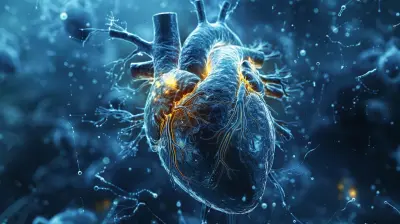
The Connection Between Sleep and Immune System Function
29 December 2025
Let’s talk about sleep. Not just the “I need my eight hours” kind of sleep, but the deep, restorative slumber that leaves you feeling like you can conquer the world the next morning. It’s no secret that sleep makes you feel better. But did you know that it's also your immune system’s best friend?
Seriously, your body does some pretty magical things when you’re asleep — and one of the most important is boosting your immune defenses. In this article, we’ll break down how getting quality zzz’s keeps your immune system strong, helps you fight off colds, and even supports vaccine effectiveness (yep, it’s that powerful).
So grab your favorite blanket, snuggle in, and let’s dive into the amazing connection between sleep and immune system function.
Why Sleep Matters More Than You Think
We get it, life’s busy. Between work, family, social life, and binge-watching your favorite shows, sleep often takes a backseat. But here's the thing — sleep isn’t just a luxury. It’s a non-negotiable body function.Your body uses sleep like a nightly tune-up. While you’re catching those zzz’s, your brain consolidates memories, your muscles repair themselves, and—most importantly for today’s topic—your immune system powers up.
When you skimp on sleep, you're not just waking up grumpy. You're actually weakening your ability to ward off illnesses. So, if you’re constantly catching colds or just feeling “off,” poor sleep might be the culprit.
How the Immune System Works (In Plain English)
Before we get too deep into how sleep ties into it all, let’s quickly chat about what the immune system does. Think of it as your body’s very own security team. It’s always on watch, protecting you from viruses, bacteria, and other invaders.It has two major players:
1. Innate Immune System – This is your body’s first line of defense. It's fast and responds to all threats the same way. Think of it like a security guard with a flashlight.
2. Adaptive Immune System – This part is smarter. It "remembers" past invaders so it can fight them off more effectively next time. Like a high-tech facial recognition system.
For this team to work properly, they need rest – and that’s where sleep comes in.
What Happens To Your Immune System While You Sleep?
Contrary to what you might think, your body doesn’t shut down when you sleep. Nope! Many of your systems go into superhero mode – including your immune system.So, what’s going on behind the scenes?
1. Cytokine Production Increases
Cytokines are proteins that act like messengers between immune cells. Some of them help promote sleep, while others jump into action during infections or stress. When you're snoozing, your body produces more of these immune-boosting molecules. Miss out on sleep? You also miss out on these essential defenders.2. T-Cells Get a Boost
T-cells are a type of white blood cell that help destroy infected cells. During deep sleep (also called slow-wave sleep), these T-cells perform better — they’re more “sticky” and can attach to infected cells more efficiently. Think of it like giving your immune cells a caffeine boost. Without proper sleep? They’re sluggish and less effective.3. Inflammation is Regulated
Inflammation is part of your body’s natural immune response. But when it’s constantly high (which happens with chronic poor sleep), it can actually make you more prone to illness. Quality sleep helps regulate and reduce unnecessary inflammation, keeping your immune system in balance.
How Poor Sleep Wrecks Your Immune System
Now that you know the good stuff that happens with enough sleep, let’s take a quick look at the flip side — what happens when you're sleep-deprived.1. Increased Risk of Getting Sick
Ever noticed how you're more likely to catch a cold after pulling an all-nighter? That’s not coincidence. Studies have shown that people who sleep less than six hours a night are more than four times as likely to catch a cold compared to those who clock seven hours or more.2. Weaker Vaccine Response
Vaccines work by training your immune system to recognize and fight specific pathogens. But here’s the kicker: without proper sleep, your body doesn't respond as well to this training. In fact, people who are sleep-deprived produce fewer antibodies after receiving a vaccine. That means your body is less prepared to fight off the real deal if it shows up.3. Higher Inflammation Levels
As we mentioned earlier, chronic lack of sleep leads to persistent inflammation. This can contribute to a whole bunch of issues, from autoimmune conditions to heart disease. Yikes.Sleep Stages and Immune Health: Why Deep Sleep Wins
You’ve probably heard of the different sleep stages — light sleep, deep sleep, and REM sleep. All of them have roles to play, but deep sleep is where the immune magic happens.During deep sleep:
- Growth hormone is released, which helps repair tissues.
- The body’s energy is redirected to immune function.
- T-cells become more active.
- Inflammatory responses are reduced.
So, when your head hits the pillow, you don’t just float off into dreamland — your body gets to work doing some serious behind-the-scenes healing.
Chronic Sleep Loss: The Silent Immune Killer
One bad night? Not a huge deal. We’ve all been there. But when sleep deprivation becomes a regular thing, that’s when your immune system takes a nosedive.Here’s what chronic sleep loss can cause:
- Frequent infections- Slower recovery from illness
- Increased risk of autoimmune disorders
- Impaired wound healing
- Chronic fatigue and brain fog
Long-term sleep deprivation is like trying to drive a car on an empty gas tank. Eventually, things start breaking down.
Sleep and Stress: A Vicious Cycle
Poor sleep increases stress. And guess what? Stress messes with your immune system, too. Cortisol, the stress hormone, suppresses immune function when it's elevated for too long. So, if you're anxious and not sleeping, your immune system is basically fighting a war on two fronts.It’s a cycle: less sleep = more stress = weaker immunity = more sick days. And repeat.
Breaking that cycle starts with one small change: improving sleep hygiene.
How to Sleep Better and Boost Your Immune System
Alright, so we’ve established that sleep plays a huge role in immune health. But what if you’re struggling to get good sleep? Don’t worry. There are plenty of simple things you can do to support better rest — and in turn, a stronger immune system.1. Stick to a Sleep Schedule
Go to bed and wake up at the same time every day (yes, even on weekends). This trains your body to follow a natural rhythm.2. Create a Wind-Down Routine
Take 30–60 minutes before bed to relax. That means no screens, no intense workouts, and no stressful emails. Read a book, take a warm shower, or try gentle stretching.3. Cut Back on Caffeine and Alcohol
Both can mess with your sleep quality. Try to skip that late-afternoon coffee and limit alcohol, especially close to bedtime.4. Keep Your Bedroom Cool, Quiet, and Dark
Your environment matters. Make your bedroom a sleep sanctuary. Blackout curtains, white noise, and a cool temperature can all help.5. Avoid Late-Night Snacking
Eating heavy meals late at night can interfere with sleep. Try finishing dinner at least two hours before bed.6. Stay Active During the Day
Regular physical activity helps you fall asleep faster and get deeper sleep. Just avoid working out too close to bedtime.Sleep Isn’t Lazy—It’s Smart Self-Care
Let’s be real: we live in a culture that glorifies hustle and sacrifices rest. But here’s your permission to treat sleep as essential, not optional. Getting enough rest isn’t slacking — it’s smart, science-backed self-care. And trust me, your immune system will thank you.Think of sleep as the MVP of your health team. Without it, all the other players—nutrition, exercise, even mental health—have to work overtime. But with high-quality sleep in your corner? You give your body the winning edge.
So tonight, skip that one extra episode. Tuck in a little earlier.
Because while you snooze, your immune system is hard at work keeping you safe… one good night at a time.
Final Thoughts
There’s a clear and powerful link between sleep and immune system function. Prioritizing rest isn't just about feeling refreshed — it’s about strengthening your body’s natural defenses against illness. In a world full of germs, viruses, and stress, getting enough high-quality sleep is one of the most effective (and enjoyable) ways to stay healthy.So let’s make sleep a priority, not an afterthought. For your immunity, your mood, and your quality of life — it matters more than you might think.
all images in this post were generated using AI tools
Category:
Sleep HealthAuthor:

Tiffany Foster
Discussion
rate this article
2 comments
Matilda Banks
Great insights! Prioritizing sleep is essential for boosting our immune system and overall health. Keep it up!
February 9, 2026 at 4:27 AM
Tiffany Foster
Thank you! I'm glad you found the insights helpful. Sleep truly is vital for our immune health!
Lulu Hamilton
Great article! It’s amazing how vital sleep is for our immune system. Prioritizing good sleep can truly make a difference in our overall health. Time for some quality zzz's!
December 31, 2025 at 6:00 AM
Tiffany Foster
Thank you! I'm glad you enjoyed the article. Absolutely, prioritizing sleep is essential for our immune health!