The Connection Between Organic Foods and Mental Wellbeing
13 May 2026
Have you ever noticed how your mood shifts after eating a fresh, wholesome meal compared to processed junk food? It's not just in your head—your diet plays a significant role in your mental health. While organic food is often praised for its physical health benefits, its impact on mental well-being is equally profound.
In today's world, where stress levels are soaring, and anxiety is almost a daily struggle, what if the key to better mental health was as simple as changing what you eat? Let's dive into the fascinating connection between organic foods and mental well-being.
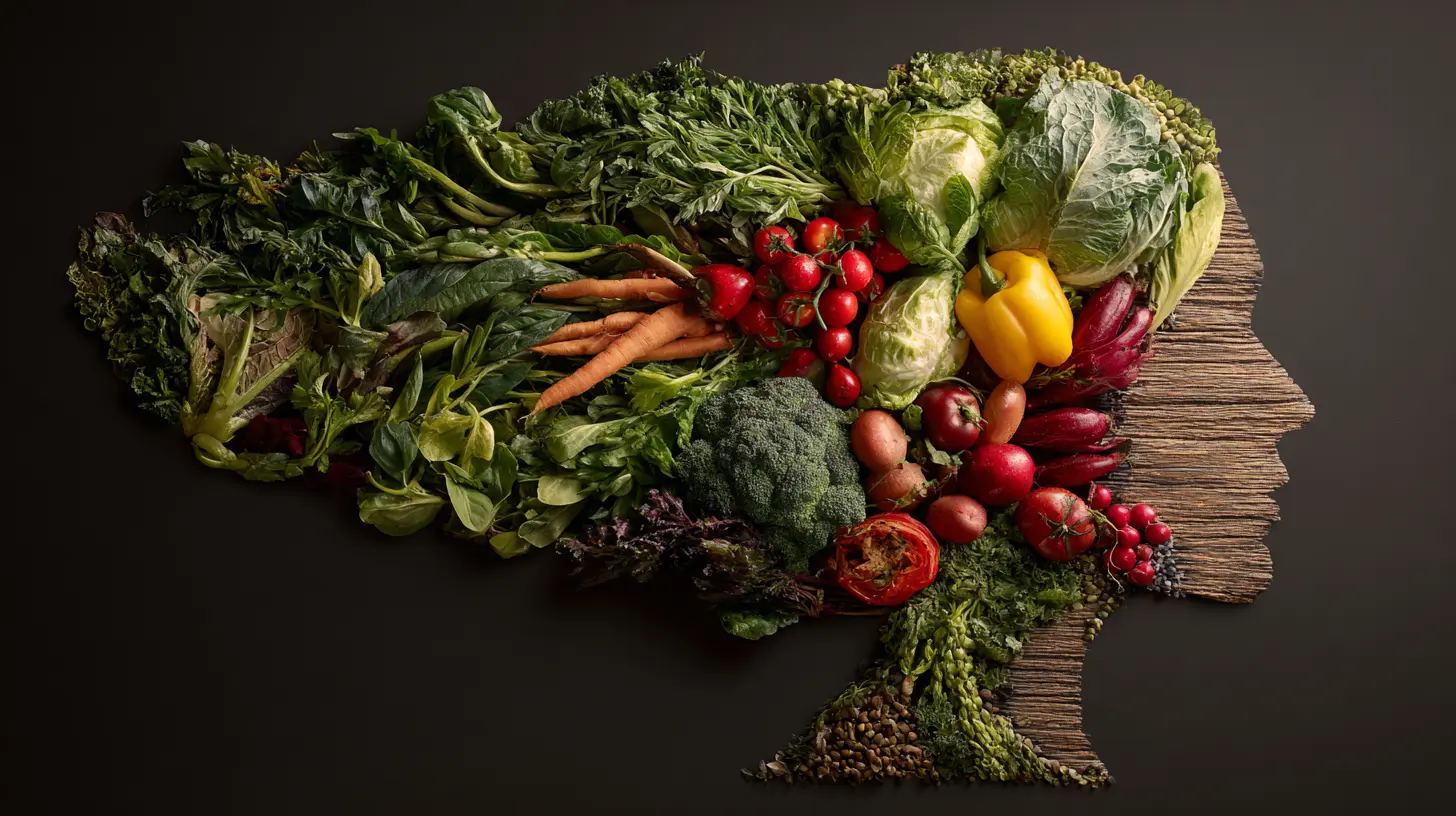
What Are Organic Foods?
Before we get into the nitty-gritty of how organic foods affect your mental health, let's first clarify what organic food actually means.Organic foods are grown without synthetic pesticides, herbicides, fertilizers, or genetically modified organisms (GMOs). For animal products, organic means they’re raised without antibiotics, hormones, or artificial feed. In simpler terms, organic foods are as close to nature as possible—free from harmful chemicals and processed additives.
Now, you might be wondering—how does this relate to mental well-being?
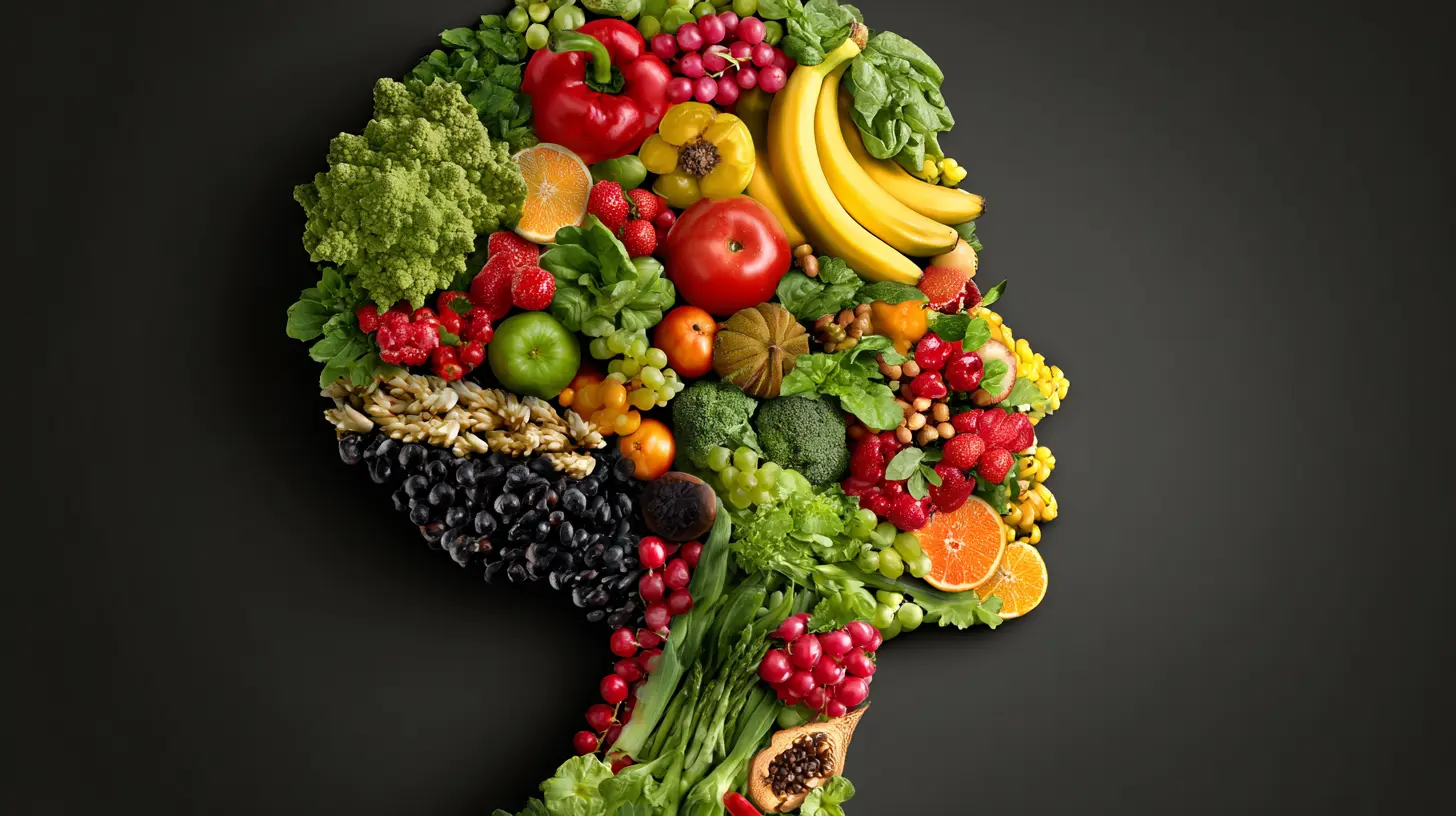
The Gut-Brain Connection: A Major Player
Did you know your gut is often referred to as your "second brain"? That’s because your gut and brain are in constant communication through the gut-brain axis. A healthy gut can translate to a healthy mind, and this is where organic food can make a big difference.1. Fewer Toxins, Better Brain Function
Many non-organic foods contain harmful pesticides and chemicals that may interfere with your brain’s ability to function optimally. Some pesticides have been linked to neurological disorders, mood swings, and even depression. By choosing organic, you reduce your exposure to these harmful substances, giving your brain a cleaner slate to perform at its best.2. Balanced Gut Microbiome = Balanced Mood
Your gut houses trillions of bacteria, both good and bad. When the balance is off—often due to processed and chemical-laden foods—your mental health can take a hit. Organic foods, especially fruits, vegetables, and probiotic-rich options like organic yogurt, support a healthy gut microbiome. And when your gut is happy, chances are, so is your mind.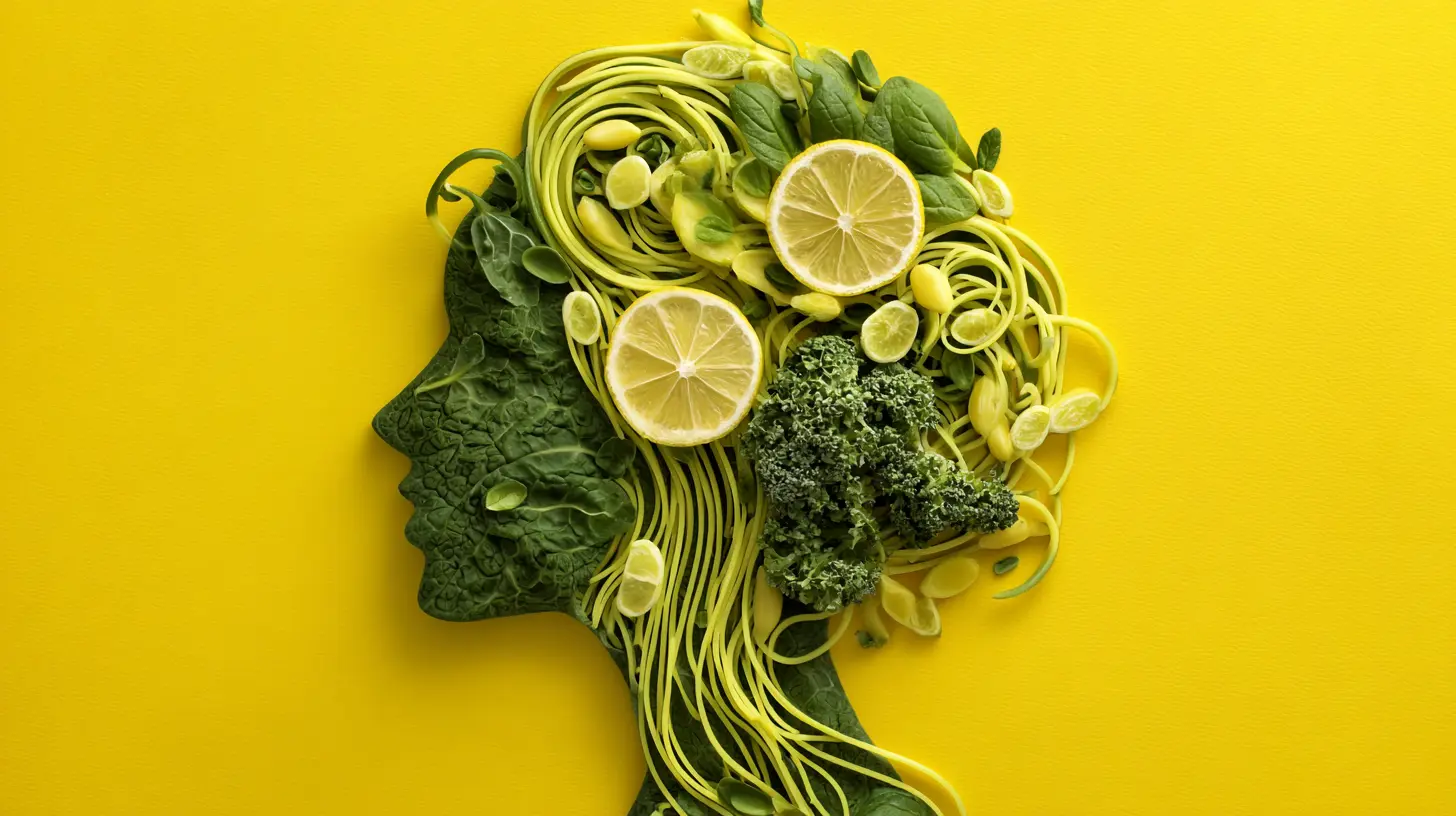
Nutrient Density: Feeding Your Brain Properly
Your brain is a powerful organ, but it needs the right fuel to function optimally. Organic foods tend to be more nutrient-dense because they’re grown in healthier soil without artificial enhancers. That means more vitamins, minerals, and antioxidants that directly support brain health.1. Higher Antioxidant Levels
Antioxidants play a crucial role in protecting your brain from oxidative stress—which has been linked to anxiety, depression, and even neurodegenerative diseases like Alzheimer’s. Organic fruits and vegetables often contain higher levels of antioxidants, helping your brain stay sharp and resilient.2. Omega-3 Fatty Acids: Nature’s Mood Booster
Ever heard of omega-3s? These essential fats are critical for brain function and mood regulation. Organic dairy, eggs, and grass-fed meats tend to contain higher amounts of omega-3s, which have been shown to reduce symptoms of depression and anxiety.3. B Vitamins for Mental Clarity
B vitamins, particularly B12 and folate, are crucial for mental clarity, energy levels, and overall mood balance. Organic leafy greens, whole grains, and animal products are excellent sources of these essential nutrients. Studies have linked B vitamin deficiencies to higher risks of depression, brain fog, and irritability.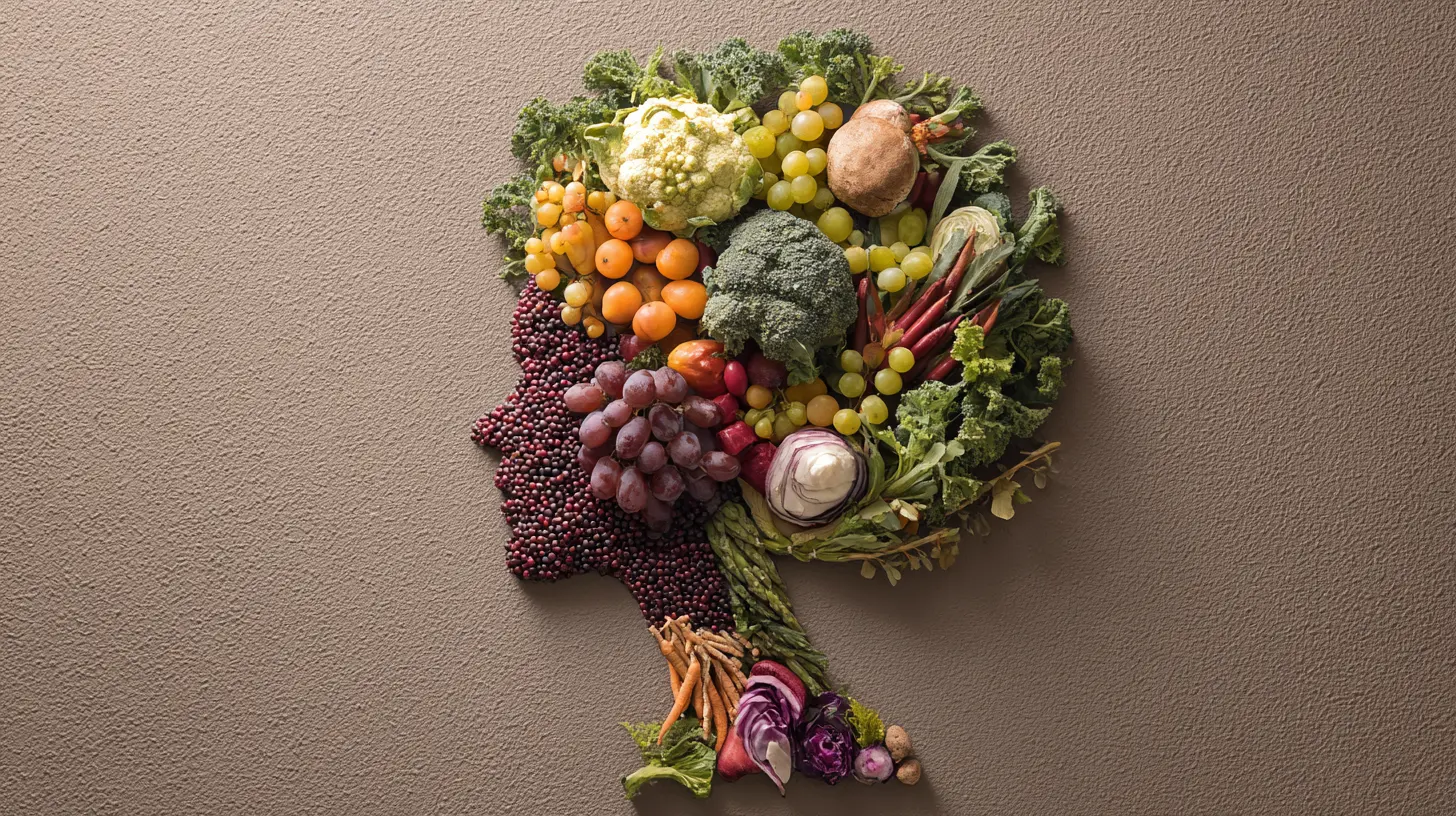
Organic Foods and Reduced Inflammation
Chronic inflammation is often called the “silent killer” because it contributes to numerous health issues, including mental health disorders. Many processed foods contain artificial additives, unhealthy fats, and chemicals that can trigger inflammation in the body and brain.Organic foods, on the other hand, are free from inflammatory additives and full of anti-inflammatory compounds. Eating an organic, whole-food diet helps lower brain inflammation, which has been linked to conditions such as depression, anxiety, and brain fog.
The Psychological Impact of Eating Organic
Beyond just the biological effects, eating organic can also have emotional and psychological benefits.1. Eating Organic Promotes Mindful Living
When you choose organic, you’re often more conscious of what you’re putting into your body. This sense of mindfulness can lead to healthier eating habits, which in turn, support mental wellness.2. Less Stress About Harmful Ingredients
Let’s be honest—navigating food labels can be exhausting. Choosing organic eliminates much of the worry about harmful pesticides, artificial additives, or GMOs. Knowing you’re nourishing your body with the best possible food can give you peace of mind.3. The Feel-Good Factor
There’s something deeply satisfying about eating food that aligns with your values. Many who choose organic do so for health reasons but also for environmental and ethical concerns. Supporting sustainable farming and humane animal treatment can give you a sense of purpose and fulfillment, which plays a role in overall mental well-being.
Overcoming the Cost Barrier
One of the biggest arguments against organic food is the cost. It’s true—organic foods can be pricier, but there are ways to make it more affordable:- Prioritize Certain Organic Foods: The "Dirty Dozen" list (which highlights the most pesticide-contaminated produce) can help you decide which foods to buy organic.
- Buy in Bulk: Staples like organic grains, nuts, and seeds can be purchased in bulk to save money.
- Shop Local: Farmers' markets often have organic produce at lower prices than supermarkets.
- Grow Your Own: Even a small herb or vegetable garden at home can provide you with fresh, organic produce at almost no cost.
Final Thoughts
Your diet directly impacts your mental health, and organic foods offer a powerful way to nourish both your body and your mind. By reducing toxins, supporting gut health, and providing essential nutrients, organic food can be a game-changer for mental well-being.While eating organic isn't a magic cure for mental health conditions, it’s a key piece of the puzzle. Pairing a nutritious diet with regular exercise, good sleep, and mindfulness practices can help you feel your best—inside and out.
So, next time you're filling your grocery cart, consider choosing organic. Your mind will thank you for it!
all images in this post were generated using AI tools
Category:
Organic FoodsAuthor:

Tiffany Foster
Discussion
rate this article
2 comments
Edward McVicker
So, apparently, munching on kale and quinoa can solve all your problems. Forget therapy and meditation; just stock up on organic avocados and your mental health will be sunshine and rainbows. Who knew a salad could be the secret to happiness? Enjoy your leafy greens, folks!
July 6, 2026 at 2:31 AM
Tiffany Foster
It's true that a healthy diet can boost mood, but it's not a replacement for therapy. Balance is key! Enjoy those greens, but don't forget holistic approaches too.
Ashley Hahn
Organic foods can boost mental wellbeing by providing essential nutrients and reducing exposure to harmful chemicals.
May 27, 2026 at 2:31 PM