Strength Training for Longevity: Aging Stronger
9 May 2026
Aging. It’s a strange dance, isn’t it? One day you’re chasing dreams (and maybe your kids), and the next, your knees creak just getting out of bed. But here's the beautiful, empowering truth: getting older doesn’t mean getting weaker. You can grow stronger with age. No, really — stronger.
And the secret? Strength training.
Let’s dive into the why, the how, and the heck-yes-you-can of strength training for longevity. Because the goal isn’t just to live long — it’s to live strong.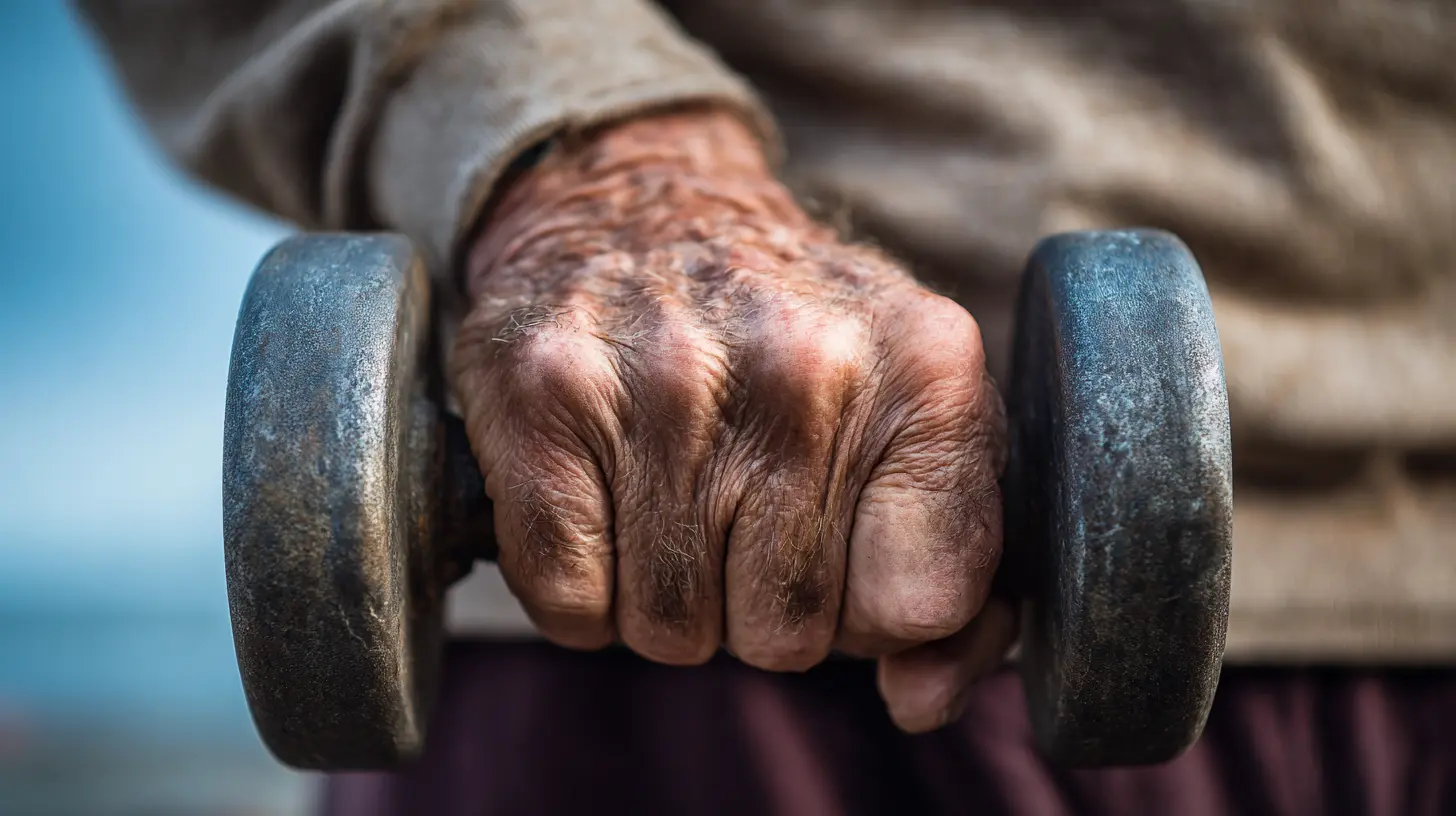
Why Strength Training? Because Muscle Is Magic
Have you ever thought of your muscles as your lifelong allies? They carry your grocery bags, help you climb stairs, keep you steady when life throws curveballs (or icy sidewalks), and basically hold you together — literally.But here’s the kicker: after age 30, we start losing muscle mass naturally. It's called sarcopenia, and it sounds as nasty as it is. On average, we lose about 3-8% of our muscle mass per decade. That means by the time you hit 70, without resistance training, you could be significantly weaker and far more prone to falls, injuries, and chronic conditions.
Aging Doesn’t Have to Mean Declining
The old narrative says aging equals decay — a slow walk into weakness, pain, and limitation.But strength training rewrites that story.
It’s like flipping the script and saying: I may be older, but I’m not done. I’m not fading. I’m just getting seasoned — like a good cast iron pan that only gets better with use.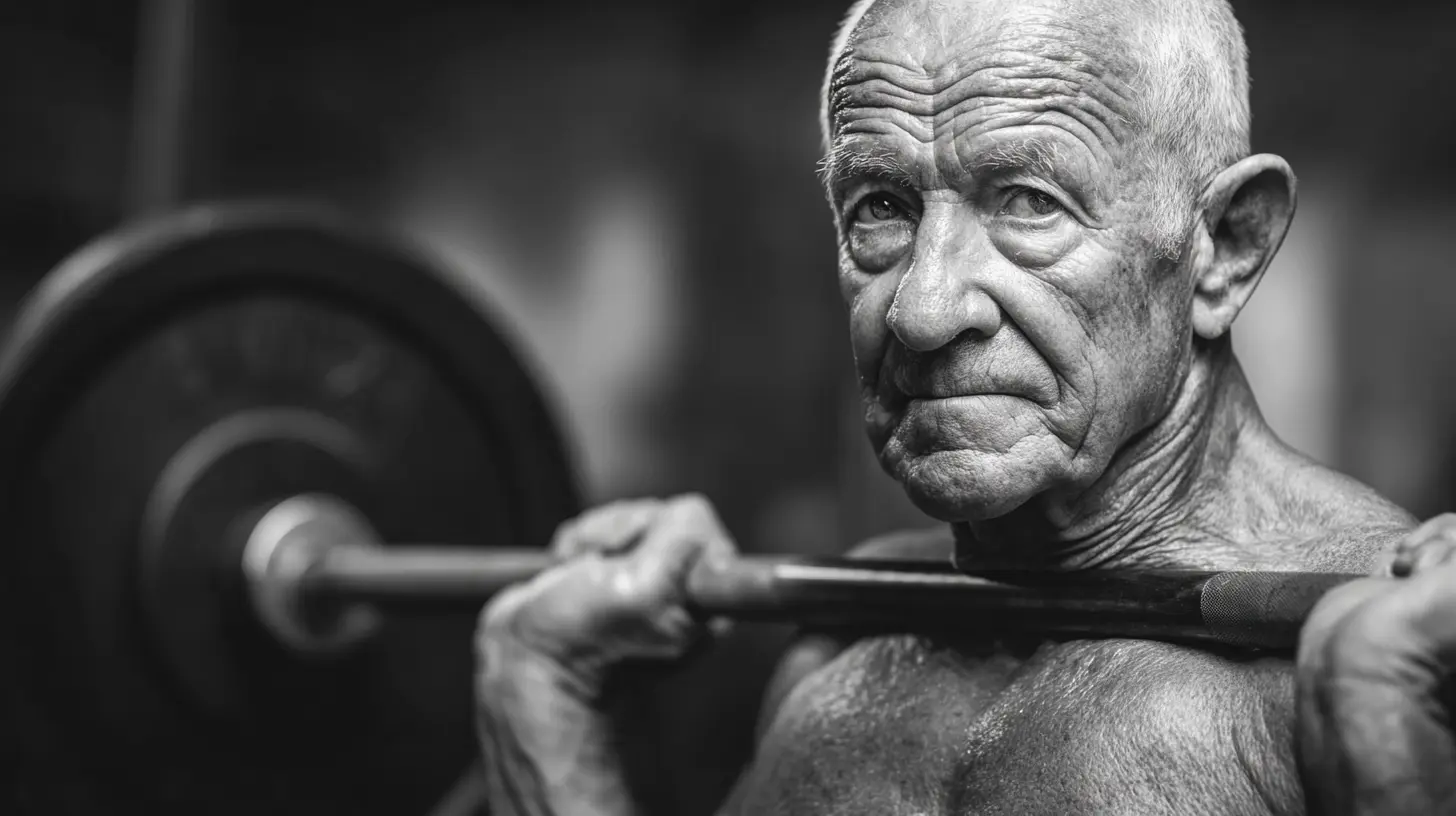
The Science of Strong: What Happens When You Lift?
Let’s talk biology — but not in a boring, textbook way.When you stress your muscles through lifting, resistance bands, or even bodyweight exercises (hello, squats!), you create tiny microscopic tears in the muscle fibers. Your body, being the brilliant repair department it is, rushes to fix these tears — and in doing so, it builds your muscles back stronger.
That’s adaptation. That’s progress. That’s your body saying, “Bring it on.”
Benefits Beyond the Biceps
You’re not just sculpting arms or getting a toned backside — though that’s a nice bonus. You’re building a fortress around your bones. Strength training:- Increases bone density, which helps fight off osteoporosis
- Boosts metabolism, helping you burn more calories even at rest
- Improves balance and coordination, reducing falls
- Enhances insulin sensitivity, lowering diabetes risk
- Elevates mood and reduces symptoms of depression and anxiety
Isn’t that incredible? A few sessions a week, and you're not only building muscle — you're building a better future.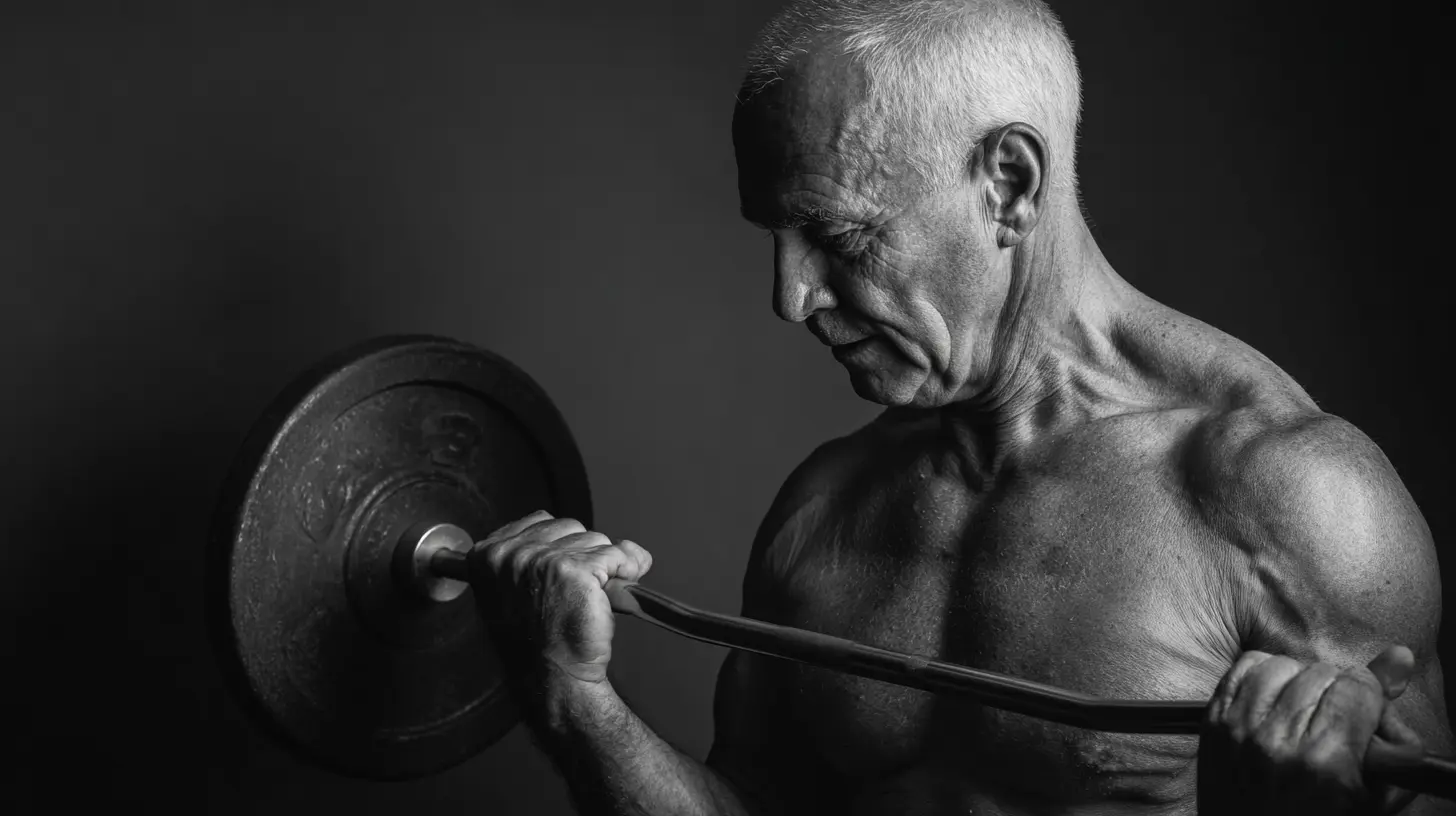
The Longevity Link: Living Not Just Longer, But Better
Want to still be hiking, swimming, and dancing in your 70s, 80s, or even 90s? Strength training is your golden ticket.The strongest predictor of longevity isn’t your cholesterol, your weight, or even your genetics. It’s often your muscle mass and strength, particularly grip strength. Studies show that people with higher muscle strength live longer and enjoy better quality of life.
So, it’s not about vanity. It’s about vitality.
Independence Is the Real Flex
What’s the point of living longer if you can’t enjoy it? Strength training helps you stay independent — getting out of chairs with ease, carrying your own groceries, playing with grandkids without needing a nurse on standby.Muscle isn’t just tissue. It’s personal power.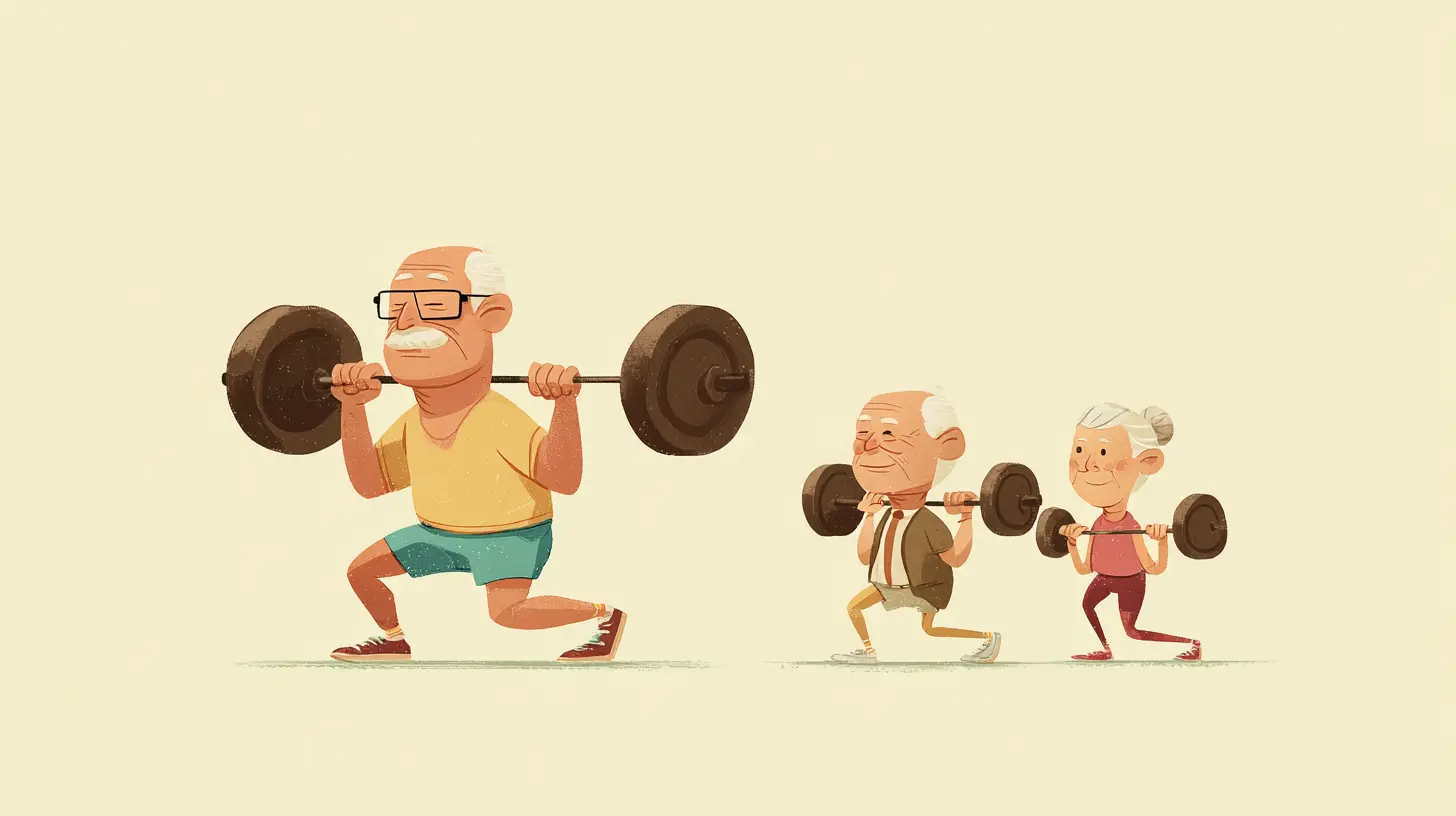
Starting Where You Are: It’s Never Too Late
Let’s bust a myth right now: you’re never too old to start strength training.Whether you’re 40 or 74, the moment you decide to pick up a weight (or even your own bodyweight), your body responds. It adapts. It strengthens. It cheers you on in its own silent, cellular way.
Your journey doesn’t need to be flashy or Instagram-worthy. You don’t have to deadlift 200 pounds or flex like a bodybuilder. You just need to move, lift, and push — consistently.
Begin with the Basics
Not sure where to begin? No worries. Here’s a simple starter pack for strength training:- Bodyweight exercises: squats, lunges, push-ups (even wall or knee versions), planks
- Resistance bands: gentle on joints, travel-friendly, and surprisingly challenging
- Dumbbells or kettlebells: start light and build up
- Machines at the gym: great for beginners with guided movement
- Functional training: think lifting groceries, climbing stairs, gardening
The goal? Two to three strength sessions per week. That’s it. Mix it up, work all major muscle groups, and give yourself rest days.
Building a Routine That Sticks: It’s a Lifestyle, Not a Phase
Let’s be real — habits are hard. Especially ones that make you sweat.But strength training doesn't have to be a grind. It can be fun, empowering, even meditative. The key is to make it fit into your life like a glove, not a chore.
Tips for Staying Consistent
- Keep it short and sweet: 20 to 30 minutes is plenty.- Pair it with something enjoyable: favorite music, a workout buddy, or a scenic park.
- Track your progress: tiny wins fuel motivation.
- Celebrate strength milestones: lifting heavier, more reps, or feeling less sore.
- Listen to your body: some soreness is normal. Pain is a red flag.
Remember, routines aren’t about perfection. They’re about persistence.
The Mind-Muscle Connection: Mental Health Gains
Let’s not forget the powerhouse benefits strength training has on your mental game.When life feels chaotic, lifting something heavy is oddly calming. Like you're physically pushing back against stress. Each rep becomes an act of self-respect. Each set says, “I’m worth the effort.”
Studies have shown that strength training can:
- Reduce anxiety
- Improve cognitive function
- Enhance sleep quality
- Boost self-confidence
- Promote emotional resilience
In a world where aging is often feared, strength training is your protest, your rebellion, your “I’m still here, and I’m not going quietly.”
Nutrition: Feeding Your Strength
Let’s talk fuel. Because muscles don’t build themselves out of thin air.To support strength training and aging well, your body needs:
Protein — The Building Block
Aim for 1.0 to 1.2 grams of protein per kilogram of body weight. Spread it throughout the day, not just a giant steak at dinner. Eggs, Greek yogurt, tofu, lentils, fish — whatever fits your vibe.Don't Forget the Rest
- Hydration: muscles love water- Healthy fats: your joints’ best friends
- Calcium and Vitamin D: for bone health
- Magnesium and potassium: for muscle function
Think of nutrition as the backstage crew supporting the star — you.
Strength Is the New Fountain of Youth
Let's stop chasing youth and start embracing strength.Strong biceps won’t make you 25 again. But they will help you carry your own luggage on that dream trip. Strong legs won’t give you teenage knees, but they’ll help you dance at weddings instead of watching from the sidelines.
Strength training doesn’t promise immortality. But it hands you the reins to your own mobility, autonomy, and vitality. That’s what we all want, right?
Not just more years in your life — but more life in your years.
Final Thoughts: You’ve Got This
Hey, aging is inevitable — but becoming frail, fragile, or dependent doesn’t have to be part of the package.Strength training is the life hack no one told us about in our 20s. But it’s never too late to start. Begin wherever you are, with whatever you have. Your body will thank you. Your future self will applaud you. And you’ll find a kind of joy in your strength that’s impossible to measure by a number on the scale.
So go ahead — pick up that dumbbell, stretch those muscles, and remind the world (and yourself) that aging doesn't mean weakening.
It means evolving.
It means aging stronger.
all images in this post were generated using AI tools
Category:
Strength TrainingAuthor:

Tiffany Foster
Discussion
rate this article
2 comments
Kira Warren
So, lifting weights might just be the secret to living longer. Who knew that getting ripped could come with added years? My only question is, will I still be able to eat pizza?
June 21, 2026 at 3:08 PM
Ronan McWain
Strength training boosts longevity and overall health.
May 12, 2026 at 4:35 PM
Tiffany Foster
Absolutely! Strength training is key for maintaining muscle mass and improving overall health as we age.