Smart Snacking: Incorporating Nutrition into Your Daily Routine
1 June 2026
Let’s be honest—snacking gets a bad rap. For years, we've linked it to mindlessly crunching through a family-size bag of chips or sneaking cookies at midnight. But here's some real talk: snacking doesn’t have to be the villain in your diet story. If done right, it can be your nutritional sidekick. Welcome to the world of smart snacking—where guilt meets its match, and your body says, “Thank you.”
In this article, we're diving deep into how you can make snacks work for you, not against you. So grab an apple (or a handful of almonds, we’re not judging), and let’s talk about how to upgrade your snack game.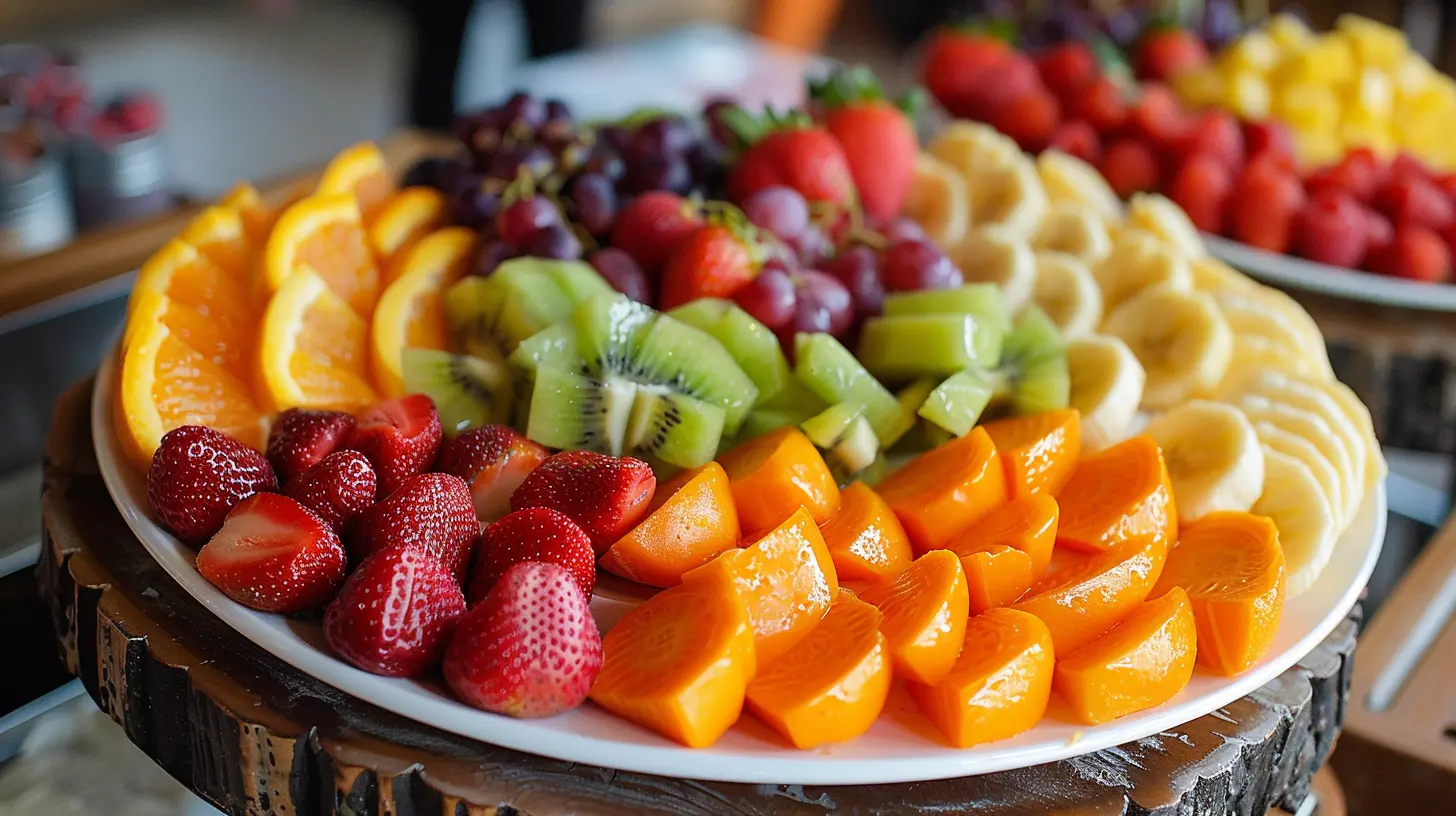
Why Snacking Got a Bad Reputation (And Why It’s Time to Change That)
Most people associate snacking with unhealthy eating habits. You know the drill—grabbing sugary treats or salty processed foods out of boredom, stress, or just because it's there. The result? Energy crashes, weight gain, and a whole lot of regret.But guess what? Snacking isn’t the problem. It’s what you snack on and why that matters. When done right, snacking can:
- Keep your metabolism fired up
- Prevent overeating at meals
- Stabilize blood sugar
- Fuel your brain and body between meals
- Support better mood and energy
So, the real enemy? Mindless snacking. The hero? Smart snacking.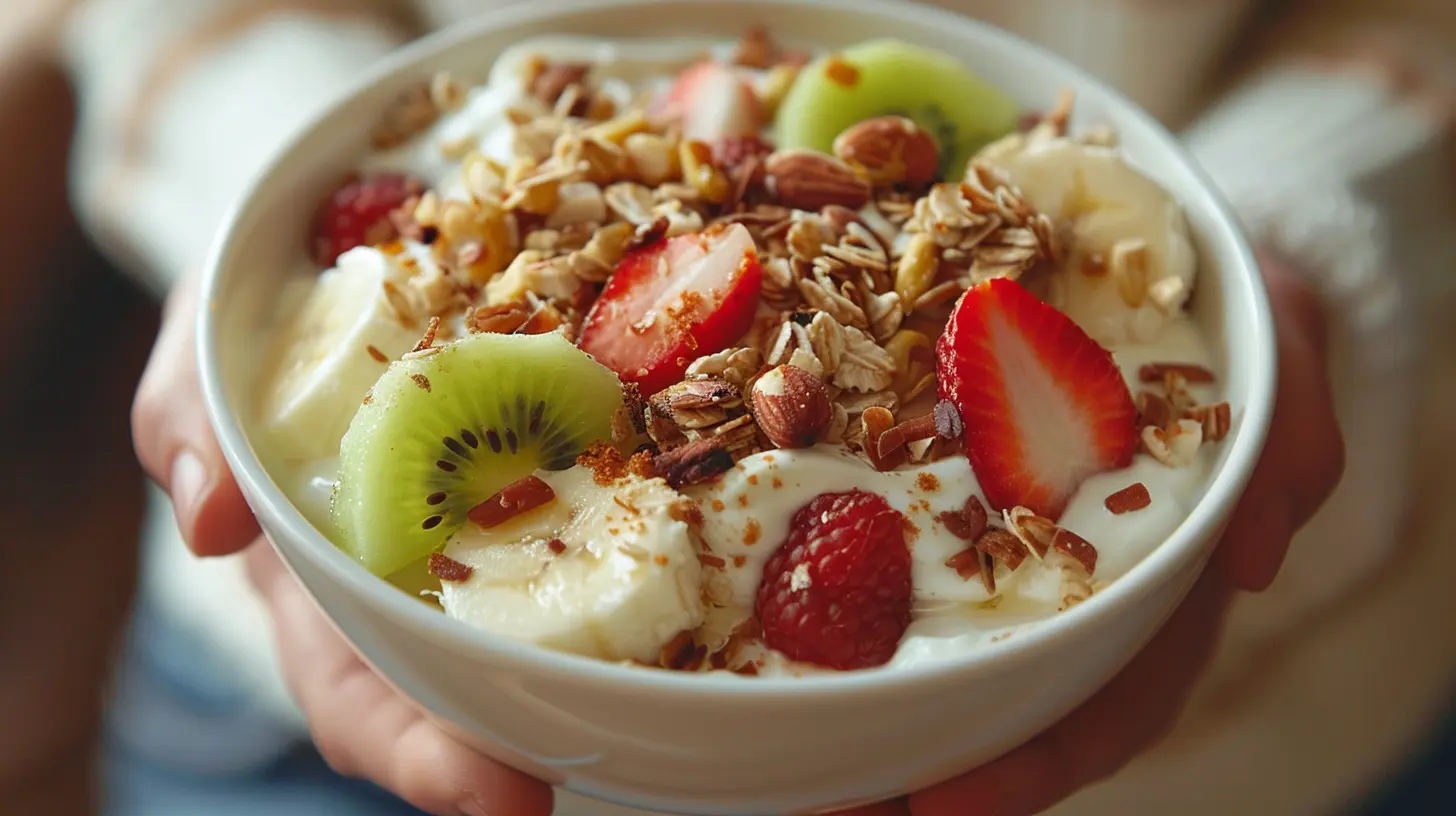
What Is Smart Snacking, Anyway?
Think of smart snacking like being a food detective. You’re not just eating to eat—you’re making intentional, informed decisions. Smart snacks are:- Nutrient-dense (packed with vitamins, fiber, healthy fats, or protein)
- Portion-controlled (because more isn’t always better)
- Purposeful (fueling your body when it needs it)
Smart snacking isn't about never having fun food again. It's about balance. It’s choosing foods that do something for your health.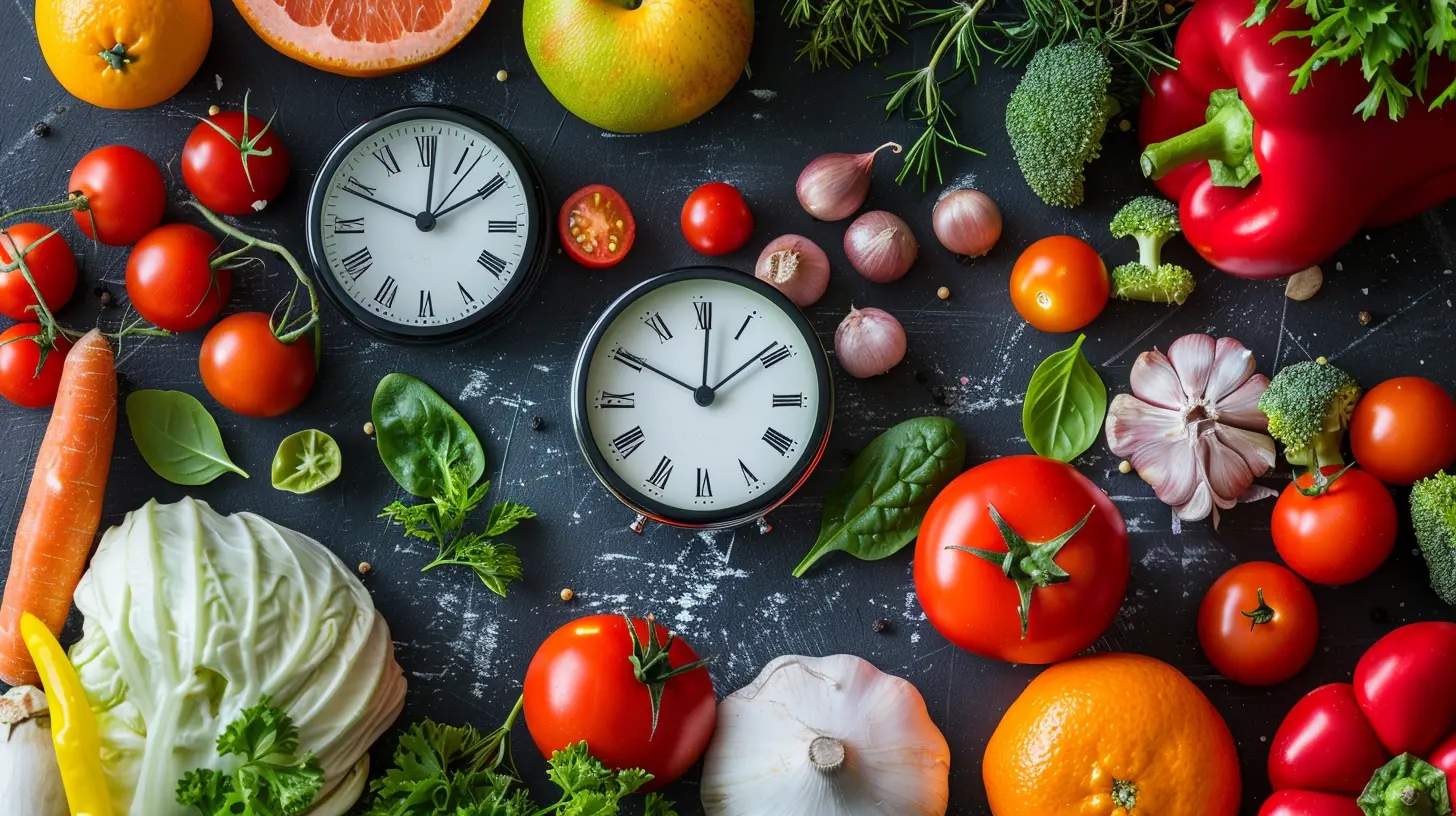
When You Snack Matters (Timing is Everything)
Let’s not forget timing. Ever snack so much before dinner that you're not even hungry when the food hits the table? Been there. Timing matters just as much as your snack choice.Here’s when to snack smartly:
- Mid-morning (10–11 a.m.): If there’s a long gap between breakfast and lunch
- Afternoon lull (2–4 p.m.): When energy dips usually hit hardest
- Pre-workout fuel: A small, energizing snack 30–60 minutes before exercise
- Post-workout recovery: A snack with protein and carbs to rebuild energy stores
Snacking isn’t about filling boredom. It’s about fueling performance.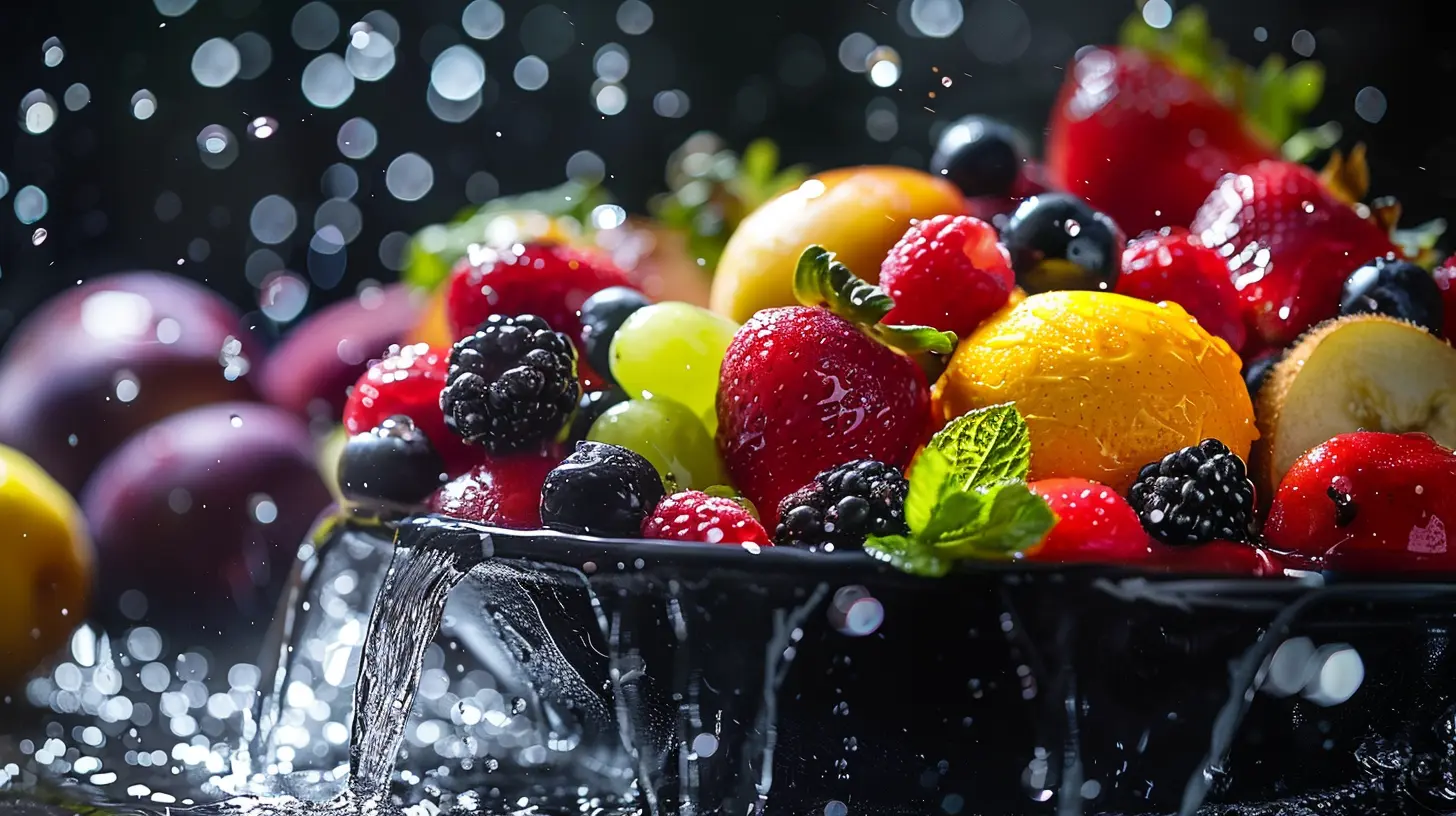
Building the Perfect Smart Snack
Now let’s get into the nuts and bolts (literally, sometimes). A smart snack usually includes three key elements:1. Protein – Keeps you full and supports muscle repair
2. Fiber – Slows digestion and maintains blood sugar
3. Healthy Fats or Complex Carbs – For sustained energy
Here’s a super easy formula to remember:
Protein + Fiber + Healthy Fat or Carb = Smart Snack Victory
Examples of Winning Combos:
- Apple + Almond Butter- Greek Yogurt + Berries + Chia Seeds
- Whole-Grain Crackers + Hummus + Cucumber Slices
- Cottage Cheese + Pineapple + Flaxseeds
- Hard-Boiled Egg + Avocado Toast
Simple? Yes. Boring? Not even close.
Snack Attacks: How to Handle Them the Smart Way
Let’s not pretend that you’ll always plan your snacks like a seasoned health guru. Life happens. You’re stuck in traffic, running between meetings, or just didn't bring your A-game to food prep this week.Here’s how to snack smart on the fly:
1. Read Labels Like a Pro
Stick to snacks that are low in added sugars (aim for under 5g per serving), have real ingredients you can pronounce, and offer some protein or fiber.2. Pack Emergency Snacks
Keep non-perishable options in your bag, car, or desk drawer. Think:- Trail mix (with nuts, seeds, and dried fruit—but go easy on added sugar)
- Low-sugar protein bars
- Roasted chickpeas
- Nut butters with whole-grain rice cakes
3. Portion It Out
Don’t snack from the bag. Seriously. That’s a one-way ticket to "Oops, I ate the whole thing." Use small containers or baggies to portion out snacks ahead of time.Snack Prep 101: Stock Your Kitchen Like a Pro
If you’ve got the right stuff at home, you're way more likely to make good choices. Here’s a grocery list to keep you snack-prepped and powered up:Fresh Produce
- Apples, bananas, oranges- Carrot sticks, snap peas, cherry tomatoes
- Cucumber slices, bell pepper strips
Proteins
- Hard-boiled eggs- Greek yogurt (plain or low-sugar)
- Low-fat cheese sticks
- Canned tuna or salmon
Pantry Staples
- Nut butters (look for no added sugar)- Whole-grain crackers
- Chia seeds and flaxseeds
- Unsalted nuts and seeds
Freezer Finds
- Frozen edamame- Homemade smoothie packs (fruit + leafy greens)
- Protein-packed muffins
Having these on hand means reaching for a healthy snack is a no-brainer. And we could all use fewer decisions in our day, right?
Smart Snacking for Different Lifestyles
Our snack needs aren’t one-size-fits-all. Whether you’re a busy parent, a gym junkie, or someone working long shifts, the key is tailoring your snacks to your energy needs and schedule.For Office Warriors
- Keep grab-and-go options in your desk- Avoid vending machines—anything that lives under fluorescent light for months isn’t snack-worthy
- Snack between Zoom meetings to stay sharp
For Active Folks
- Pre- and post-workout snacks can make or break performance- Great Pre-Workout: Banana + Peanut Butter
- Great Post-Workout: Protein Shake + Fruit + Handful of Nuts
For Parents
- Prep snacks that both you and your kids can enjoy- Make snack time interactive: fruit skewers, DIY trail mix, or hummus dippers
Smart Snacking Myths—Busted!
Let’s clear up a few common misconceptions:? Myth: “Snacking ruins your appetite.”
Truth: Not if it’s planned and portioned. Smart snacks take the edge off so you don’t overeat at meals.? Myth: “Juice counts as a healthy snack.”
Truth: Whole fruit > Juice. Juice lacks fiber and is often loaded with sugar.? Myth: “All bars are good for you.”
Truth: Read the ingredients. Many are just glorified candy bars.? Myth: “Fatty snacks are bad.”
Truth: Healthy fats like those in nuts and avocado keep you full. Just don’t go overboard.How to Curb Cravings the Smart Way
Here’s a little secret: most cravings aren’t about hunger. They’re about emotions or habits. You’re not hungry—you’re bored, stressed, or triggered by that darn commercial for double chocolate brownies.Before you snack, ask yourself:
- Am I actually hungry?
- Would I eat an apple right now?
- What am I feeling emotionally?
Sometimes the answer is a real snack. Other times, it’s a walk, a glass of water, or calling a friend.
Final Thoughts: Make Snacks Work for You
Snacks don't need to be the enemy. In fact, they can be the small-but-mighty tools that keep you energized, in control, and supporting your health goals. The key is planning, awareness, and choosing nutrient-dense options that leave you feeling satisfied.Start small. Swap your soda for sparkling water. Replace that mid-morning donut with a boiled egg and fruit. You don’t need to overhaul your entire routine overnight—but small steps lead to massive wins.
So next time the snack-urge hits? You’ll be ready—with something your body actually needs (and your tastebuds will love).
all images in this post were generated using AI tools
Category:
Healthy RoutineAuthor:

Tiffany Foster
Discussion
rate this article
1 comments
Claire McQuiston
This article offers great tips for healthy snacking. I love how simple changes can make a big difference. Thanks!
June 2, 2026 at 2:42 PM
Tiffany Foster
Thank you for your kind words! I'm glad you found the tips helpful. Happy snacking!