Sleep Apnea: Recognizing the Symptoms and Treatment Options
14 January 2026
Ever find yourself waking up exhausted after a full night's sleep? Or maybe your partner has been nudging you awake because of your thunderous snoring? These little red flags could be pointing toward something more serious—something many people overlook until it starts affecting their health in a big way. Yep, we're talking about sleep apnea.
Sleep apnea isn't just about bad sleep and a tired morning. It’s a health condition that can mess with your brain, your heart, and even your mood. The catch? Many people don’t even realize they have it. That’s why recognizing the symptoms and knowing your treatment options could literally save your life.
Let’s dive deep into sleep apnea—unpacking what it really is, how to spot it, and what you can do to get your life (and your sleep) back on track.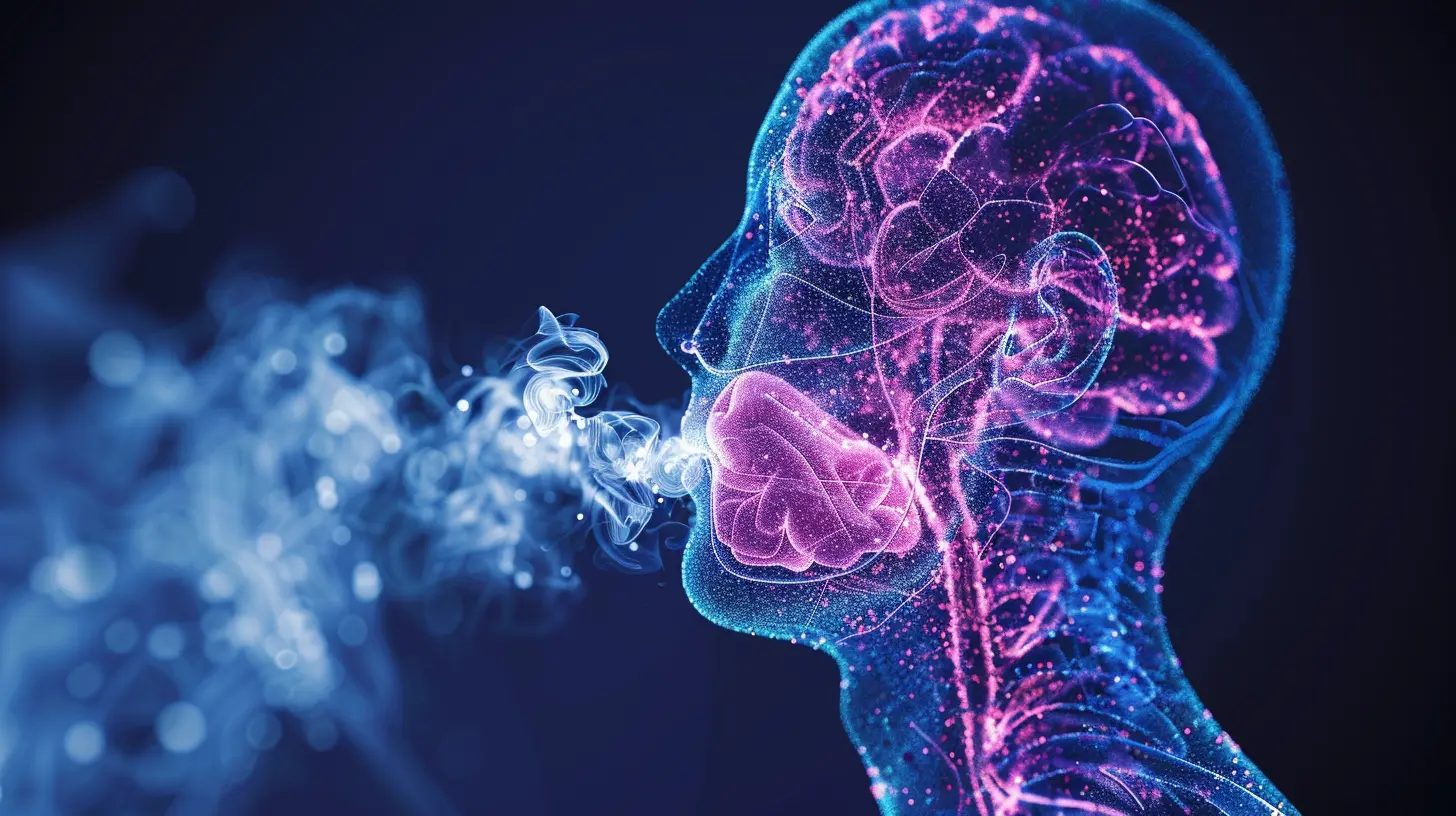
What Is Sleep Apnea, Really?
You know how your body naturally breathes even when you're asleep? Imagine if that stopped—over and over again—throughout the night. That’s sleep apnea.It’s a disorder where your breathing repeatedly stops and starts during sleep. And no, this isn’t just about "light snoring." These interruptions can last seconds or even minutes, and they can happen dozens or even hundreds of times a night. Not surprisingly, that plays havoc with your body.
There are three main types of sleep apnea:
- Obstructive Sleep Apnea (OSA) – The most common type. It happens when the muscles in the back of your throat relax too much during sleep, narrowing or blocking your airway.
- Central Sleep Apnea (CSA) – A less common type where your brain fails to send the right signals to the muscles that control breathing.
- Complex Sleep Apnea Syndrome – A combination of both OSA and CSA.
Each of these can be serious. But here's the good news: all of them are treatable.
Why Sleep Apnea Is No Joke
Think sleep apnea just makes you sleepy? Think again.When your body isn’t getting enough oxygen during sleep, it’s like trying to run a marathon with one lung. Your brain and other organs are constantly under stress. Over time, this can lead to:
- High blood pressure
- Heart disease
- Stroke
- Type 2 diabetes
- Depression and anxiety
- Memory problems
- Weakened immune system
And that’s just scratching the surface. The ongoing fatigue from poor sleep can also increase the risk of car accidents, workplace errors, and strained relationships. It’s not something you want to ignore.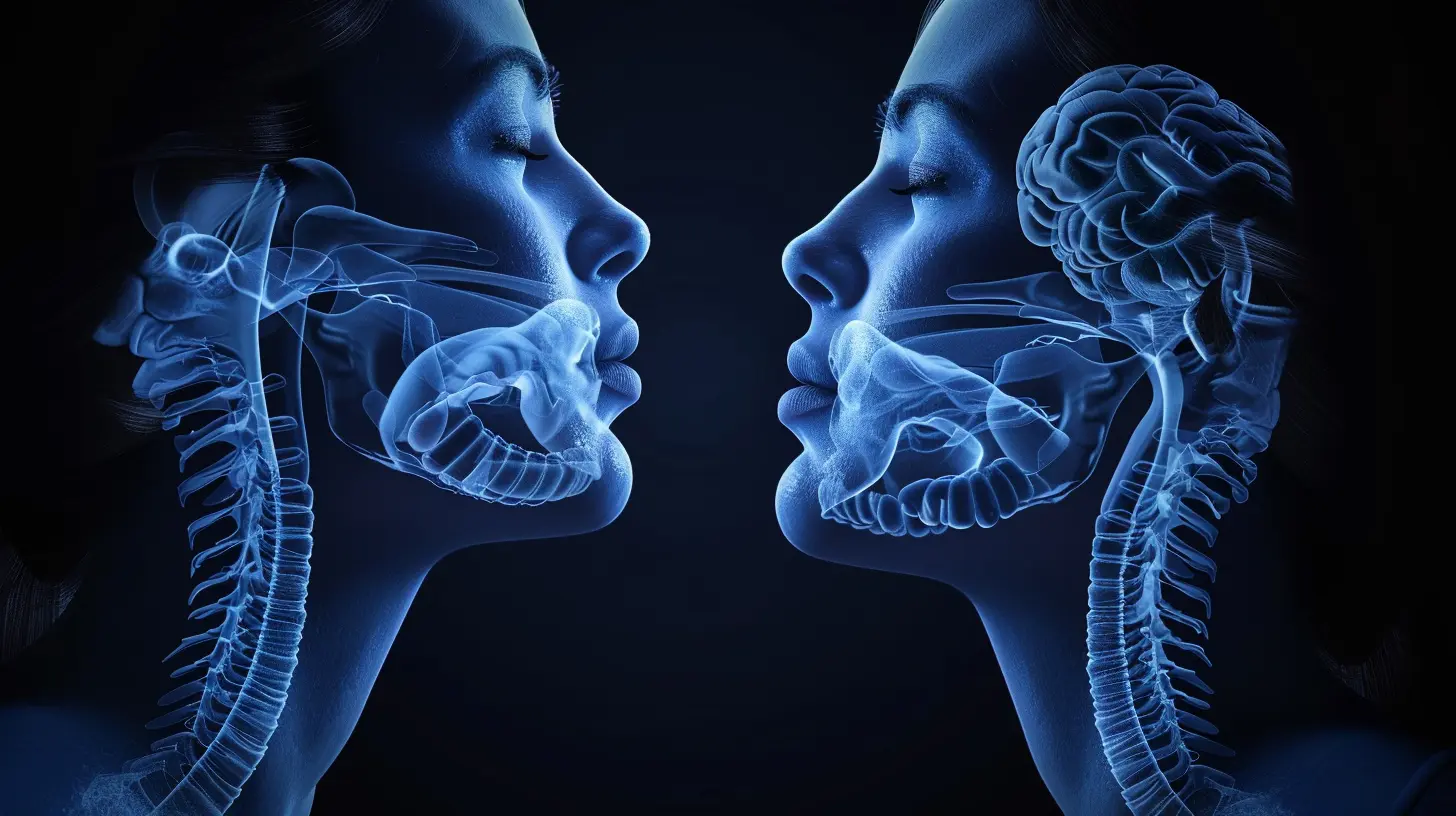
So, What Are the Symptoms?
You'd think it would be easy to spot something like sleep apnea, right? But here’s the twist—most people don’t even know it’s happening. The symptoms often sneak up and get mistaken for other issues. That’s why being aware is half the battle.Common Symptoms
- Loud, persistent snoring – Especially if it’s punctuated by silent pauses or choking sounds.- Daytime sleepiness – Can’t stay awake at work or feel like you're dragging all day.
- Morning headaches – From the oxygen deprivation overnight.
- Dry mouth or sore throat in the morning – A sign you might be breathing through your mouth all night.
- Waking up gasping or choking – Might sound dramatic, but it’s a classic sign.
- Irritability and mood swings – Sleep deprivation affects emotional regulation.
- Memory and concentration problems – Brain fog is real with sleep apnea.
- Frequent nighttime urination – Weird, but common.
- Insomnia or restless sleep
You Might Have Sleep Apnea If…
- Your partner complains about your snoring or says you stop breathing in your sleep.- You constantly wake up feeling like you haven’t slept at all.
- You fall asleep during the day—at work, watching TV, or even while driving.
If any of that sounds familiar, don’t brush it off.
What Causes Sleep Apnea?
Let’s break it down:For Obstructive Sleep Apnea:
- Excess weight – Fat deposits around the upper airway can obstruct breathing.- Neck circumference – A thicker neck may narrow the airway.
- A narrow airway – Tonsils, adenoids, or natural anatomy can contribute.
- Being male – Men are more likely to get sleep apnea.
- Age – It’s more common in older adults.
- Family history
- Smoking and alcohol use
For Central Sleep Apnea:
- Heart disorders- Stroke
- Certain medications – Especially opioids.
The causes are as varied as the people who have it, but the result is the same: your body is starved for oxygen, and that’s a problem.
Getting Diagnosed: What to Expect
First off, don’t self-diagnose. If you suspect sleep apnea, talk to a doctor—preferably a sleep specialist.They might recommend a sleep study (also called a polysomnography), which can be done in a sleep lab or sometimes at home. During the study, machines monitor your breathing, heart rate, oxygen levels, and more while you sleep.
It might sound intense, but it’s painless and incredibly insightful. The data helps determine if you have sleep apnea, how severe it is, and what kind of treatment would work best for you.
Treatment Options: What Can You Do?
Now, the good news: sleep apnea is manageable. And in many cases? Fixable.1. Lifestyle Changes
For milder cases, sometimes some simple but powerful changes can make a world of difference.- Lose weight – Shedding even a few pounds can reduce or eliminate sleep apnea symptoms.
- Sleep on your side – Sleeping on your back can make symptoms worse.
- Avoid alcohol and sedatives – They relax the throat muscles.
- Quit smoking – Smoking contributes to airway inflammation.
- Stick to a sleep schedule
These might sound basic, but don't underestimate them.
2. CPAP Therapy
This is the rockstar of sleep apnea treatments—especially for moderate to severe cases.CPAP stands for Continuous Positive Airway Pressure. The machine delivers steady air through a mask to keep your airway open at night. It might feel weird at first, like sleeping with a hairdryer blowing up your nose. But you get used to it. Most people who stick with CPAP feel like a whole new person after a couple of weeks.
3. BiPAP or APAP
These are alternatives to CPAP. BiPAP (bi-level) offers different pressures for inhalation and exhalation. APAP (automatic) adjusts the pressure throughout the night based on your breathing.Great for people who struggle with standard CPAP machines.
4. Oral Appliances
Small, custom-fitted devices (kind of like mouthguards) that help keep your airway open. They're often a good option for people who can’t tolerate CPAP.Dentists who specialize in sleep medicine typically handle this route.
5. Surgery
Not the first option, but in some cases, it can be necessary—especially if there are structural issues.Common surgeries include:
- Uvulopalatopharyngoplasty (UPPP) – Trims soft tissue from the throat.
- Tonsillectomy – Removes enlarged tonsils blocking the airway.
- Nasal surgeries – Like correcting a deviated septum.
Surgery is usually recommended after other treatments don’t work.
Can Sleep Apnea Go Away on Its Own?
It depends.In some cases—especially if weight is the primary factor—lifestyle changes can significantly reduce or even eliminate symptoms. But for many people, it’s a chronic condition that requires ongoing management.
The key? Don’t ignore it. Sleep apnea doesn’t just go away if you wish hard enough. Tackling it early can lead to better health, better mood, and yeah, way better sleep.
Living With Sleep Apnea: What It's Really Like
So what happens after a diagnosis?For many, starting treatment feels like someone turned the lights back on. That “dead tired” sense fades, focus sharpens, and mood lifts. It can take some time to adjust—especially with things like CPAP—but most people say it’s worth it.
More awareness also means more support. Online communities, better equipment, and improved medical care are all making it easier to live well with sleep apnea.
Final Thoughts: Don't Sleep On It
Sleep apnea isn’t just about snoring. It’s your body crying out for oxygen every single night. And left untreated? It can lead to some pretty scary stuff.But here's the silver lining—you don't have to live like this. Whether it's a few lifestyle tweaks, a breathing machine, or a little help from your doctor, there are ways to reclaim your sleep and your life.
If any of the symptoms hit a little too close to home, don’t wait. Talk to someone. Because everyone deserves a good night’s sleep—and the energy to actually enjoy their day.
all images in this post were generated using AI tools
Category:
Sleep HealthAuthor:

Tiffany Foster
Discussion
rate this article
2 comments
Brooke Simmons
This article effectively highlights the importance of recognizing sleep apnea symptoms and exploring treatment options. It's crucial for those experiencing excessive daytime fatigue or loud snoring to seek help. Timely diagnosis and intervention can significantly improve quality of life. Don’t ignore the signs—better sleep is within reach!
February 21, 2026 at 5:57 AM
Tiffany Foster
Thank you for your insightful comment! I'm glad you found the article informative—recognizing symptoms early is key to improving quality of life.
Kian Bennett
Great article! Understanding sleep apnea is crucial for better health. Your insights on symptoms and treatments are invaluable!
January 16, 2026 at 5:29 AM
Tiffany Foster
Thank you for your kind words! I'm glad you found the article helpful in understanding sleep apnea.