Simple Ways to Stay Active Without Leaving Your House in 2027
22 April 2026
Let’s be honest. The idea of “getting active” can sometimes feel like a chore tied to a specific location—a gym membership card gathering dust, a guilt-inducing walk you haven’t taken, or a yoga studio that feels a million miles away. But what if the most powerful fitness tool you own isn’t a piece of equipment, but a simple shift in perspective? Your home isn’t just a place for rest; it’s a potential playground, a wellness sanctuary, and a personal studio, all wrapped into one. As we look ahead to 2027, the concept of home-based activity has evolved from a pandemic-era necessity into a sophisticated, integrated, and deeply personal approach to well-being. Staying active without leaving your front door isn’t about limitation; it’s about liberation. It’s about weaving movement so seamlessly into the fabric of your daily life that it becomes as natural as breathing. So, let’s explore how you can turn your living space into your favorite fitness destination.
Redefining "Activity": It’s More Than Just Exercise
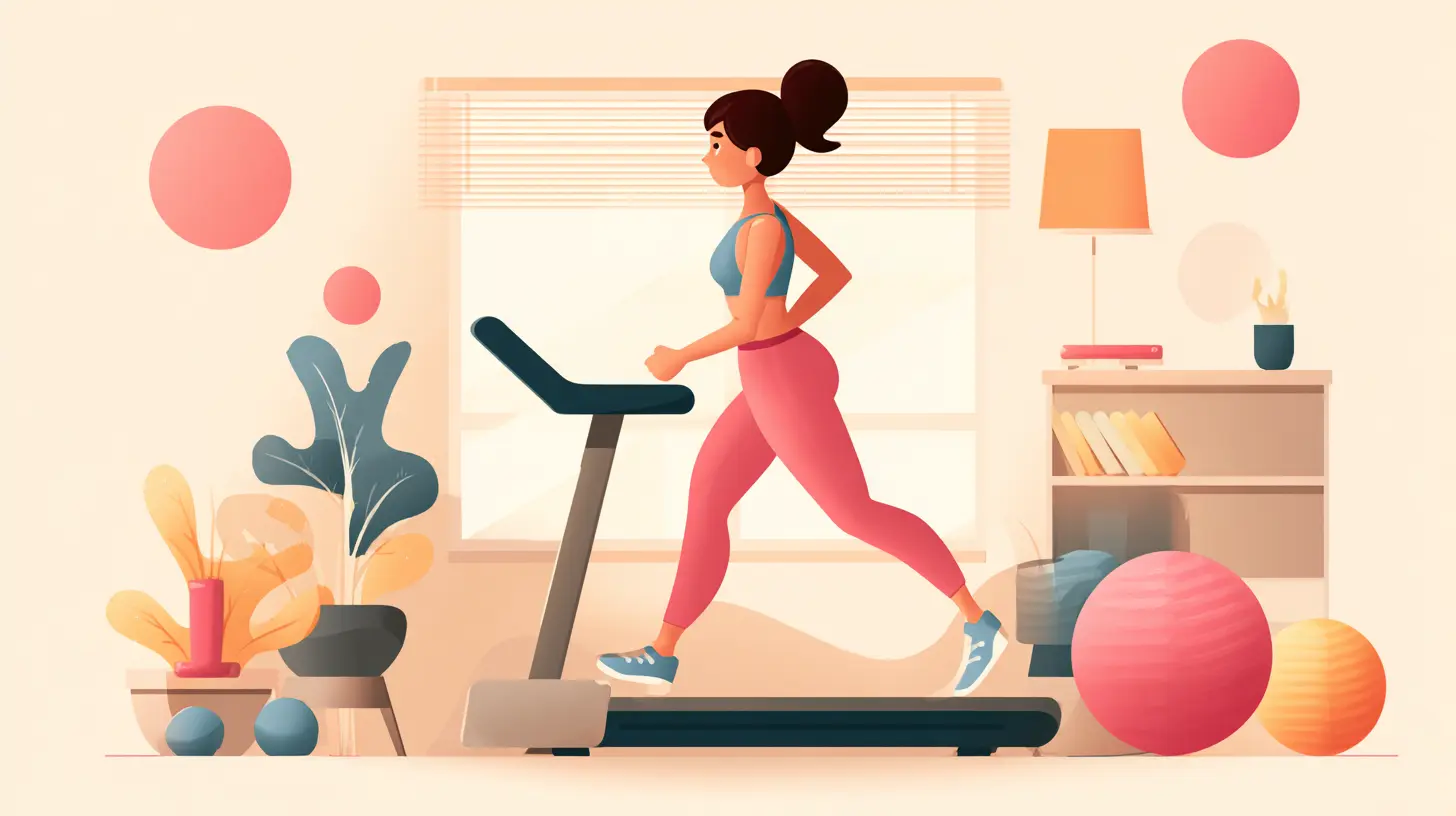
First, we need to dismantle a stubborn myth. When we hear “stay active,” our brains often jump to images of sweat-drenched workouts, pounding treadmills, and counting reps. But for 2027, we’re thinking bigger and wiser. Activity is any movement that gets your body in motion and your blood flowing. It’s the cumulative effect of countless small choices throughout the day. Think of your body not as a machine that needs a single, intense fuel-up, but as a river that thrives on constant, gentle flow. Stagnation is the enemy, not the absence of deadlifts.This holistic view is empowering. It means that dancing while you cook, taking the stairs inside your two-story home ten times, or vigorously cleaning a room all count as legitimate, health-boosting activity. The goal is to break up prolonged sitting and inject pockets of motion into your routine. This “movement snacking” is a game-changer. It keeps your metabolism engaged, your joints lubricated, and your mind sharp. So, before we even talk about structured workouts, promise yourself this: you will no longer see chores or daily tasks as separate from your fitness. They are the foundational bricks of an active life.
The 2027 Home: Your Integrated Wellness Ecosystem
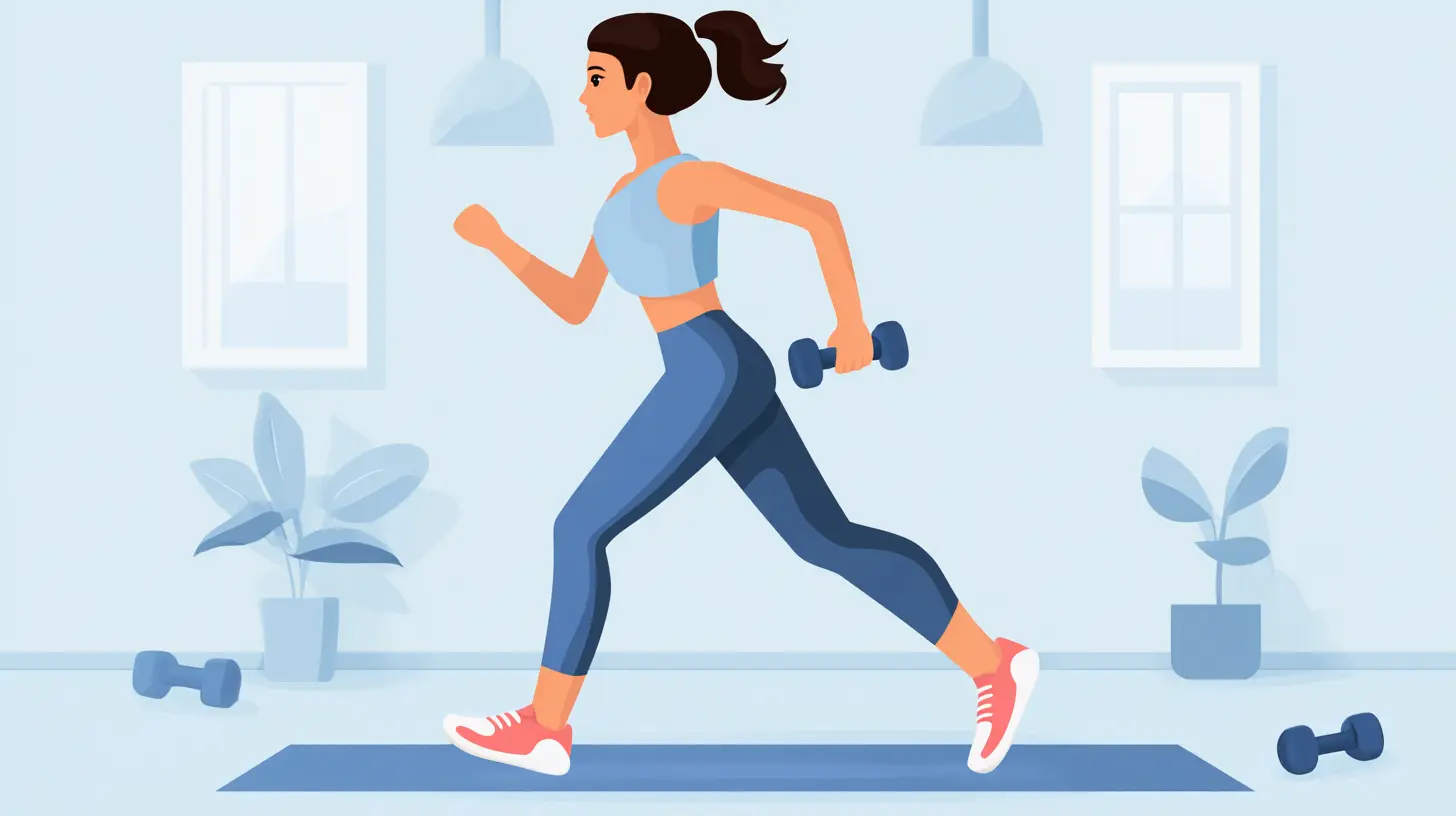
By 2027, technology isn’t just a distraction; it’s a seamless facilitator of health. Imagine your smart home ecosystem not just adjusting your thermostat, but prompting your wellness.* AI-Powered Movement Coaches: Forget generic workout videos. Imagine a wall-mounted display or your smart mirror that uses gentle AI to suggest a 5-minute “mobility break” based on how long you’ve been sitting at your desk. It scans your posture (with your permission, of course) and guides you through three perfect stretches to release your tight shoulders. It’s a polite, personalized nudge, not a shouty drill sergeant.
Immersive Fitness Realities: Virtual Reality (VR) and Augmented Reality (AR) have matured. You’re not just watching a cycling video; you’re in* it. You can join a live, immersive hike through a Peruvian mountain trail from your living room rug, complete with changing terrain that adjusts your stationary bike’s resistance. Or perhaps you’re following an AR tai chi instructor who appears to be right in your garden, their movements overlaid perfectly onto your space. This isn’t escapism; it’s enhanced engagement, making the time fly by.
* The Furniture That Fights Back: Your couch or office chair in 2027 might subtly encourage movement. Think of ergonomic chairs with gentle, programmed micro-movements or a coffee table that can elevate into a standing desk at a voice command. Your environment is no longer passive; it’s an active partner in your health, designed to make the healthy choice the easy, default choice.
No-Kit, No-Problem: Bodyweight Brilliance
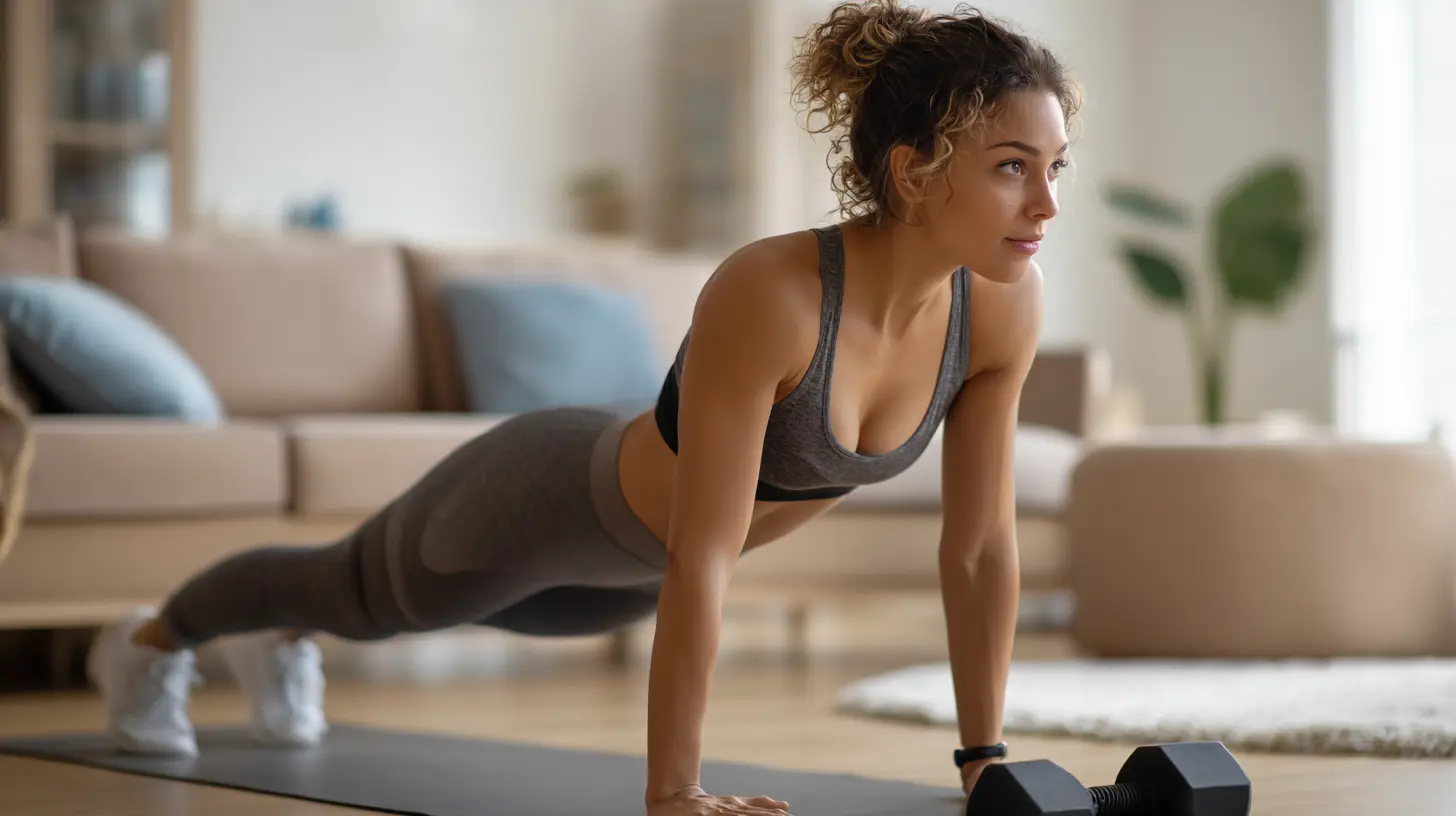
You don’t need a garage full of shiny gear. Your body is a masterpiece of biomechanical engineering, and its own weight provides the perfect resistance. Bodyweight training is timeless, effective, and infinitely adaptable.* The Power of Pyramids: Try a push-up pyramid. Do 1 push-up, rest 10 seconds. Then 2, rest 10 seconds. Climb up to 5 or 10, then climb back down. It’s mentally engaging and physically demanding in short, manageable bursts.
* Chair as Your Gym: A sturdy chair is a fantastic tool. Use it for tricep dips, elevated push-ups, step-ups, or single-leg glute bridges. Your staircase is a cardio and strength machine for step aerobics or lunges.
* Isometric Magic: Don’t underestimate the power of holding. A wall sit while you wait for the kettle to boil. A plank during a TV commercial break. These static holds build tremendous strength and stability, lighting up muscles you didn’t know you had.
The key here is consistency and creativity. Can’t do a standard push-up? Do them against the wall. Squats feeling easy? Slow down the lowering phase to a count of five. Your body responds to challenge, not necessarily to equipment.
Micro-Movements: The Art of the Activity Snack
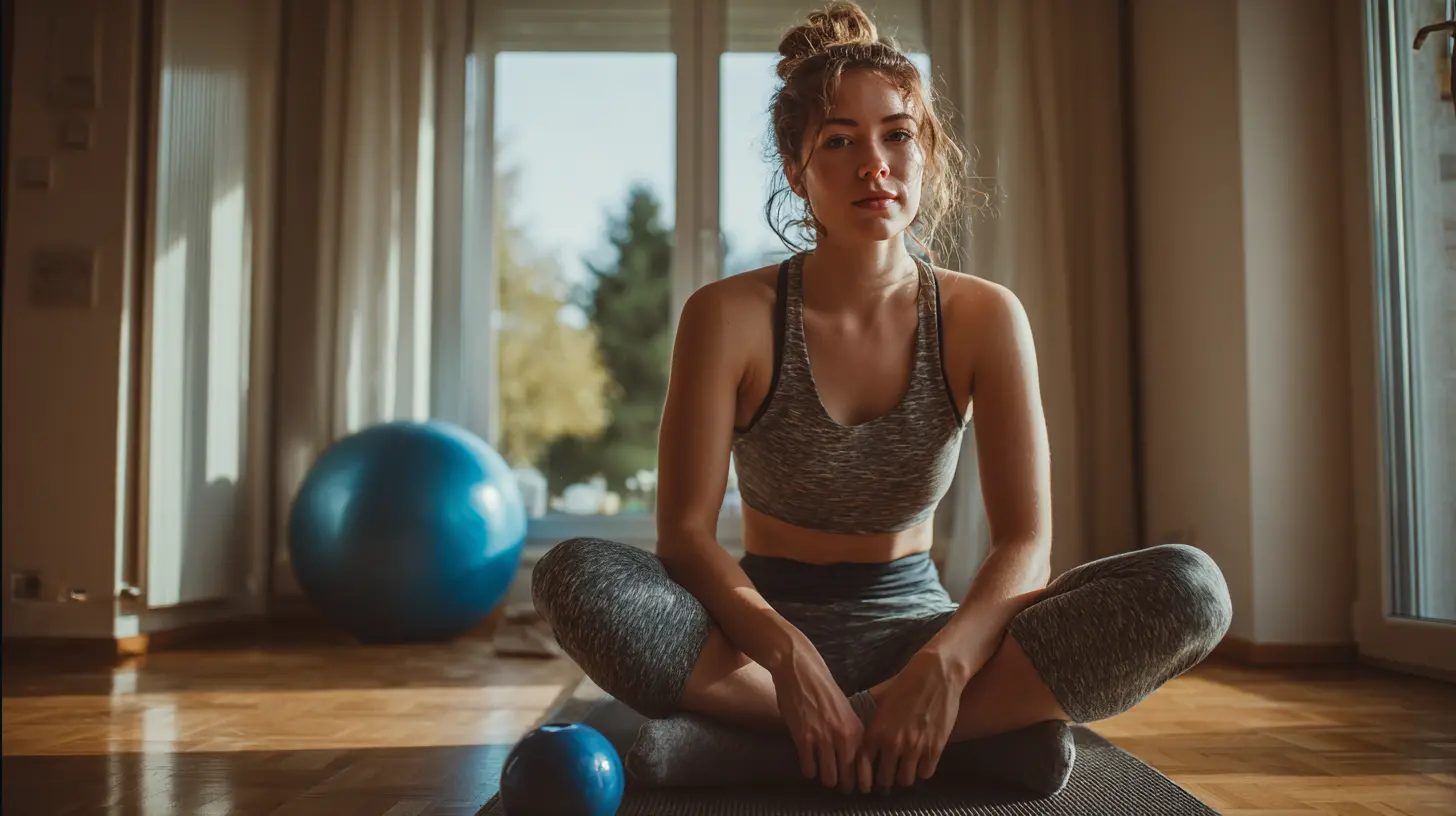
This is perhaps the most important concept for sustainable health in 2027. We are breaking the tyranny of the “60-minute workout or bust” mentality. Instead, we are grazing on movement all day long.* The Pomodoro Principle for Your Body: Set a timer for every 25-30 minutes of seated work. When it goes off, you move for 2-3 minutes. Do some cat-cow stretches, march in place, do a few sun salutations, or simply walk to a far corner of your house and back. These tiny breaks reset your posture, boost circulation, and clear brain fog. They are like hitting the refresh button on your entire system.
* Task-Stacking with Movement: Pair a habitual task with a simple movement. While your toothbrush does its two-minute cycle, do calf raises or stand on one leg for balance. During phone calls, pace. While streaming your favorite show, commit to moving during the opening credits and every ad break (yes, even the built-in ones!). You’re not adding more to your day; you’re upgrading what you’re already doing.
Think of it this way: sitting for hours is like leaving your car parked in a damp garage—things start to seize up. These micro-movements are like turning the engine over, letting the fluids circulate, and ensuring everything runs smoothly when you need it.
Cultivating Consistency: The Mindset of 2027
All the tech and tips in the world mean nothing without the right mindset. The future of home activity is rooted in self-compassion and intelligent design.* Forget Perfection, Embrace “Good Enough”: Did you only do 5 minutes of yoga instead of 30? Fantastic. You moved. That’s a win. The all-or-nothing mindset is the single biggest killer of consistency. In 2027, we understand that showing up imperfectly is infinitely better than not showing up at all.
* Design Your Environment for Success: Make movement the path of least resistance. Keep a yoga mat rolled out in a corner you pass often. Have a set of resistance bands hanging on your home office chair. Put your favorite workout app icon right on your phone’s home screen. You are more likely to do what is easy and visible.
Find Your “Why” and Make it Joyful: Are you moving to feel stronger for your kids? To ease your back pain? To simply feel more alive in your own skin? Connect to that deeper reason. Then, pair your activity with something you love. Listen to an amazing audiobook or podcast only while you move. Watch that must-see series only* while on your stationary bike or folding laundry. You’re not losing time; you’re enriching it.
Your home in 2027 is more than just walls and a roof. It is the headquarters for your well-being. Staying active within it doesn’t require Herculean effort or expensive overhauls. It asks for intention, a dash of creativity, and the willingness to see every room, every piece of furniture, and every minute as an opportunity to nourish your body with movement. Start small, be kind to yourself, and remember: the best fitness journey isn’t the one that takes you the farthest from home, but the one that helps you feel most at home, and most alive, in your own body.
all images in this post were generated using AI tools
Category:
Fitness At HomeAuthor:

Tiffany Foster
Discussion
rate this article
2 comments
Kendall Ramos
Loved these creative ideas! Staying active at home is so important, and these tips make it fun and easy!
April 25, 2026 at 4:21 AM
Tiffany Foster
Thank you so much! Thrilled you found them fun and easy—staying active at home should feel like a win, not a chore. 😊
Matteo Davis
Great tips for staying fit at home!
April 23, 2026 at 2:45 PM
Tiffany Foster
Thanks! I'm glad you found the tips helpful. Staying active at home can really make a difference!