Simple Ways to Make Every Meal More Nutritious by 2027
15 April 2026
Let’s be honest with each other. The landscape of nutrition is shifting under our feet, and it’s moving fast. Between the buzz of new superfoods, the latest diet trends, and conflicting headlines, figuring out what to put on your plate can feel like navigating a maze blindfolded. But what if the goal wasn’t about restriction or chasing fads? What if, by 2027, the simple, sustainable act of eating could be your most powerful tool for vitality?
This isn’t about a radical overnight overhaul. It’s about a quiet evolution—a series of small, intentional upgrades to your daily meals that compound over time, much like a steady investment grows your financial health. By 2027, making every meal more nutritious won’t be a chore; it will be second nature, a seamless part of how you live. Here’s your practical, no-nonsense guide to building that future, one plate at a time.
The Foundation: Rethinking Your Plate Architecture
Before we add anything, we need to look at the blueprint. For decades, we’ve been served the image of a plate dominated by a large piece of protein with a side of carbs and a token vegetable. It’s time for a renovation.The 2027 Plate: Plants Take Center Stage
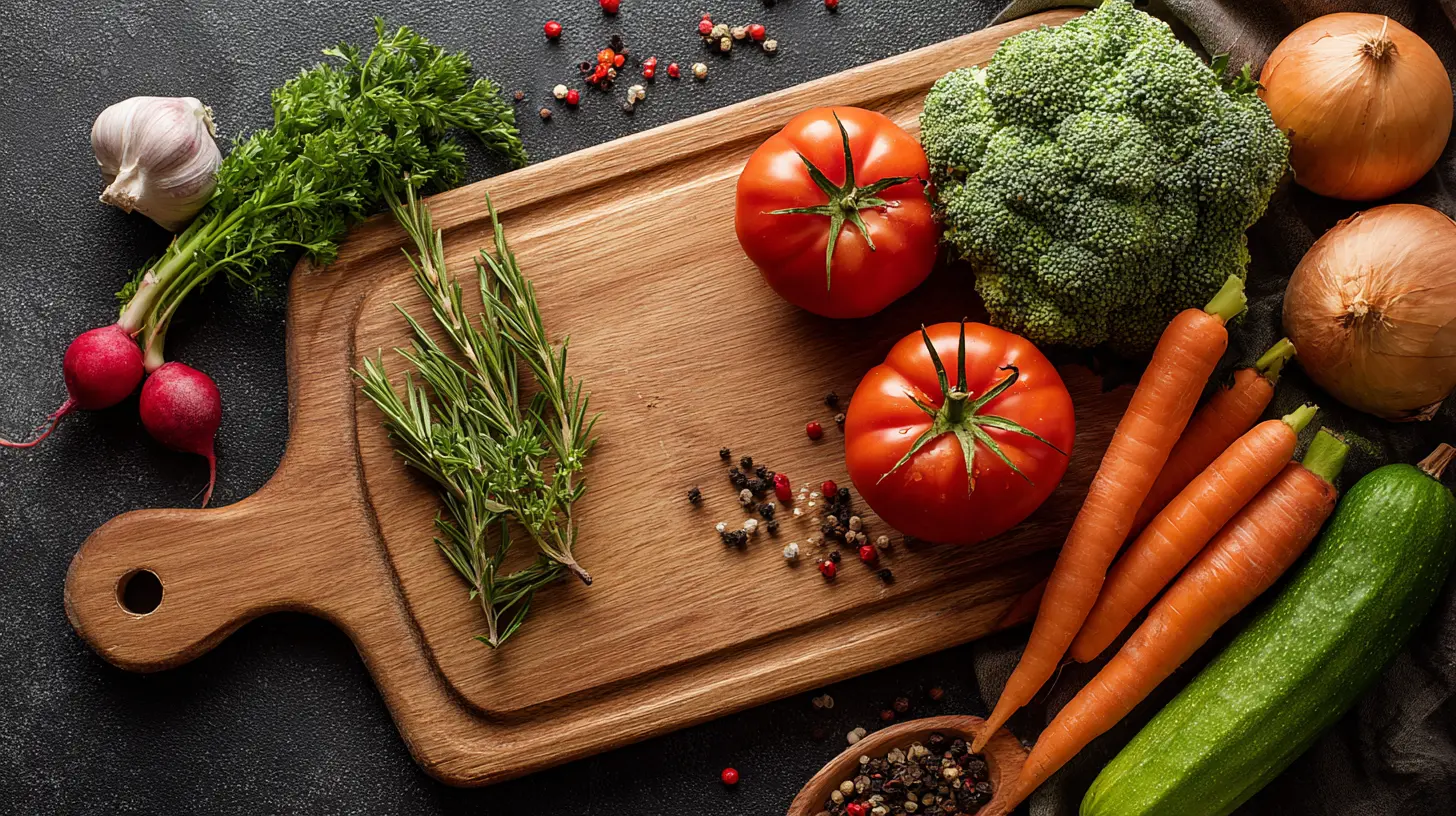
Imagine your dinner plate as a vibrant garden. By 2027, the majority of that real estate—aim for 50%—should be dedicated to non-starchy vegetables and fruits. Think of them as the foundational infrastructure: they provide the essential vitamins, minerals, fiber, and phytonutrients that your body’s systems run on. This isn’t just a salad; it’s roasted broccoli, sautéed spinach, a colorful medley of bell peppers, or a generous serving of mixed berries. They are the high-volume, low-calorie crowd that fills you up and fuels your cellular machinery.Protein as a Strategic Partner, Not the Main Event
Protein is crucial, but its role is changing. Instead of a giant, singular slab, envision protein as a strategic component, taking up about 25% of your plate. The shift here is towards diversity and quality. We’re talking about plant-based proteins like lentils, chickpeas, tofu, and tempeh playing a much bigger role alongside sustainably sourced fish, poultry, and eggs. This diversification isn’t just good for your body; it’s a nod to planetary health. It’s about getting what you need without overburdening the system.Complex Carbohydrates: The Sustained Energy Grid
The final 25% is for intelligent carbohydrates—the ones that provide steady, reliable energy, not a sudden spike and crash. This is where whole grains like quinoa, farro, brown rice, and oats come in, as well as starchy vegetables like sweet potatoes and squash. These are your slow-burning logs on the fire, ensuring your energy levels are consistent and your brain is fed. They are the complex grid that supports the entire operation.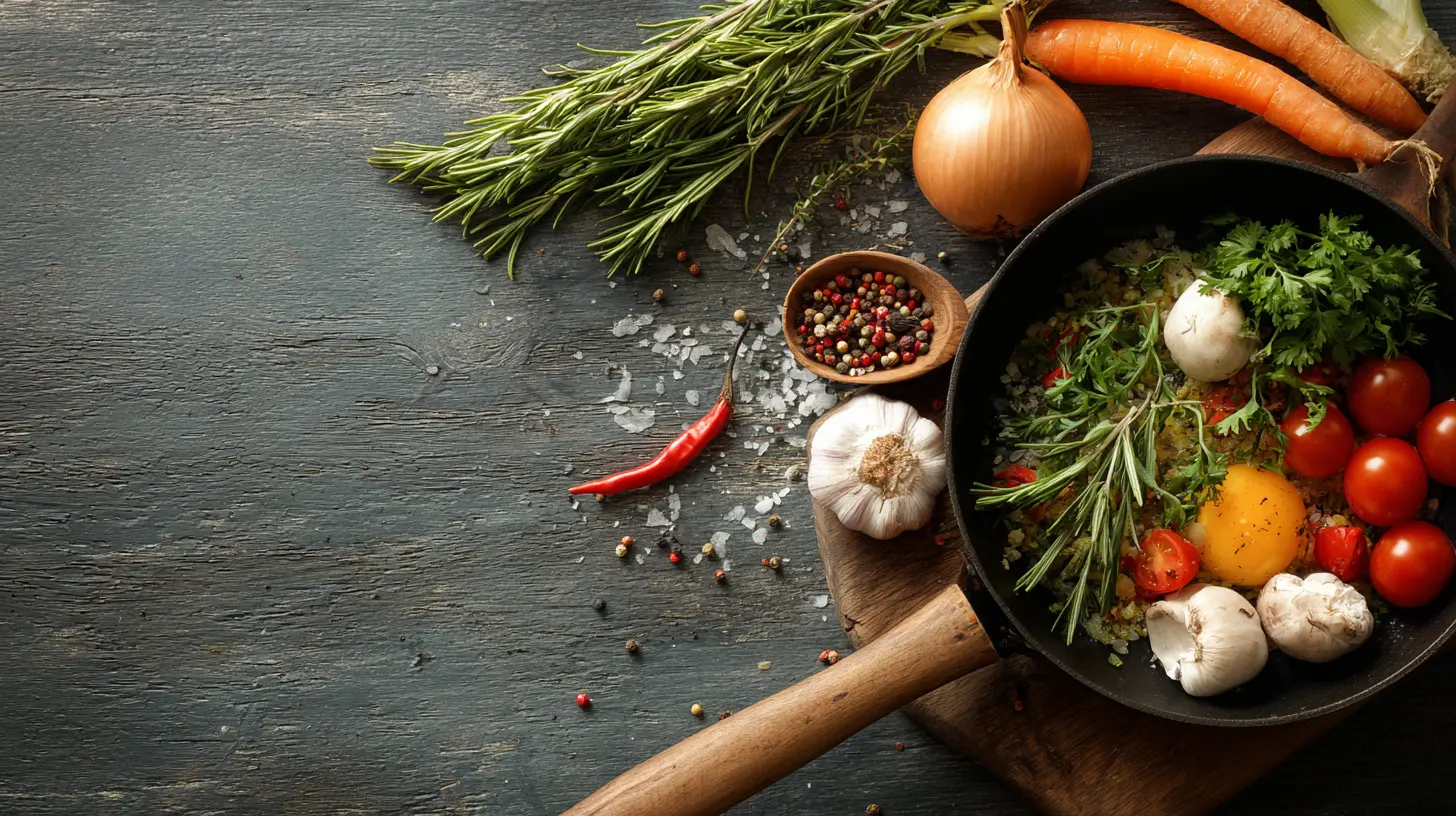
The 2027 Kitchen Strategy: Upgrading Your Ingredients
With your new plate blueprint in mind, let’s stock the kitchen for success. This is where the magic of incremental upgrades happens.The "First In, First Out" Fiber Rule
Fiber is the unsung hero of nutrition, and by 2027, it will be a non-negotiable target in every meal. A simple rule? Make the first ingredient you think of for any meal a fiber source. Planning breakfast? Think oats or chia seeds first, then build around them. Lunch? Start with a base of leafy greens or beans. Dinner? Vegetables lead the dance. This single mental switch ensures you’re consistently hitting your fiber goals, which supports gut health, blood sugar control, and satiety. Your gut microbiome, that vast ecosystem inside you, will thank you profusely.The Fat Quality Revolution
The fear of fat is over. The new conversation is entirely about quality. By 2027, we’ll automatically reach for fats that come with benefits. This means:* Drizzling extra virgin olive oil on finished dishes.
* Adding a small handful of nuts or seeds (walnuts, almonds, flax, pumpkin) to salads, yogurts, and oats.
* Using avocado as a creamy fat instead of heavier spreads.
These fats are like high-grade lubricants for your body’s joints, hormones, and brain. They help you absorb fat-soluble vitamins (A, D, E, K) from all those vegetables you’re now eating. It’s a synergistic relationship.
The Spice Rack as a Medicine Cabinet
Your spices and herbs are not just flavor agents; they are concentrated sources of antioxidants and anti-inflammatory compounds. Turmeric, ginger, cinnamon, oregano, rosemary, garlic—these are your flavor-packed nutritional boosters. Making a meal more nutritious can be as simple as being generous with your spice blends. It’s like adding a powerful, protective shield to your food with every shake of the jar.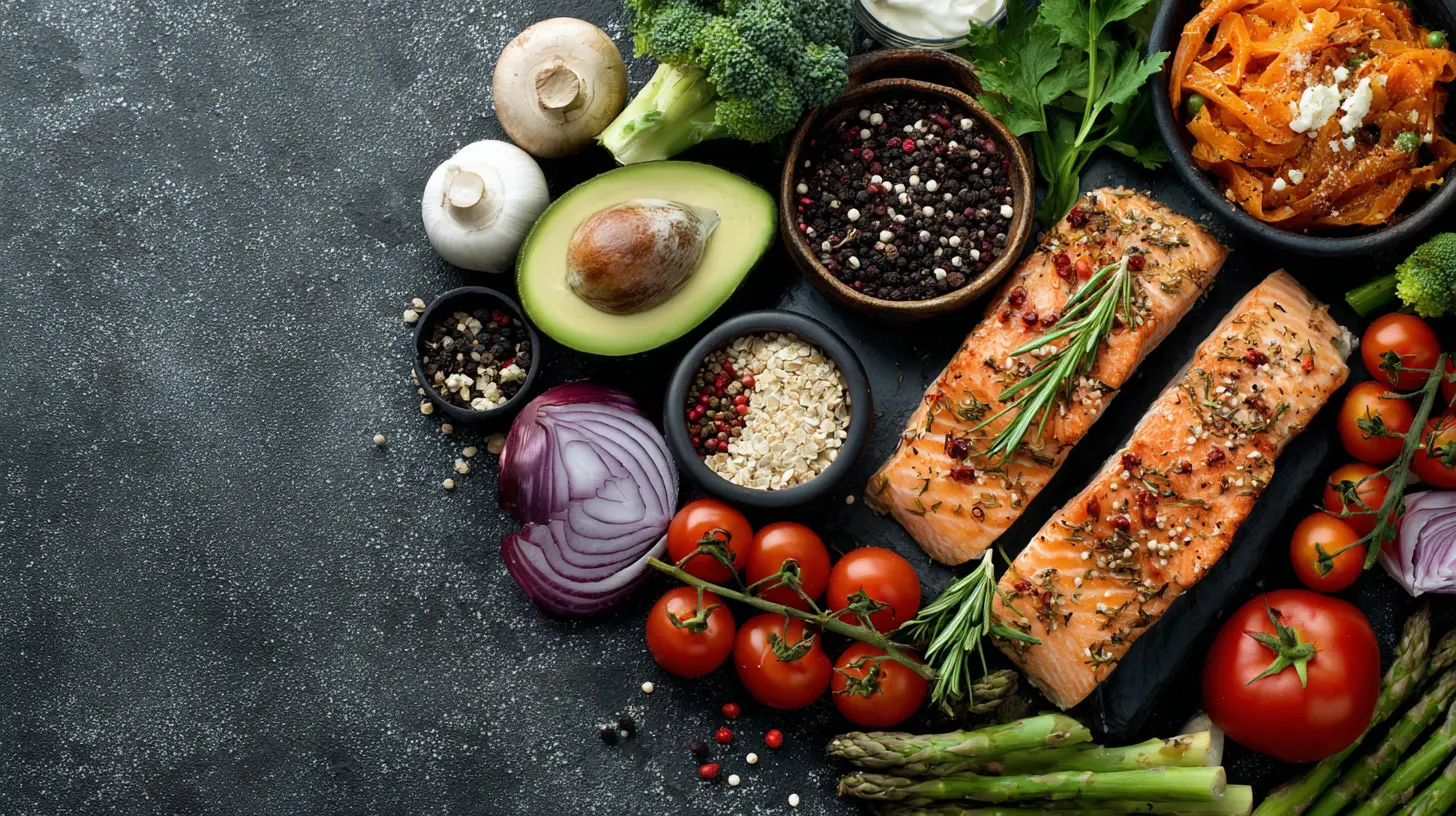
The Practical Tactics: Simple Swaps and Additions
Theory is great, but let’s get tactical. How does this actually look at 6 PM on a busy Tuesday?The "Blend and Extend" Method
You don’t have to go fully plant-based to benefit from the trend. Use the "blend and extend" strategy. When making a bolognese, blend mushrooms or lentils into your ground meat. Add grated zucchini or carrots to your muffin batter. Mix riced cauliflower into your rice or quinoa. This isn’t about trickery; it’s about seamlessly increasing the nutrient and fiber density of familiar dishes. It’s like quietly upgrading the engine of your car without changing the body.The Power of the Topping
This is perhaps the easiest hack of all. A meal is just a canvas until you add the toppings. Keep a roster of "power toppings" in your fridge and pantry:* A jar of toasted seeds (sesame, sunflower, pumpkin).
* A container of pre-chopped herbs (parsley, cilantro, basil).
* A bag of nuts.
* Nutritional yeast for a cheesy, B-vitamin boost.
* A bottle of high-quality olive oil and vinegar.
Sprinkling these on a soup, salad, grain bowl, or even a piece of fish instantly elevates the texture, flavor, and nutritional profile. It’s the finishing touch that makes the meal.
Rethink Your Cooking Medium
How you cook is as important as what you cook. Steaming, roasting, sautéing, and poaching preserve more nutrients than deep-frying. When you do sauté, use broth or water instead of excessive oil. When you roast, embrace the caramelization of vegetables—it brings out their natural sweetness without needing to add much else. Your cooking method is the conductor, orchestrating how the nutrients in your food are finally presented to your body.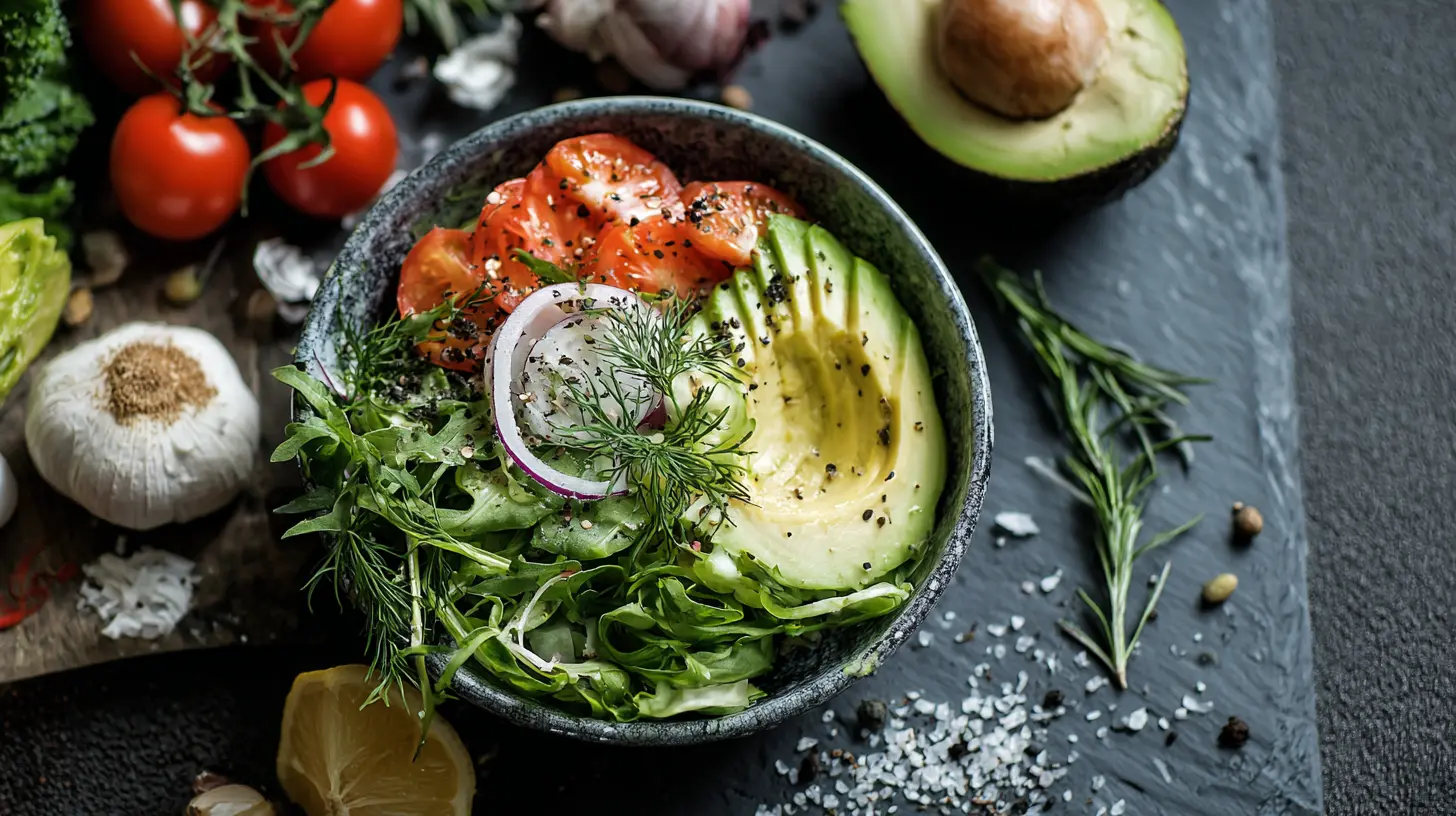
The Mindset Shift: Eating for 2027 and Beyond
All these tactics are powered by one crucial engine: your mindset. Nutrition by 2027 is moving away from short-term dieting and towards long-term nourishment.Cultivate Culinary Curiosity
Make it a goal to try one new nutritious ingredient each month. Have you ever cooked with freekeh? How about using tahini in a dressing? What does jackfruit taste like? This curiosity keeps your meals exciting and automatically expands your nutritional intake. It turns eating from a routine into a gentle, ongoing exploration.Listen to Your Body's Signals
By 2027, the most advanced nutrition tool you own won’t be an app; it will be your own ability to listen. Are you eating out of habit or true hunger? Do certain foods make you feel energized or sluggish? This mindful connection—eating slowly, savoring flavors, stopping when comfortably full—ensures you are meeting your body’s actual needs, not just following a rigid plan. It’s the difference between reading a map and having an internal compass.Plan for Consistency, Not Perfection
A single "perfect" meal means very little. What matters is the consistent pattern over weeks, months, and years. Don’t let one less-nutritious choice derail you. See it as a single data point in a long, positive trend. The goal is progress, not perfection. It’s about building a resilient, flexible approach to eating that can withstand the realities of life.Conclusion: Your Plate, Your Future
Making every meal more nutritious by 2027 isn’t a distant, complex scientific achievement. It is the cumulative result of daily, deliberate choices. It starts with reimagining your plate, continues with upgrading your ingredients, and is sustained by a curious and compassionate mindset.You are the architect of your own health. Each time you add a handful of spinach to your smoothie, choose a whole grain, drizzle on some good fat, or sprinkle seeds over your soup, you are laying a brick in the foundation of your future vitality. These actions are small, but their compound effect is extraordinary. So, start today. Pick one strategy from this guide and implement it. Before you know it, by 2027, you won’t be thinking about how to make meals nutritious—you’ll simply be living it.
all images in this post were generated using AI tools
Category:
Cooking TipsAuthor:

Tiffany Foster
Discussion
rate this article
2 comments
Ulrich Blevins
Small tweaks today, big health rewards tomorrow—let’s get started!
April 20, 2026 at 3:00 AM
Tiffany Foster
Absolutely! Small changes now can lead to lasting benefits. Let's make those meals count!
Chloe Roth
By 2027, if your meals aren't nutritious, are you even trying? Let’s step up our game and stop treating food like a background character—make it the star of the show! Nutrient-rich and fabulous is the only way to go!
April 16, 2026 at 2:27 AM
Tiffany Foster
I love that perspective! Food should definitely take center stage in our lives. Let's make every meal count!