Rewire Your Brain: Neuroplasticity and Mental Wellness
13 August 2026
Have you ever thought about how cool our brains really are? They’re like the supercomputers of our bodies, constantly interpreting, learning, and adapting to the world around us. But here’s the kicker: unlike your regular ol’ computer, our brain doesn’t come with a fixed hardware setup. It’s a lot more flexible, a lot more adaptable—thanks to this amazing thing called neuroplasticity. Don’t worry if the term sounds fancy; I’ll break it down in a way that makes it click for you, like a lightbulb moment!
In this article, we're diving deep into the fascinating world of neuroplasticity and exploring how it relates to mental wellness. By the time you’re done reading, you’ll understand how to tap into your brain's superpower and rewire it for the better. Ready? Let’s go! 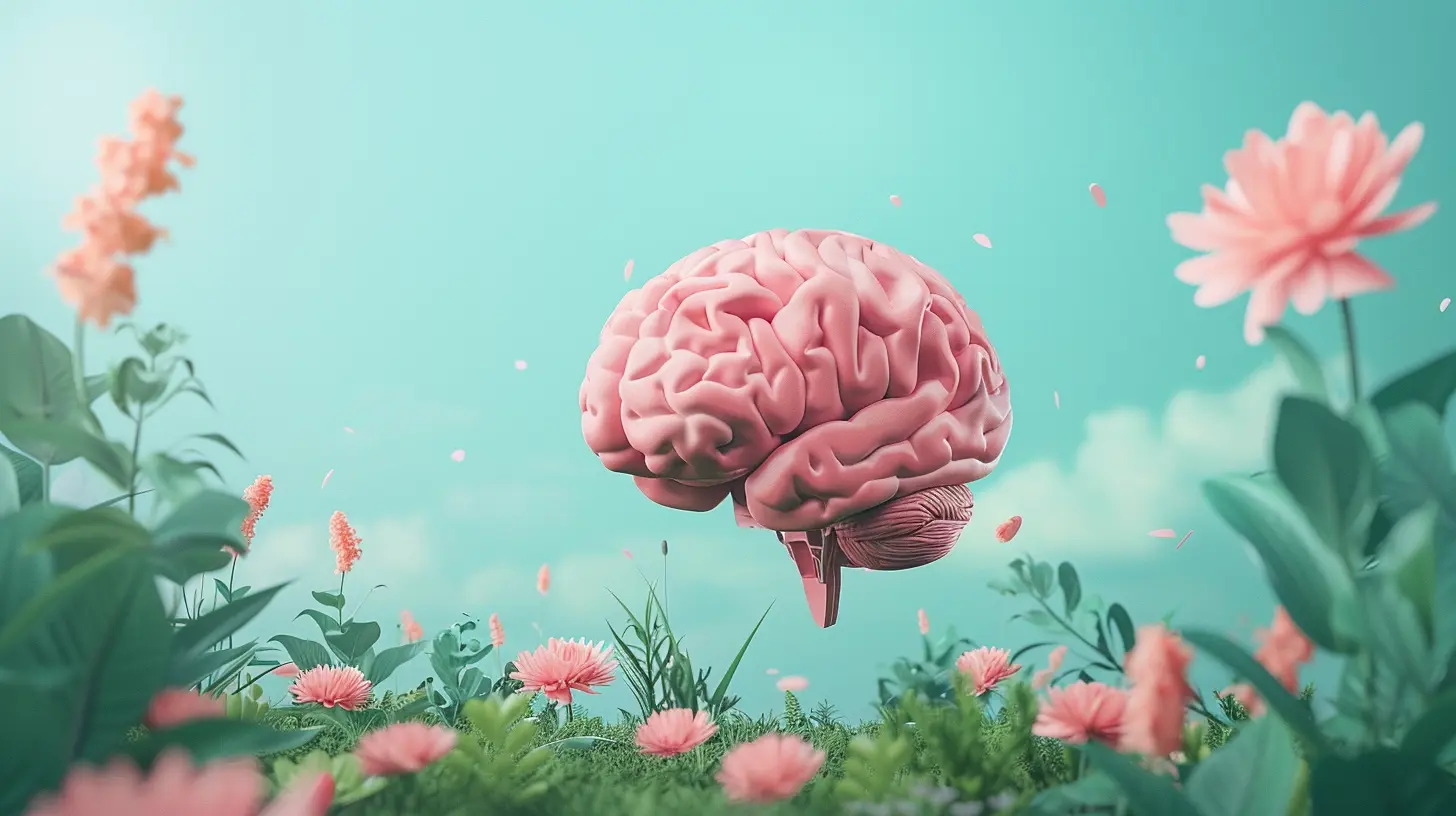
What Is Neuroplasticity?
Alright, let’s start with the basics. Neuroplasticity is just a fancy way of describing your brain’s amazing ability to change, adapt, and even rewire itself. Think of it like remodeling a house. You’ve got the foundation and the structure, but you can knock down walls, repaint rooms, and even build an entirely new wing if needed.At its core, neuroplasticity is the brain’s way of saying, “Hey, I can learn new tricks, even if I’m not a young pup anymore!” Scientists used to believe that once we hit adulthood, our brains were pretty much set in stone. Turns out, they were wrong. Research has shown that our brains remain flexible throughout our lives. That’s right—your brain is like Play-Doh! Moldable, changeable, and totally up for a challenge. 
Why Does Neuroplasticity Matter for Mental Wellness?
Okay, so you might be wondering, “What does this have to do with me being happy, calm, or mentally balanced?” Great question! Neuroplasticity plays a HUGE role in mental wellness. Here’s the deal: your brain is constantly creating new neural pathways. These are like little highways for your thoughts, emotions, and behaviors to travel on.Now, sometimes, we end up with "bad traffic." Maybe you’ve been stuck in negative thought loops or struggling with anxiety, depression, or self-doubt. That’s because your brain has well-worn highways to those negative patterns. But—and this is where neuroplasticity shines—you can build NEW highways. You can teach your brain healthier habits, reframe your mindset, and create a more positive mental landscape. How cool is that? 
The Science Behind Neuroplasticity
Let’s geek out for a second, shall we? Your brain is made up of billions of neurons (nerve cells), and these neurons communicate with each other through connections called synapses. When you learn or experience something new, your brain either strengthens existing connections or builds entirely new ones.Think of it like working out at the gym. The more you lift a certain weight, the stronger that muscle becomes. Similarly, the more you practice a skill, thought pattern, or behavior, the stronger those neural connections become. Scientists often say, “Neurons that fire together, wire together.” In other words, repetition is key! 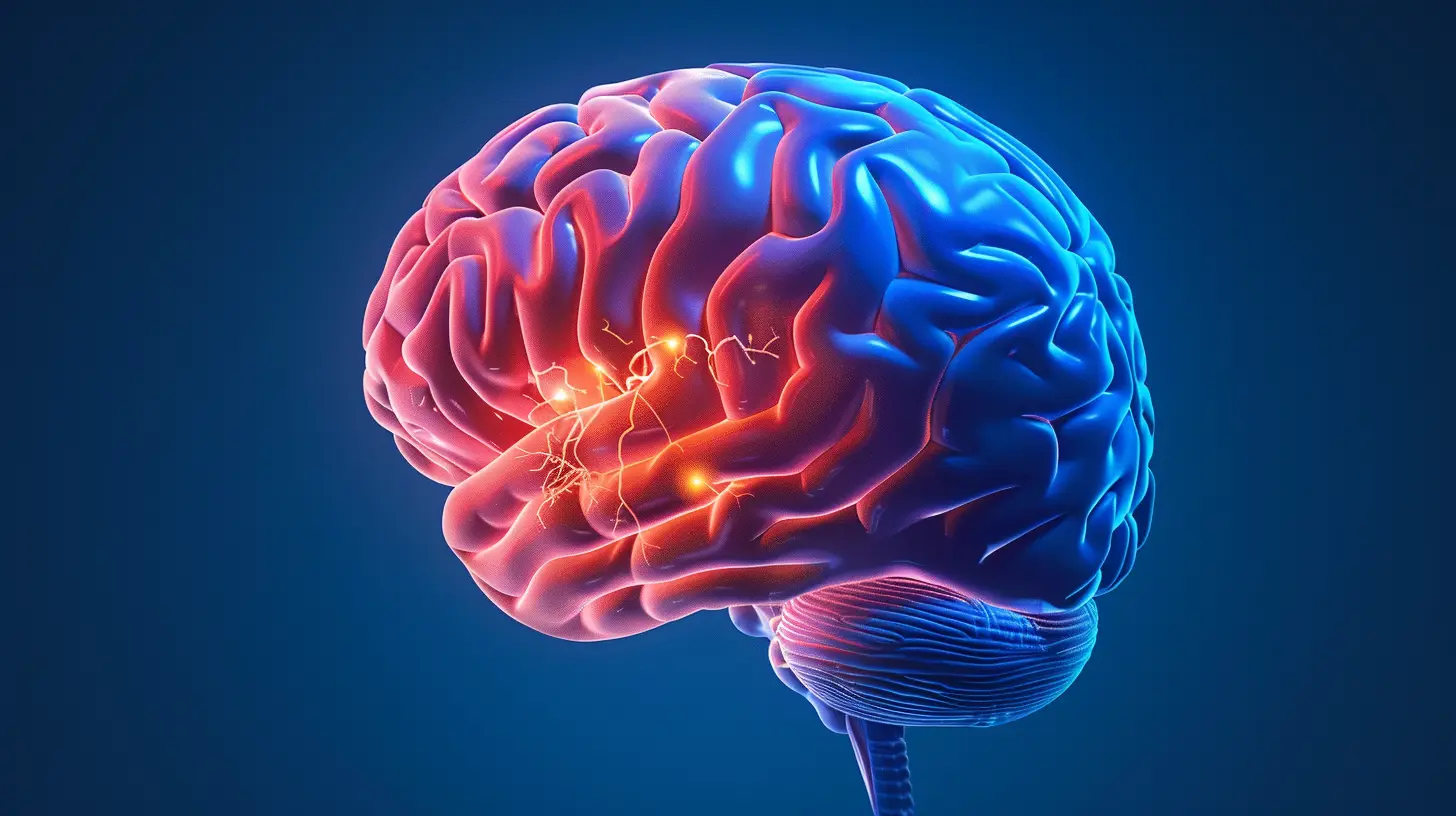
How Neuroplasticity Can Help You Break Bad Habits
Got a bad habit you want to ditch? Maybe it’s mindlessly scrolling on your phone, procrastinating on important tasks, or indulging in junk food more often than you’d like. The good news? Neuroplasticity is your secret weapon for breaking free.Here’s a simple way to think about it: breaking a bad habit is like closing down a highway. At first, it feels super inconvenient. Traffic gets backed up, and your brain’s like, “Wait, where do I go now?” But over time, your brain will start building alternative routes—aka better habits. Before you know it, the old highway is abandoned, and the new one becomes the go-to path.
Practical Ways to Rewire Your Brain
Now the big question: how can you actually rewire your brain? Here are some actionable tips you can try starting today:1. Practice Gratitude
Let’s start small. Every morning or evening, jot down three things you’re grateful for. Gratitude activates areas in your brain associated with positivity and contentment. Over time, you’ll notice it’s easier to find joy in everyday moments.2. Mindfulness and Meditation
Yes, I know everyone and their dog talks about meditation, but there’s a reason why—it works! Meditation helps train your brain to focus and stay calm. It’s like giving your brain a mini spa day. Even just five minutes a day can make a difference.3. Challenge Negative Thoughts
Ever catch yourself thinking, “I can’t do this” or “I’m not good enough”? Stop right there. Those thoughts are just old highways your brain is used to cruising on. Challenge them by asking, “Is this really true?” Replace them with more empowering beliefs.4. Learn Something New
Whether it’s a new language, an instrument, or even a dance move, learning something new fires up your neurons and builds fresh connections. Plus, it’s fun!5. Exercise Regularly
You’ve probably heard this a million times, but exercise isn’t just for your body—it’s for your brain too. Physical activity releases feel-good chemicals like endorphins and helps grow new brain cells. Cool, right?6. Set Small, Achievable Goals
Don’t try to take over the world in one day. Break your goals into bite-sized chunks. Every time you achieve a small goal, your brain gets a hit of dopamine, the happy chemical. This motivates you to keep going!Neuroplasticity and Emotional Resilience
Life throws curveballs—we all know that. But here’s the silver lining: neuroplasticity can help you bounce back stronger. By training your brain to shift away from negative spirals and focus on solutions, you build emotional resilience. Think of it like mental jiu-jitsu. Instead of letting tough situations knock you down, you learn to pivot and adapt.Over time, this creates a more balanced and optimistic outlook on life. It’s not about ignoring challenges; it’s about rewiring your brain to handle them with grace and grit.
The Role of Sleep in Brain Rewiring
Quick question: how’s your sleep these days? If you’re skimping on rest, your brain isn’t happy about it. Sleep is when your brain does some of its best work—repairing, reorganizing, and consolidating memories. It’s like hitting the “Save” button after a long day.Good sleep hygiene includes sticking to a regular schedule, avoiding screens before bed, and creating a calming nighttime routine. Trust me, your brain will thank you!
Final Thoughts: You Have the Power to Rewire Your Brain
Here’s the bottom line: you’re not stuck. Whatever mental patterns or habits you’ve got going on, neuroplasticity gives you the power to change them. Sure, it takes time, effort, and a bit of patience, but the payoff is so worth it. Imagine living a life where your default setting is optimism, resilience, and mental clarity. Sounds pretty amazing, right?So, don’t wait for the stars to align or for the perfect moment to start. Begin today. Even the smallest steps can lead to big transformations. Your brain is like a garden—what will you plant in it?
all images in this post were generated using AI tools
Category:
Healthy MindAuthor:

Tiffany Foster