Recovery Essentials After Intense Strength Workouts
6 May 2026
Strength training pushes your body to its limits, tearing down muscle fibers so they can rebuild stronger. But what happens after that last rep? Recovery. And trust me, it's just as important as the workout itself. If you’re not prioritizing your recovery, you’re leaving gains on the table.
So, let’s dive into the must-have recovery essentials that’ll help you bounce back faster, reduce soreness, and maximize results. 
Why Recovery Matters
Think of your body like a high-performance car. You wouldn't drive it full throttle every day without maintenance, right? Recovery is your body's repair and maintenance phase. Without it, you risk injuries, burnout, and stalled progress.Proper recovery offers:
- Muscle Repair & Growth – Strength workouts cause micro-tears in muscle fibers. Recovery helps them heal and grow stronger.
- Injury Prevention – Overtraining without rest increases injury risk.
- Better Performance – A well-rested body performs better in the gym.
- Reduced Soreness – No one enjoys feeling like a stiff robot the next day.
Now that we’ve established its importance, let’s break down recovery essentials you need to master. 
1. Prioritize Post-Workout Nutrition
What you put into your body after lifting is crucial for muscle repair.Protein Is King
Your muscles are starved for protein after an intense session. Aim for 20-40g of high-quality protein within 30-60 minutes post-workout. Some great options:- Whey protein shake
- Greek yogurt with berries
- Grilled chicken with rice
Carbs: The Unsung Hero
Carbs replenish glycogen stores, your main energy source. Don’t fear carbs—embrace them! Fast-digesting options like bananas, rice, or sweet potatoes work best.Hydration for Recovery
You sweat out more than just water. Replace lost electrolytes by sipping on water throughout the day. Coconut water or electrolyte tablets can also help.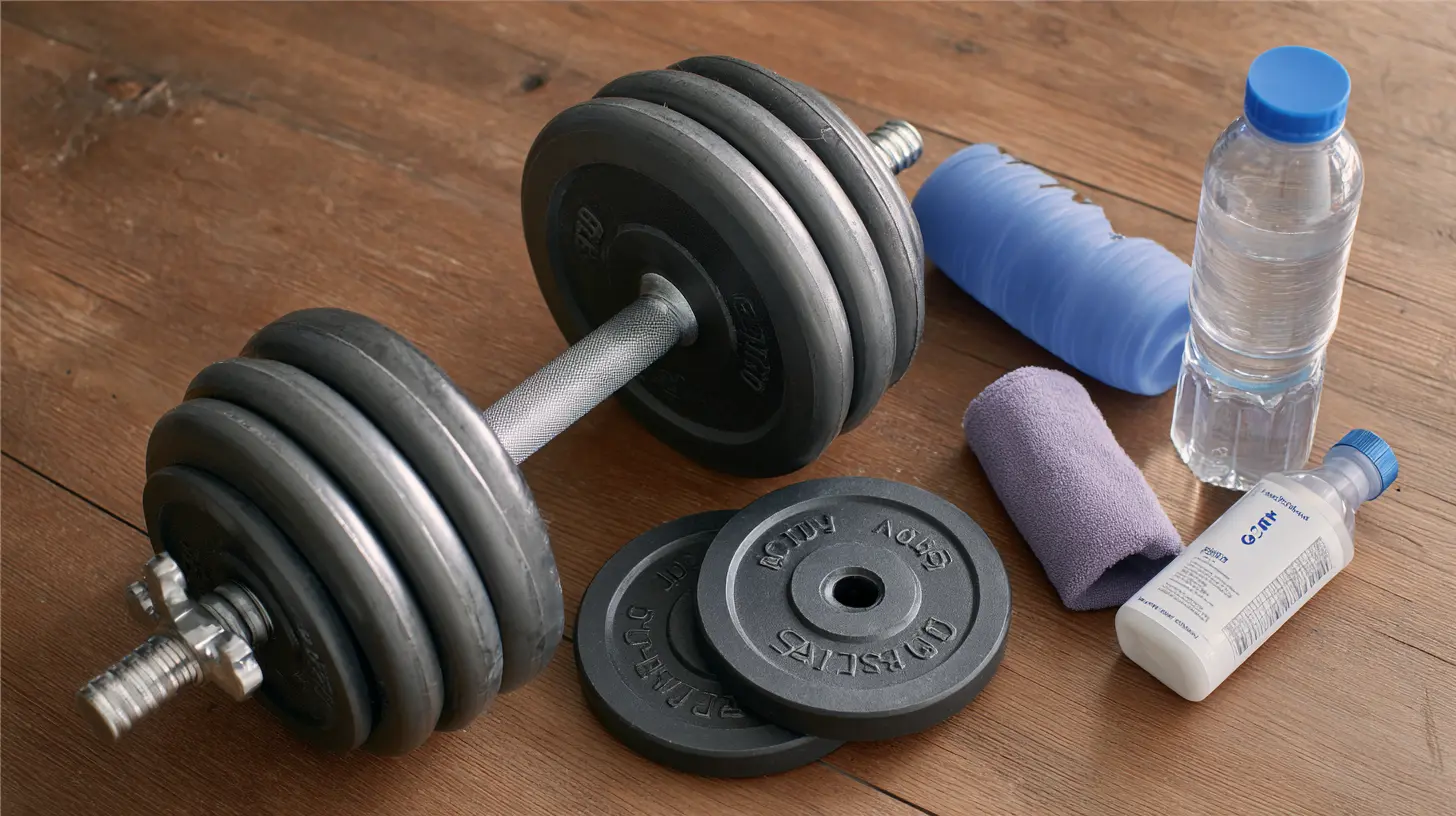
2. Sleep: Your Secret Weapon
Nothing beats good quality sleep when it comes to muscle repair. Your body produces growth hormone while you snooze, aiding muscle recovery.How to Improve Sleep for Better Recovery:
- Aim for 7-9 hours every night.- Avoid screens at least 30 minutes before bedtime (blue light messes with melatonin).
- Keep your room cool and dark.
- Try magnesium or chamomile tea to relax before bed.
Skipping sleep? Say hello to tired, sluggish workouts. 
3. Active Recovery – Keep Moving
Rest doesn’t mean turning into a couch potato. Active recovery helps keep blood flowing, delivering nutrients to sore muscles and flushing out waste products like lactic acid.Best Active Recovery Methods:
- Light stretching – Focus on areas that feel tight.- Foam rolling – Helps break up muscle knots and improves circulation.
- Yoga – Great for mobility and relaxation.
- Walking or cycling – Low-intensity movement is your friend.
A little movement goes a long way!
4. The Magic of Foam Rolling & Stretching
Foam rolling is like a free deep-tissue massage. It helps release muscle tightness, improve flexibility, and prevent injuries.How to Foam Roll Properly:
- Spend 30-60 seconds per muscle group.- Apply gentle pressure—don’t rush it.
- Focus on sore areas, but avoid rolling directly on bones or joints.
Pairing rolling with dynamic stretching (before workouts) and static stretching (after workouts) makes a huge difference. Flexibility equals better performance and reduced injury risk.
5. Supplements to Boost Recovery
While whole foods are best, supplements can give you an extra edge. Here are a few worth considering:Top Recovery Supplements:
- Whey Protein: Helps rebuild muscle faster.- Creatine Monohydrate: Aids strength recovery and muscle hydration.
- BCAAs (Branched-Chain Amino Acids): Reduce muscle soreness.
- Magnesium: Supports muscle relaxation and prevents cramps.
- Omega-3s: Fight inflammation and speed up healing.
Supplements aren’t magic, but they can help fill nutritional gaps when needed.
6. Managing Muscle Soreness
DOMS (Delayed Onset Muscle Soreness) is that painful stiffness you feel 24-48 hours after a workout. Don’t worry—it’s a good sign your muscles are adapting.Quick Fixes for Sore Muscles:
- Contrast Showers – Alternating hot and cold water improves circulation.- Epsom Salt Baths – Magnesium absorption helps relax muscles.
- Massage Therapy – Loosens muscle knots and boosts recovery.
- Compression Gear – Increases blood flow, reducing soreness.
If it hurts, don’t panic—just give your body what it needs!
7. Managing Stress Levels
Did you know stress slows down recovery? High cortisol (stress hormone) levels interfere with muscle growth.How to Lower Stress for Better Recovery:
- Practice deep breathing or meditation.- Take rest days seriously—your body needs them!
- Laugh more—seriously, it helps!
- Reduce caffeine intake if anxiety is an issue.
A calm mind equals a recovered body.
8. Listen to Your Body
Your body is constantly communicating with you. Fatigue, extreme soreness, or lingering pain are signals you shouldn’t ignore.Signs You Need More Recovery:
- Workouts feel harder than usual.- You’re tired all the time.
- You’re getting sick more often.
- Your performance is declining.
If this sounds like you, take extra time off or deload (reduce workout intensity for a week). Recovery is a long game—play it smart.
Final Thoughts
Muscles aren't built in the gym—they’re built during recovery. If you’re pushing heavy weights but neglecting rest, your progress will stall.By fueling your body, sleeping well, staying active, and managing stress, you’ll recover faster, feel stronger, and keep crushing workouts.
So, next time you finish a brutal strength session, don’t just chug a protein shake and hope for the best. Prioritize recovery—and watch your gains skyrocket.
all images in this post were generated using AI tools
Category:
Strength TrainingAuthor:

Tiffany Foster
Discussion
rate this article
2 comments
Kevin McGuire
Focus on nutrition and rest to maximize recovery and enhance your gains.
June 9, 2026 at 2:27 PM
Tiffany Foster
Absolutely! Nutrition and rest are key to recovery. They really help in making those gains count.
Danica Jordan
After intense strength workouts, recovery is crucial for optimal muscle repair and growth. Focus on hydration, balanced nutrition, and rest. Incorporating stretching and mobility work can enhance recovery and reduce the risk of injury. Listening to your body and adjusting your routine accordingly is key.
May 9, 2026 at 3:19 AM
Tiffany Foster
Absolutely, recovery is essential. Hydration, nutrition, and rest play key roles, along with stretching to prevent injuries. Listening to your body helps tailor your recovery approach effectively.