Organic Protein Sources for Vegetarians and Vegans
19 May 2026
Protein is a crucial macronutrient that plays a vital role in building and repairing tissues, producing enzymes and hormones, and supporting overall health. However, when following a vegetarian or vegan diet, many people worry about getting enough high-quality protein. The good news? There are plenty of organic, plant-based protein sources that can help meet your daily needs.
In this guide, we'll dive into some of the best organic protein sources for vegetarians and vegans. Whether you're an athlete looking to build muscle or just want to stay healthy, these options have got you covered. 
Why Is Protein Important for Vegans and Vegetarians?
Before we get into the protein sources, let’s quickly talk about why protein is such a big deal. Your body relies on protein to:- Build and repair muscles
- Support immune function
- Keep bones strong
- Help with enzyme and hormone production
For vegans and vegetarians, it’s important to ensure you're getting all nine essential amino acids, which are typically abundant in animal-based foods. Luckily, with a well-balanced diet, plant-based eaters can still meet their protein needs naturally and healthily. 
Best Organic Protein Sources for Vegetarians and Vegans
Now, let’s get into the real stuff—the best organic protein sources that fit a plant-based lifestyle.1. Lentils
Lentils are a powerhouse of plant-based protein. With about 18 grams of protein per cooked cup (198g), they are an excellent option for vegans and vegetarians alike.Why Choose Lentils?
- High in fiber, which aids digestion- Loaded with essential nutrients like iron, folate, and potassium
- Great for heart health and managing blood sugar
Lentils are also incredibly versatile—use them in soups, salads, or even veggie burgers for an extra protein boost.
2. Chickpeas (Garbanzo Beans)
Chickpeas are another fantastic protein source, offering about 15 grams of protein per cooked cup (164g).Why Choose Chickpeas?
- Rich in fiber, helping with digestion and weight management- Good source of iron and magnesium
- Can be used in a variety of dishes—from hummus to roasted snacks
Try throwing chickpeas in a salad or blending them into a creamy hummus for a satisfying meal.
3. Quinoa
Quinoa is one of the few plant-based proteins that is a complete protein, meaning it contains all nine essential amino acids. A cooked cup (185g) of quinoa has 8 grams of protein.Why Choose Quinoa?
- Gluten-free and easy to digest- Packed with antioxidants and fiber
- Ideal for meal prep—use it as a base for bowls, salads, or side dishes
Quinoa also has a nutty flavor that pairs well with veggies, beans, and tofu.
4. Tofu, Tempeh, and Edamame (Soy-based Proteins)
Soy-based foods are some of the best organic protein sources available.- Tofu: 10 grams of protein per ½ cup (126g)
- Tempeh: 16 grams of protein per ½ cup (85g)
- Edamame: 17 grams of protein per cooked cup (155g)
Why Choose Soy-Based Proteins?
- Complete protein source- Great meat substitute
- Contains bone-supporting calcium and iron
Bake tofu, stir-fry tempeh, or snack on steamed edamame for a simple yet protein-rich option.
5. Nuts and Seeds
Nuts and seeds are small but mighty when it comes to protein content. Some of the best options include:- Almonds: 6 grams of protein per ounce (28g)
- Chia Seeds: 5 grams per ounce (28g)
- Hemp Seeds: 9 grams per ounce (28g)
- Pumpkin Seeds: 7 grams per ounce (28g)
Why Choose Nuts and Seeds?
- Loaded with healthy fats and fiber- Help with brain and heart health
- Great as snacks, toppings, or smoothie additions
Sprinkle chia seeds on oatmeal, snack on almonds, or blend hemp seeds into smoothies for an easy nutritional boost.
6. Seitan (Wheat Gluten)
Seitan, also known as wheat meat, is one of the most protein-dense plant-based foods, boasting 21 grams of protein per 1/3 cup (100g).Why Choose Seitan?
- Closest in texture to meat, making it a great substitute- High in protein while being low in fat
- Versatile—use in stir-fries, sandwiches, or as a meat alternative
If you're not gluten-sensitive, seitan is an excellent way to increase protein intake.
7. Spirulina
Spirulina is a blue-green algae that packs 8 grams of protein per 2 tablespoons (14g). Though it might not be a staple in your kitchen yet, you might want to start incorporating it into your meals.Why Choose Spirulina?
- Packed with antioxidants and anti-inflammatory properties- High in iron and B vitamins
- Can be added to smoothies or sprinkled over salads
It has a slightly earthy flavor, so blending it into smoothies or adding it to energy bars works best.
8. Beans (Black Beans, Kidney Beans, etc.)
Beans are an affordable and protein-packed food source. A cup (172g) of black beans provides 15 grams of protein.Why Choose Beans?
- High in fiber, keeping you full longer- Contains heart-healthy antioxidants
- Great for soups, stews, salads, and veggie tacos
Black beans, kidney beans, or pinto beans—whichever you choose, you'll benefit from their nutrient-rich profile. 
How to Optimize Protein Intake on a Vegan or Vegetarian Diet
If you're worried about meeting your protein needs, here are some easy tips:- Combine protein sources: Pair legumes with whole grains for a complete amino acid profile (e.g., beans and rice).
- Use protein-rich ingredients in snacks: Nut butters, seeds, and protein-packed smoothies can help boost intake.
- Meal prep ahead of time: Planning high-protein meals ensures you're never left scrambling for nutrition.
With a little effort, hitting your daily protein goals on a plant-based diet is totally achievable. 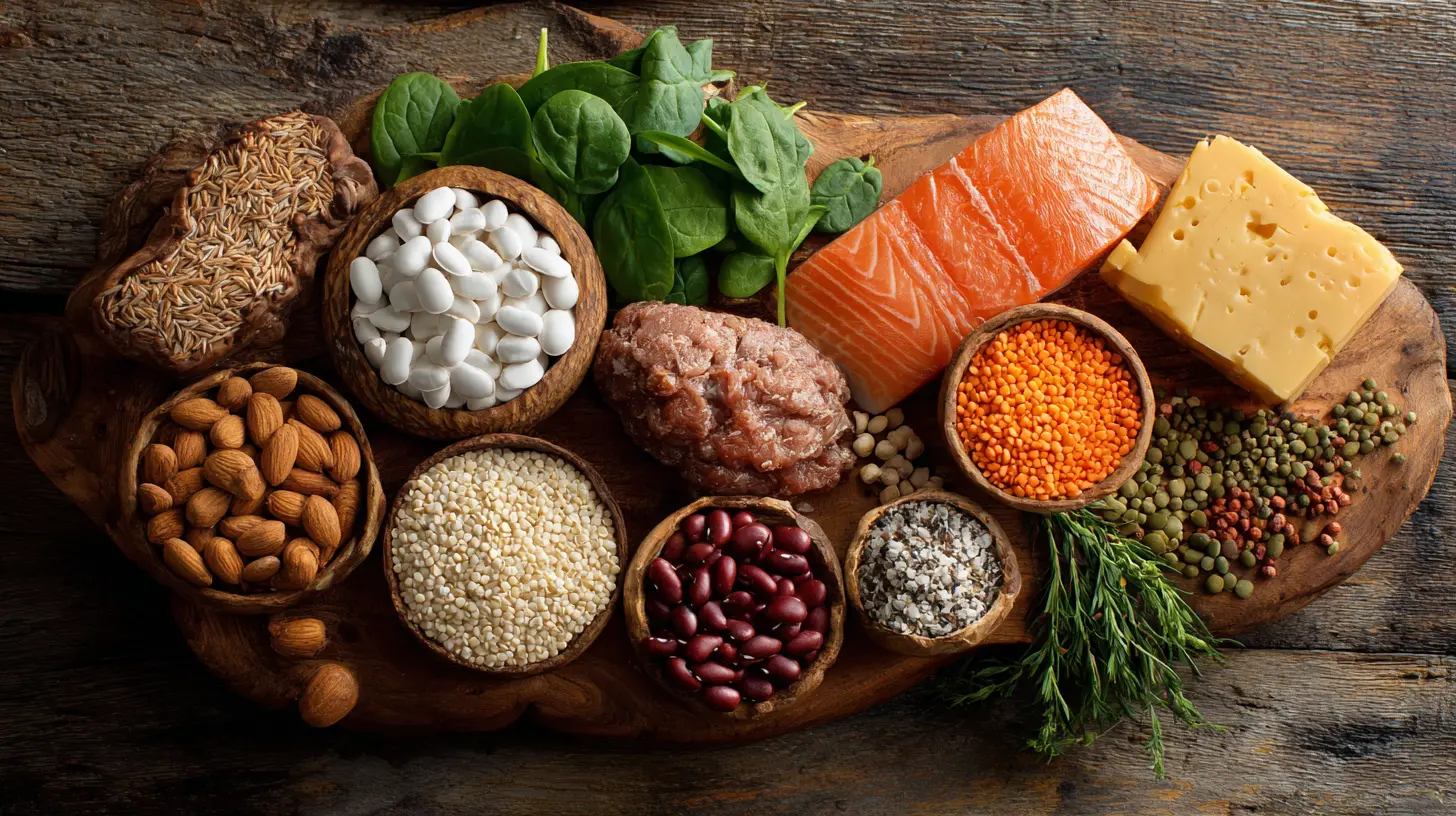
Final Thoughts
Eating a vegetarian or vegan diet doesn’t mean missing out on protein. With plenty of organic, plant-based protein sources, you can get all the nutrients you need to stay strong, energized, and healthy.From lentils and quinoa to tofu and seeds, adding a variety of these foods to your meals will help ensure you're getting enough high-quality protein. So go ahead—get creative in the kitchen and enjoy the many delicious plant-based protein options available!
all images in this post were generated using AI tools
Category:
Organic FoodsAuthor:

Tiffany Foster
Discussion
rate this article
2 comments
Nora Stevens
This article does a great job highlighting diverse organic protein sources for vegetarians and vegans. It covers essential options like legumes, nuts, and seeds, making it easier for plant-based eaters to meet their protein needs while enjoying varied and nutritious meals. Well done!
July 16, 2026 at 3:09 AM
Tiffany Foster
Thank you for your feedback! I'm glad you found the article helpful in exploring diverse protein options.
Juno Bishop
This article offers great insights into organic protein options for vegetarians and vegans. It highlights diverse sources that can easily fit into any diet. It's refreshing to see practical advice that encourages healthy eating without compromising on nutrition or ethics.
May 21, 2026 at 4:22 AM
Tiffany Foster
Thank you for your thoughtful comment! I'm glad you found the insights helpful and practical for a healthy, ethical diet.