Importance of Core Strength in Overall Body Fitness
12 May 2026
Let’s face it — when most people think about getting fit, they either head straight for the treadmill or start pumping iron like there’s no tomorrow. But here's the kicker: you could be lifting heavy weights or running miles every day and still miss out on one crucial piece of the fitness puzzle — core strength.
Now, don’t roll your eyes and think core strength just means getting six-pack abs. It’s way more than that. Your core is like the powerhouse of your body. It holds everything together and helps you move, breathe, stand tall, and even sleep better (yes, really).
In this article, we’ll dive deep into why core strength is insanely important for your overall body fitness. We’ll unpack what the core really is, its often-overlooked benefits, and how you can start building a rock-solid core starting today. So, grab your smoothie and let’s get into it.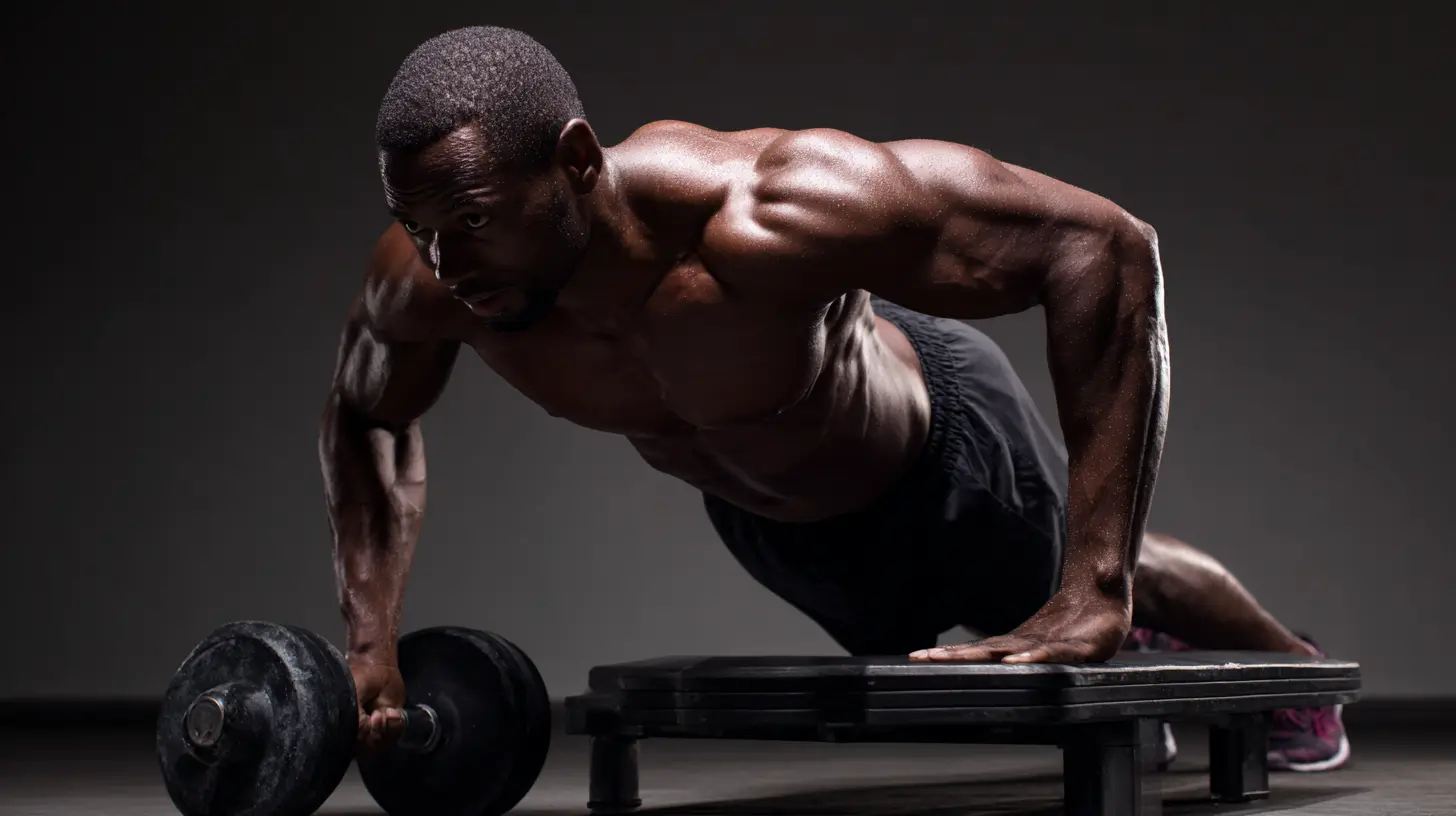
What Is the Core, Really?
When we say “core,” you probably picture a set of chiseled abs. And while yeah, your rectus abdominis (the six-pack muscle) is part of it, the core is so much more than that. Think of it as the central link in a chain connecting your upper and lower body.Your core includes:
- Abdominals (front of your torso)
- Obliques (sides of your torso)
- Transverse abdominis (deepest stabilizing muscles)
- Lower back muscles (like the erector spinae)
- Glutes (yep, your butt is part of your core too)
- Pelvic floor muscles
- Diaphragm
This powerful group of muscles wraps around your midsection, acting like a natural corset. It stabilizes your spine, supports your organs, and keeps you balanced — in short, your core is the MVP of your body.
Why Core Strength Is the Secret Sauce to Total Fitness
Let’s jump into the big question: Why does core strength matter so much?Here’s the lowdown.
1. Improves Posture (No More Hunchback Vibes)
Ever catch yourself slouching over your desk like a cooked shrimp? That’s your weak core shouting for attention. A strong core supports proper spine alignment, helping you stand and sit upright without effort.Good posture isn’t just about looking confident — it reduces strain on your muscles and joints and even helps you breathe better. Seriously, your lungs expand more easily when you sit tall.
2. Boosts Overall Strength & Athletic Performance
Whether you're throwing a punch or swinging a golf club, power comes from — you guessed it — the core. Your core is the transfer station for force. It lets your upper and lower body work together smoothly.Without it? You’re like a car with flat tires. You might still get around, but not efficiently or safely. Strong core = better lifts, faster runs, improved coordination, and more explosive workouts.
3. Reduces Risk of Injury
Here's some real talk: a weak core is an injury waiting to happen. Why?Because every movement — from lifting groceries to bending over to tie your shoes — requires core stability. When your core is weak, your body compensates by overstressing other muscles (hello, back pain and joint issues).
A strong core acts like a shock absorber. It distributes forces evenly, reducing strain and protecting vulnerable spots like your spine and knees.
4. Makes Daily Activities Easier
Want to pick up your kid without pulling a muscle? Or carry all 10 grocery bags in one trip (we know you do)? That’s your core at work.Everyday movements — twisting, reaching, lifting, and even sneezing — recruit your core muscles. Strengthening them makes life smoother, easier, and a lot more pain-free.
5. Supports Better Balance and Stability
Whether it’s standing on one leg during yoga or walking on an uneven surface, your balance depends heavily on core strength.When your core muscles are firing properly, they keep your body centered and aligned. This is especially important as we age, since falls become a big concern later in life.
6. Enhances Breathing and Reduces Stress
Surprisingly, your core works with your diaphragm to control breathing. That’s why people with strong cores often have more efficient breathing during workouts and better endurance.Even better? Deep, diaphragmatic breathing is a powerful stress reliever. So building your core isn't just physical — it’s mental too.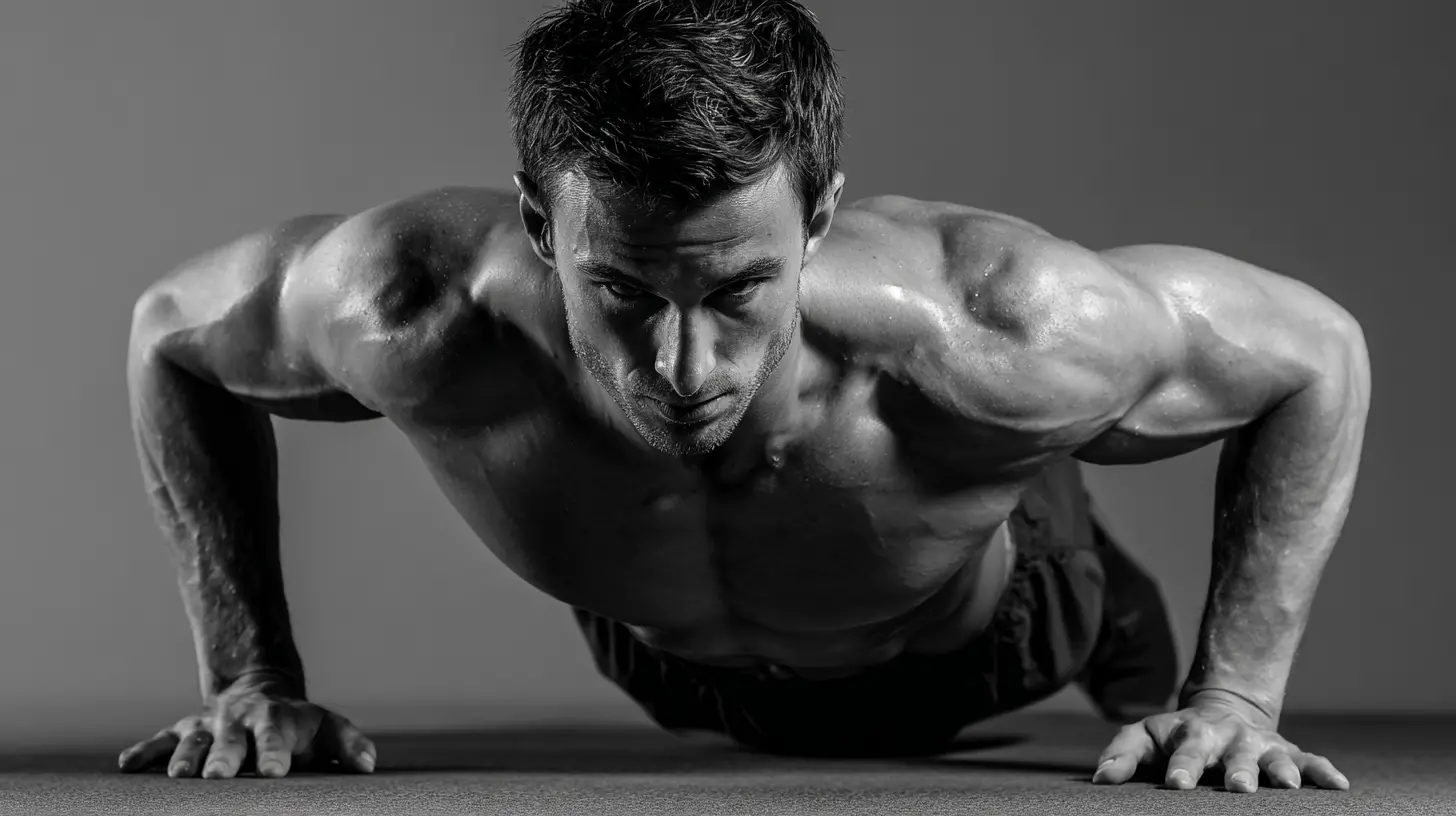
Signs Your Core May Be Weak (Time For a Gut Check)
You don’t need to be a personal trainer to figure out your core needs work. Here are some telltale signs:- Chronic lower back pain
- Poor posture
- Difficulty balancing
- Trouble doing bodyweight exercises (like planks or push-ups)
- Feeling unstable or wobbly during workouts
- Fatigue after standing for a long time
If any of these sound familiar, it’s time to show your core some love.
Core vs. Abs – The Big Misconception
Okay, let’s bust a myth while we’re here.Doing 100 crunches a day won’t automatically give you a strong core. It might strengthen one area (your abs), but it leaves out the rest of the crucial muscles that support your body.
A functional core workout includes dynamic, multi-directional movements — not just ab exercises. Think planks, bridges, dead bugs, bird dogs... even compound weightlifting involves a ton of core activation.
So if you’re crunching away without results, it’s time to train smarter, not harder.
How to Start Building Core Strength (The Fun Part)
Good news: you don’t need fancy gym equipment or an elite trainer to build core strength. You can start with bodyweight exercises at home. Here are some tried-and-true moves:1. Planks
Simple but savage. Planks work your entire core and help build endurance. Start on your elbows or hands, keep your body straight like a board, and hold for 30 seconds. Work up to a minute or more as you get stronger.2. Bird Dog
Sounds cute, feels intense. It’s great for balance and spinal alignment. From a tabletop position, extend one arm and opposite leg. Hold, then switch.3. Glute Bridges
Lie on your back, knees bent, feet hip-width apart. Lift your hips to form a straight line from knees to shoulders. Squeeze those glutes.4. Dead Bug
A fun name for a core-killer. Lying on your back with arms and legs in the air, lower one arm and the opposite leg, keeping your back flat. Alternate sides.5. Mountain Climbers
Get into a plank position and "run" your knees toward your chest. It’s cardio and core stability rolled into one sweaty package.Tips to Keep Your Core Work Consistent
Building a strong core doesn’t happen overnight. But consistency? That’s your secret weapon. Here’s how to keep at it:- Make it a daily habit. Even 10–15 mins of core work can add up fast.
- Mix it up. Don’t do the same routine every day — variety keeps it fun and targets different muscles.
- Focus on form. Quality over quantity. Engage your core properly to avoid injuries.
- Incorporate movement. Things like yoga, Pilates, and functional training are amazing for core building.
- Stay patient. Progress may be slow at first, but it’s steady — and sustainable.
Final Thoughts: Core Strength is the Unsung Hero of Fitness
Think of your core as the foundation of your house. If the foundation is shaky, everything else — no matter how beautiful or strong it looks — is at risk of crumbling. That’s exactly what happens with fitness when you overlook core strength.It’s not just about vanity muscles or getting beach-ready abs. It’s about building the kind of strength that makes every movement in life and fitness easier, safer, and more effective.
So the next time you hit the gym or roll out your mat at home, don’t skip the core work. Trust me — your whole body will thank you.
all images in this post were generated using AI tools
Category:
Strength TrainingAuthor:

Tiffany Foster
Discussion
rate this article
2 comments
Caelum Wallace
Building core strength is essential for balance and stability. Your body will thank you for it...
July 10, 2026 at 3:45 PM
Tiffany Foster
Absolutely! A strong core is the foundation for overall fitness and can make a big difference in daily activities. Thanks for highlighting this!
Rachael McGonagle
Core strength is the unseen foundation of our body's fitness. When neglected, it can lead to hidden weaknesses and untold struggles. Strengthening the core might just unlock your full physical potential... or reveal surprising truths.
May 24, 2026 at 3:37 PM
Tiffany Foster
Absolutely, a strong core is vital. It supports everything we do, and neglecting it can hold us back. Focusing on core strength truly transforms our fitness journey.