How to Read Nutrition Labels for Heart Health
2 July 2026
When it comes to heart health, your diet plays a massive role. But let’s be honest—reading nutrition labels can feel like decoding a secret message. With all those numbers, percentages, and scientific-sounding ingredients, it’s easy to get overwhelmed.
Don't worry, though! I’m here to help you break it down in a simple and stress-free way. By the time you finish this article, you’ll know exactly what to look for on a nutrition label to support a heart-healthy lifestyle. 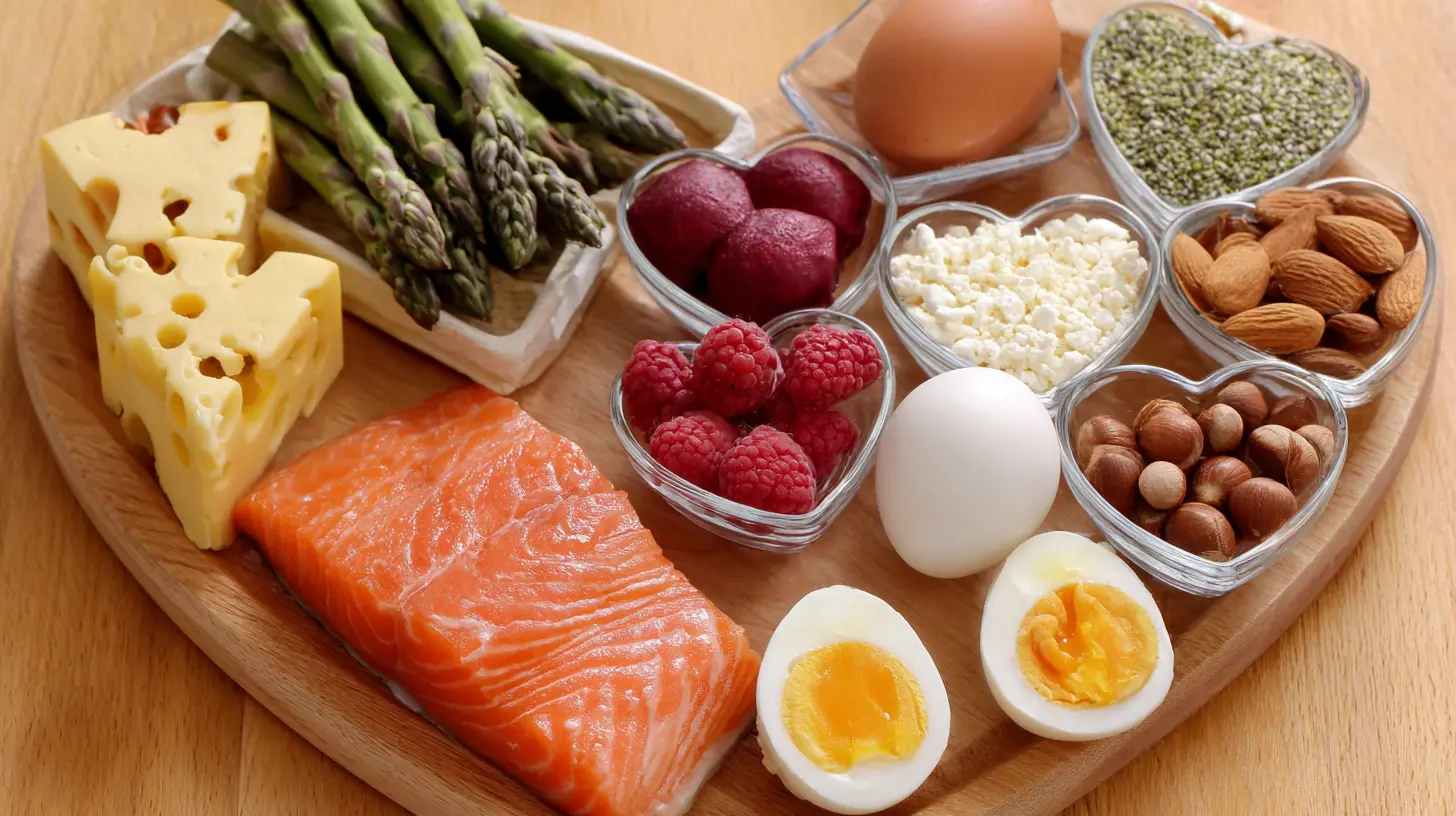
Why Nutrition Labels Matter for Your Heart
You might be wondering, “Do I really need to check nutrition labels?” Absolutely! The food industry can be sneaky, often marketing unhealthy foods as “healthy.” By understanding what’s on the label, you take control of what goes into your body.A heart-healthy diet helps manage blood pressure, cholesterol levels, and weight—all crucial factors in preventing heart disease. So let’s dive into the key sections of a nutrition label and uncover what really matters for your heart. 
Serving Size: The First Thing to Check
Before anything else, look at the serving size.Why? Because all the numbers on the label—calories, fat, sodium—are based on one serving, not the entire package. And let’s be real: most of us eat more than one serving, especially when the portion sizes are small.
For example, a bag of chips might say "150 calories per serving," but if the bag contains three servings and you eat the whole thing, you're actually consuming 450 calories—not 150.
? Tip: Always adjust the numbers based on how much you actually eat. 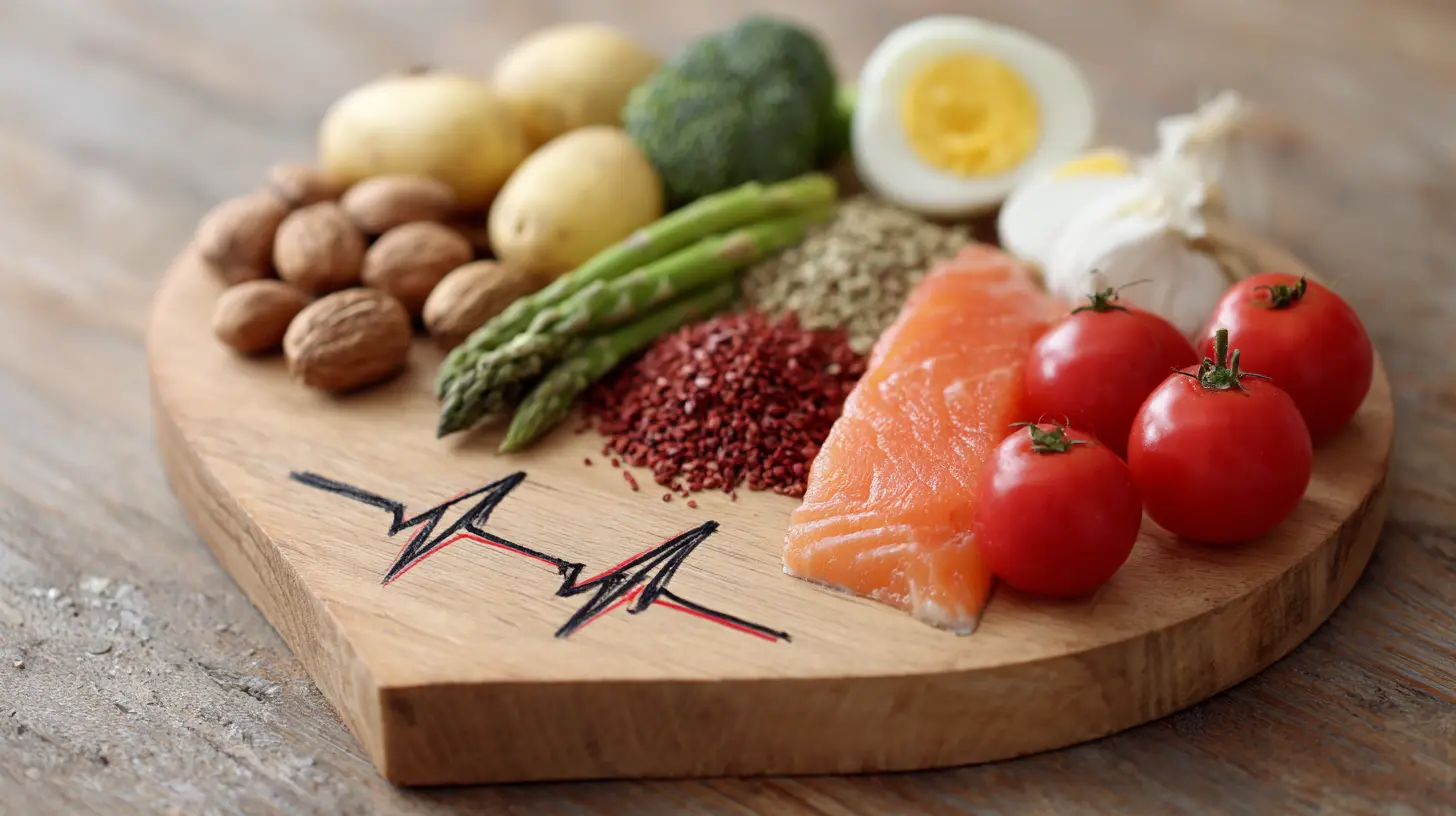
Calories: More Than Just a Number
Calories measure how much energy you get from food. While counting calories isn’t everything, keeping an eye on them helps maintain a healthy weight—important for heart health.But don’t just focus on the number alone. Instead, ask yourself:
- Where are these calories coming from? If most come from unhealthy fats and added sugars, it’s not the best choice.
- Are these calories nutrient-dense? Whole foods like vegetables, lean proteins, and whole grains provide nutrients that support heart health. 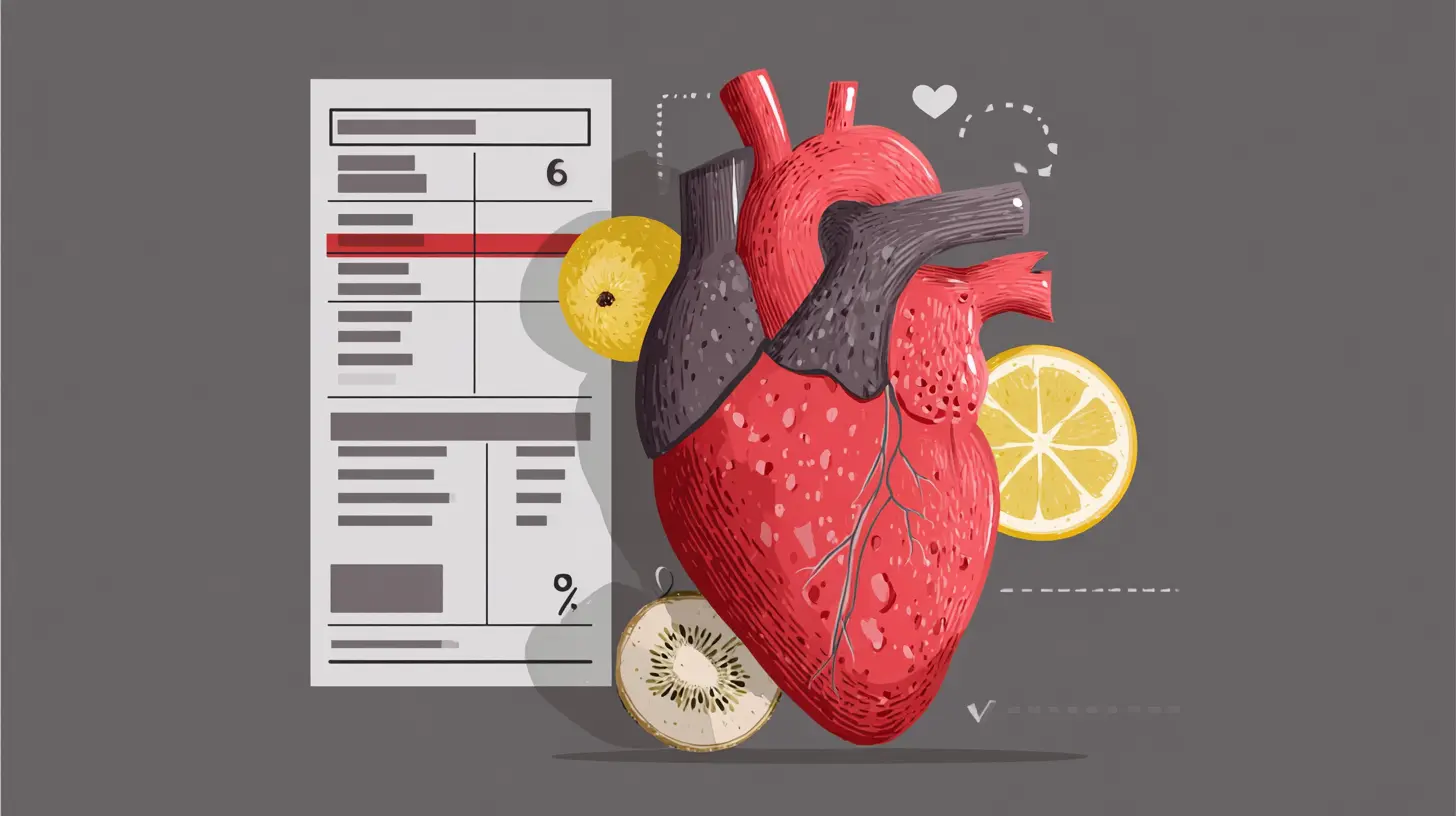
Fats: The Good, The Bad, and The Ugly
Fat often gets a bad reputation, but not all fats are harmful. Some actually protect your heart! Here’s what you need to know:- Unsaturated Fats (Good Fats) – Found in nuts, seeds, olive oil, and fatty fish like salmon. These help lower bad cholesterol and support heart health.
- Saturated Fats (Limit These) – Found in red meat, full-fat dairy, and fried foods. Too much can raise bad cholesterol levels.
- Trans Fats (Avoid at All Costs!) – Found in some processed foods and baked goods. These can raise bad cholesterol (LDL) and lower good cholesterol (HDL), increasing your risk of heart disease.
? Tip: Look for products with 0g trans fat and low saturated fat.
Cholesterol: Should You Be Concerned?
Dietary cholesterol used to be considered a major villain for heart health. However, recent studies show that it doesn’t affect blood cholesterol as much as once thought.That said, it’s still smart to keep dietary cholesterol in check, especially if you have heart disease or high cholesterol levels. The general recommendation is to keep it under 300 mg per day.
You'll find cholesterol in:
- Animal products (eggs, meat, dairy)
- Fried and processed foods
Sodium: The Silent Heartbreaker
If there’s one thing you should ALWAYS check on a nutrition label, it’s sodium (salt). Why? Because too much sodium raises blood pressure, increasing the risk of heart disease and stroke.How much is too much?
- The recommended daily limit is 2,300 mg (about one teaspoon of salt).
- For people with high blood pressure, aim for 1,500 mg or less.
Many processed foods contain hidden sodium—even in things that don’t taste salty, like bread and cereal.
? Tip: Choose products with 140 mg of sodium or less per serving for a heart-friendly option.
Carbohydrates and Sugar: What to Watch For
Not all carbs are created equal. Your heart loves fiber-rich, whole-food carbs, but added sugars? Not so much.Dietary Fiber: Your Heart’s Best Friend
Fiber helps lower bad cholesterol, regulates blood sugar, and keeps digestion running smoothly. Aim for:- At least 25-30g of fiber per day
- Look for 3g or more fiber per serving on food labels
Foods high in fiber include:
✔ Whole grains (brown rice, quinoa, oats)
✔ Legumes (beans, lentils)
✔ Fruits and vegetables
Added Sugars: The Hidden Danger
Sugar isn’t just in desserts—it’s hidden in sauces, yogurt, and even bread. Too much sugar can lead to obesity, high blood pressure, and heart disease.The American Heart Association (AHA) recommends:
- No more than 25g (6 teaspoons) per day for women
- No more than 36g (9 teaspoons) per day for men
How to spot hidden sugars? Check for ingredients like:
- High fructose corn syrup
- Cane sugar
- Dextrose
- Maltose
? Tip: The lower the added sugar, the better!
Protein: A Heart-Healthy Ally
Protein is essential for muscle repair and overall health, but the source of your protein matters.Heart-friendly protein sources:
✔ Lean meats like chicken and turkey
✔ Fish, especially fatty fish like salmon and tuna
✔ Plant-based proteins like beans, lentils, and tofu
✔ Nuts and seeds
Avoid:
❌ Processed meats (sausages, bacon, deli meats) – these are high in saturated fats and sodium.
Ingredient List: The Ultimate Truth Teller
Even if the nutrition facts look good, always check the ingredient list.What to Look For:
- Short and simple ingredient lists – A long list with unpronounceable words? Probably processed.- Whole, recognizable ingredients – Think oats, nuts, real fruits, and whole grains.
What to Avoid:
- Hydrogenated oils (trans fats)- Artificial sweeteners and preservatives
- Excessive additives like MSG and high fructose corn syrup
? Tip: If a product has more than 5 unrecognizable ingredients, it’s likely not the healthiest choice.
Quick Label-Reading Checklist for Heart Health
When checking a food label, ask yourself:✅ Is the serving size reasonable?
✅ Are the calories coming from healthy sources?
✅ Does it contain healthy fats (unsaturated) instead of bad fats (trans, high saturated)?
✅ Is the sodium level low (140 mg or less per serving)?
✅ Does it have at least 3g of fiber per serving?
✅ Are added sugars minimal (less than 10g per serving)?
✅ Does the ingredient list contain real, whole foods?
If a product checks most of these boxes, you’re making a heart-healthy choice!
Final Thoughts
Reading nutrition labels may seem like a hassle at first, but once you get the hang of it, it becomes second nature. Think of it as a roadmap guiding you toward better heart health.Every small, informed choice you make adds up over time, helping you maintain a strong heart, stable blood pressure, and overall well-being. So next time you pick up a packaged food item, take a moment to read the label—you owe it to your heart!
all images in this post were generated using AI tools
Category:
Healthy HeartAuthor:

Tiffany Foster
Discussion
rate this article
1 comments
Katalina McLanahan
Understanding nutrition labels empowers you to make informed choices that can significantly improve your heart health.
July 6, 2026 at 3:02 PM
Tiffany Foster
Absolutely! Knowing how to read nutrition labels is key to choosing heart-healthy foods. It can really make a difference.