How Strength Training Improves Bone Health
16 December 2025
When we think about strength training, most of us picture people lifting heavy weights to build muscle. And while stronger muscles are a huge bonus, there's a less obvious benefit that deserves the spotlight—bone health.
That’s right. Lifting weights does more than give you toned arms or sculpted legs—it can actually make your bones stronger. In fact, strength training might be one of the best tools in your toolkit to fight bone loss, reduce the risk of fractures, and keep your skeleton sturdy well into old age.
Curious how it works? Let’s break it down.
Why Bone Health Matters More Than You Think
We often take our bones for granted, don’t we? They hold us up, protect our organs, and help us move—yet we rarely think about them until something goes wrong. You might not feel your bones weakening over time, but it happens. And it can happen fast.The Silent Thief: Osteoporosis
Osteoporosis is a sneaky condition where bones become thin, brittle, and weak. It doesn't show symptoms until a bone breaks. That’s why it’s often called a "silent disease." It's especially common in women over 50 but affects men too.By the time you're in your 30s, you start losing bone density little by little. Without doing something to stop it, that decline just continues.
And that’s where strength training comes in.
What Is Strength Training, Really?
Let’s clear something up: you don’t need to be a bodybuilder or spend hours at the gym to do strength training.Strength training (also known as resistance training or weightlifting) includes any activity where your muscles work against a force. That force could come from:
- Free weights (like dumbbells or kettlebells)
- Resistance bands
- Machines at the gym
- Your own body weight (think push-ups, squats, planks)
Even gardening with heavy pots or carrying groceries counts as resistance for your muscles and bones.
How Strength Training Stimulates Bone Growth
Now for the science (but don’t worry—we’ll keep it digestible).When you lift weights or perform resistance exercises, you’re not just challenging your muscles—you’re stressing your bones too. But in a good way!
Here’s how it works:
1. Mechanical Loading Builds Bone Density
Every time you lift something heavy, your bones "feel" the pressure. This stress causes tiny signals to travel to your bone-forming cells (called osteoblasts), saying, “Hey, we need to build more bone to keep up with this demand!”Your body responds by increasing bone mass in the areas being worked. It's kind of like how calluses form on your hands from repeated friction—they're your body’s way of adapting and protecting itself.
2. Muscle Contractions Tug on Bones
Muscles are attached to bones by tendons. When muscles contract, they pull on the bones. This tugging action promotes bone remodeling—basically, your body's process of breaking down and rebuilding bone tissue to keep it strong.The more you train your muscles, the harder they pull on your bones—and the stronger those bones become.
3. Increases Hormonal Activity
Strength training also triggers the release of growth-promoting hormones like testosterone, human growth hormone (HGH), and insulin-like growth factor (IGF-1). These all play a role in increasing bone density and overall skeletal health.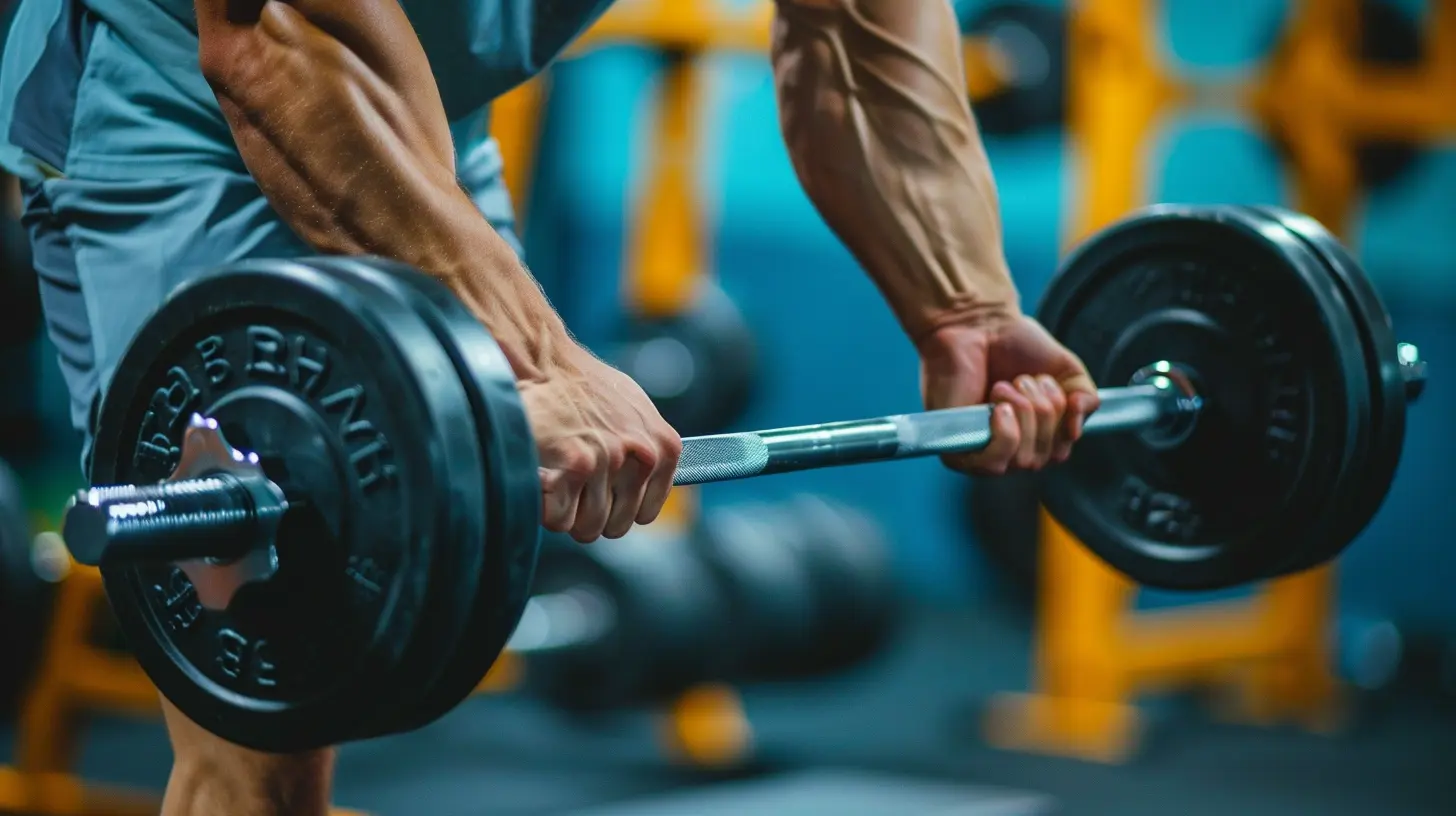
Best Strength Training Exercises for Stronger Bones
Not all exercises are created equal when it comes to bone health. To build bone density effectively, you want exercises that target the spine, hips, and legs—areas most affected by bone loss.Here are some top choices:
1. Squats
Squats are the king of lower body exercises. They work your quads, hamstrings, and glutes—all while placing a healthy load on your hips, knees, and spine.Start with bodyweight squats and progress to holding dumbbells or a barbell as you build strength.
2. Deadlifts
This movement mimics picking something heavy off the ground—a function you’ll want to keep as you age. Deadlifts are amazing for the posterior chain (backside of the body) and are a great weight-bearing movement for the spine and hips.3. Lunges
Lunges challenge your balance and leg strength while putting load on each leg individually. They’re excellent for hip health and can be done with body weight, dumbbells, or added resistance.4. Overhead Press
Pushing weights overhead targets your shoulders, upper back, and arms while activating your core and spine for support. This standing movement helps maintain upper body strength and posture.5. Pull-ups or Rows
Pulling-based movements are fantastic for strengthening the spine and upper back. If pull-ups are too tough (they are for a lot of us!), rows with bands or dumbbells work great too.How Much Strength Training Do You Really Need?
If you’re new to lifting or haven’t worked out in a while, don’t worry—it's never too late to start.The general recommendation for bone health is:
- At least two sessions per week of full-body strength training
- Focus on compound movements that work multiple joints and muscles
- Aim for 8–12 repetitions per exercise for 2–3 sets
Don’t overdo it. Progress gradually and let your body adapt.
And hey, even one day a week is better than none. You’ve got to start somewhere, right?
Strength Training vs. Other Bone-Building Exercises
You might be wondering: “What about walking, jogging, or yoga? Don’t they help my bones too?”Great question.
Here’s the deal:
- Walking or jogging is a form of weight-bearing exercise—it helps maintain bone density, but doesn't build bone mass as effectively as resistance training.
- Yoga and Pilates improve flexibility and balance, which do reduce fall risk (a big deal as you get older), but they don't provide enough mechanical load to really stimulate bone growth.
- Swimming and cycling are fantastic for cardiovascular fitness, but they’re not weight-bearing, so they don’t benefit your bones much.
So while those activities have their place in a balanced routine, strength training should be front and center for building solid bones.
Other Benefits That Support Bone Health
Let’s not forget how strength training positively impacts your overall health, which in turn supports your bones:Improves Balance and Coordination
Stronger muscles mean better stability. This reduces your risk of falls—one of the leading causes of fractures in older adults.Maintains Healthy Posture
Resistance training helps you stand tall and upright. Strong back and core muscles reduce the chances of developing that hunched-over look many people get with age (thanks to spinal compression and osteoporosis).Preserves Muscle Mass
Muscle loss (aka sarcopenia) usually pairs with bone loss as we age. Strength training kills two birds with one stone by preserving (and even building) lean muscle mass.When Should You Start Strength Training?
Yesterday.Okay, maybe that’s a bit dramatic—but it’s true that the earlier you start, the better. Peak bone mass is usually reached in your late 20s to early 30s. After that, it’s all about maintaining or slowing the loss.
But don’t worry—if you’re in your 40s, 50s, 60s, or even older, strength training can still make a big difference. In fact, research shows that people well into their 80s can build muscle and improve bone density with the right resistance training plan.
So no more excuses. Grab those dumbbells (or soup cans or laundry detergent bottles) and get moving.
Key Takeaways
- Strength training builds bone density by applying stress to your bones, stimulating growth and adaptation.- It reduces the risk of osteoporosis, fractures, and falls.
- It improves balance, posture, and muscle mass, all of which support bone health.
- It’s never too early—or too late—to start. And it doesn’t take hours in the gym.
- Compound movements like squats, deadlifts, and presses are especially effective.
When it comes to strengthening your skeleton, resistance training is the true MVP. More than a fitness trend, it’s a concrete way to invest in your long-term health and independence.
So next time you think about skipping that strength day? Think again. Your bones are literally counting on it.
all images in this post were generated using AI tools
Category:
Strength TrainingAuthor:

Tiffany Foster
Discussion
rate this article
2 comments
Fenris McCullough
Who knew lifting weights could be a bone's best friend? It's like giving your skeleton a VIP backstage pass to the health concert! Forget the fairy tales; strength training is the real magic potion for strong, happy bones. Get your dumbbells dancing!
February 1, 2026 at 4:21 AM
Tiffany Foster
Absolutely! Strength training truly is a game-changer for bone health—it's the best way to keep our skeletons strong and happy! Thanks for the fun analogy!
Joy Pratt
Great article! Strength training is essential for bone health; it’s inspiring to see evidence supporting its benefits for overall well-being.
December 18, 2025 at 3:46 PM
Tiffany Foster
Thank you! I'm glad you found the article inspiring and informative. Strength training truly plays a vital role in promoting bone health and overall well-being!