How Meditation Can Improve Heart Function
5 April 2026
When it comes to keeping your heart healthy, most people think of diet and exercise. But did you know that meditation can be just as powerful? Yep, that simple practice of sitting still and focusing your mind can do wonders for your heart. Science is now catching up to what ancient traditions have known for centuries—meditation can actually improve heart function. Let's dive into how it works and why you might want to start meditating today. 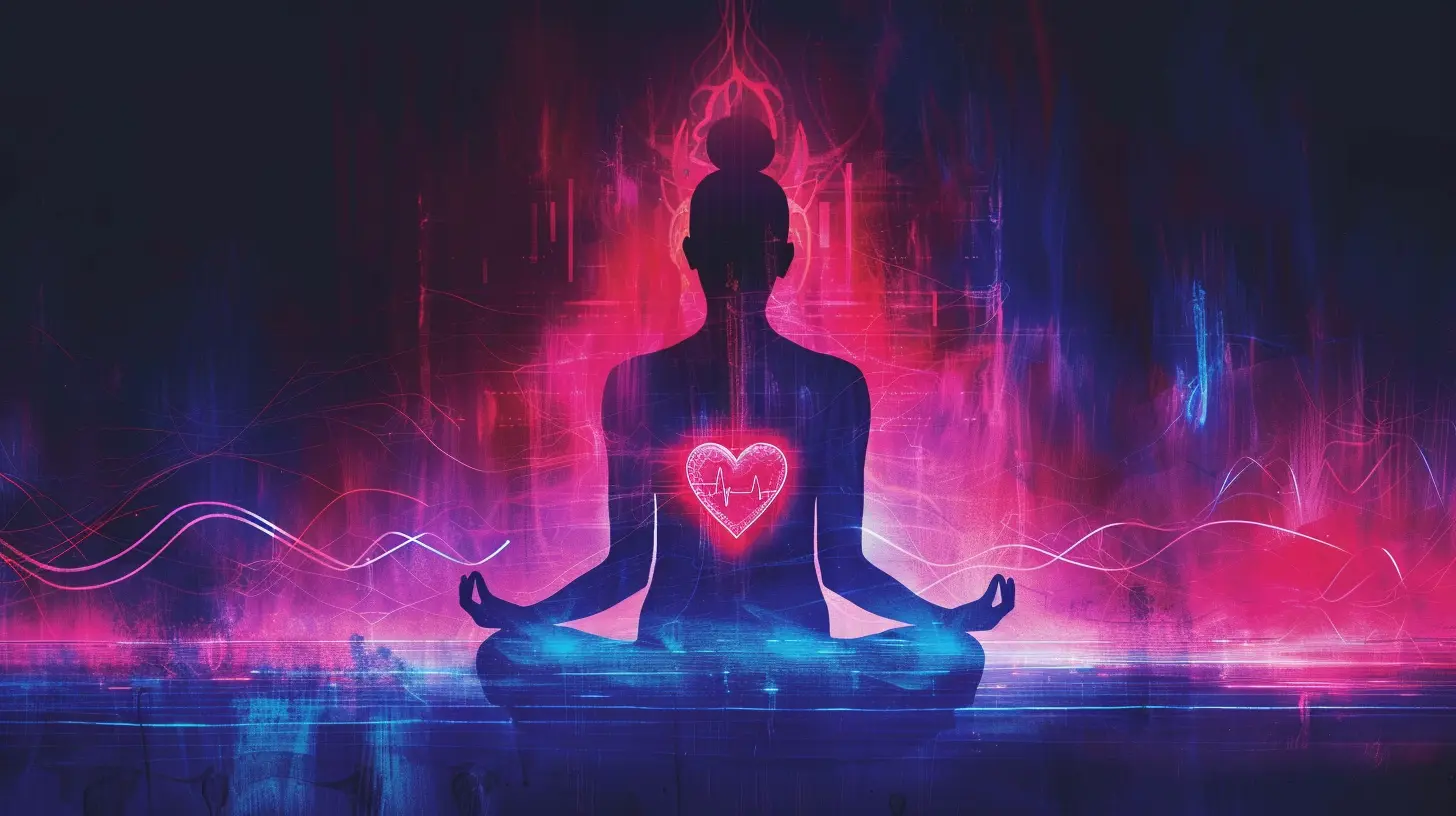
The Connection Between Stress and Heart Health
Before we get into the benefits of meditation, let's talk about stress. Stress is one of the biggest enemies of heart health. When you're constantly stressed, your body releases cortisol and adrenaline, hormones that increase heart rate and blood pressure. Over time, this can lead to serious issues like hypertension, heart disease, and even heart attacks.Think of your heart like a car engine. If you constantly rev the engine, it wears out faster. Stress does the same thing to your heart—it puts extra pressure on it, making it work harder than it should.
Now, here's the good news—meditation can help reduce stress and take that extra load off your heart. 
How Meditation Lowers Blood Pressure
One of the biggest ways meditation helps your heart is by lowering blood pressure. When you meditate, your body enters a state of deep relaxation. This relaxation activates the parasympathetic nervous system (also called the "rest and digest" system), which helps slow down your heart rate and lower blood pressure.Studies have shown that people who meditate regularly tend to have lower blood pressure than those who don't. In fact, some doctors even recommend meditation as part of a treatment plan for hypertension. Instead of relying solely on medication, a few minutes of daily meditation can make a significant difference. 
Meditation Improves Heart Rate Variability (HRV)
Heart Rate Variability (HRV) is a measure of the variation in time between heartbeats. A higher HRV means your heart is more adaptable and resilient, which is a great indicator of heart health. Low HRV, on the other hand, can be a sign of stress or potential heart problems.Meditation has been shown to improve HRV by promoting relaxation and reducing stress. When you meditate, your breath slows down, and your heart starts to beat in a more rhythmic and balanced way. This not only improves heart function but also helps your body recover faster from stress. 
Reduces Inflammation Linked to Heart Disease
Chronic inflammation plays a huge role in heart disease. When your body is constantly inflamed, it can lead to the buildup of plaque in your arteries, increasing the risk of heart attacks and strokes.Meditation has been found to lower levels of inflammatory markers in the body. By reducing stress and promoting relaxation, meditation helps decrease the production of pro-inflammatory chemicals. This means less strain on your heart and a lower risk of cardiovascular disease over time.
How Meditation Helps with Emotional Well-Being
Your mental and emotional health has a direct impact on your heart. Anxiety, depression, and chronic stress can all take a toll on your cardiovascular system. When you're constantly in a state of worry or sadness, your heart feels the effects too.Meditation helps by promoting feelings of calmness, happiness, and emotional balance. It encourages the release of feel-good hormones like serotonin and dopamine, which improve mood and reduce stress levels. When you're happier and more relaxed, your heart benefits as well.
Think of meditation as emotional therapy for your heart—keeping it strong, happy, and resilient.
Types of Meditation That Benefit Heart Health
Not all meditation practices are the same, but most types can benefit your heart in some way. Here are some of the best meditation techniques for improving heart function:1. Mindfulness Meditation
This involves focusing on the present moment without judgment. You can practice mindfulness by simply paying attention to your breath, bodily sensations, or surroundings. It helps reduce stress and promotes relaxation, both of which are great for heart health.2. Loving-Kindness Meditation (Metta Meditation)
This meditation focuses on cultivating feelings of love, compassion, and kindness toward yourself and others. Studies suggest that practicing loving-kindness meditation can lower heart rate and blood pressure while improving overall emotional well-being.3. Guided Meditation
If you're new to meditation, guided sessions can be extremely helpful. These involve listening to a recorded meditation or a live instructor who walks you through relaxation techniques. This can be particularly effective in reducing stress and calming the nervous system.4. Transcendental Meditation (TM)
Transcendental Meditation involves silently repeating a mantra to help clear the mind. Research has shown that TM can be highly effective in reducing blood pressure and improving heart function.5. Breathwork Meditation (Pranayama)
Breath control practices, known as pranayama, are a great way to regulate the heart rate and increase oxygen flow in the body. Deep breathing exercises can help lower blood pressure and promote cardiovascular relaxation.How to Get Started with Meditation for Heart Health
If you're new to meditation, don't worry—you don't have to become a Zen master overnight. Just a few minutes a day can make a difference. Here’s a simple step-by-step guide to get started:1. Find a Quiet Space
Choose a place where you won’t be disturbed. It could be a cozy corner in your home or even your backyard.2. Sit Comfortably
You don’t need to sit cross-legged if that’s uncomfortable. Just find a position where you can relax without straining your body.3. Focus on Your Breath
Close your eyes and take slow, deep breaths. Pay attention to the sensation of the air moving in and out of your nose.4. Let Thoughts Come and Go
Your mind will wander—that’s totally normal! The key is to notice your thoughts without getting stuck on them. Simply bring your focus back to your breath.5. Start Small & Be Consistent
Begin with just 5 minutes a day and gradually increase your practice. The key is consistency—meditating regularly will bring the best results.Final Thoughts
Your heart works hard for you every single day, so why not give it a little love in return? Meditation is a simple, natural, and effective way to improve heart function and reduce stress. Whether you're dealing with high blood pressure, anxiety, or simply looking for a way to boost your overall heart health, meditation can be a game-changer.So, take a deep breath, find a few moments of stillness, and give your heart the relaxation it deserves. Your future, healthier self will thank you!
all images in this post were generated using AI tools
Category:
Healthy HeartAuthor:

Tiffany Foster
Discussion
rate this article
2 comments
Colin McCarthy
Mindfulness for a healthier heart!
April 14, 2026 at 3:06 AM
Tiffany Foster
Absolutely! Mindfulness can reduce stress and promote heart health. It's a powerful tool for overall well-being.
Anabella Clayton
Who knew sitting still could be the ultimate heart workout? Forget running marathons; I’ll just be here perfecting my ‘Zen and the Art of Not Thinking About Snacks’ routine. Let’s just hope my heart doesn’t get confused and starts racing from all the stillness!
April 11, 2026 at 2:43 AM