How Aging Affects Your Sleep Patterns – and What to Do About It
26 February 2026
Let’s have a little real talk: Aging is nature’s way of saying, “Hey, your warranty’s almost up—but hang in there!” Jokes aside, getting older comes with a lot of oddities—like finding random body aches, talking to your plants (and expecting an answer), and yes... sleep deciding to go rogue.
Remember in your teenage years when you could sleep like a rock through fireworks, thunderstorms, and your mom vacuuming two feet from your head? Fast-forward a few decades, and suddenly you’re waking up every hour on the hour, like a confused owl. So what’s the deal? Why does our sleep get weirder with age—and more importantly, what can we do before we start counting sheep in binary?
Let’s pull the covers back and get cozy with the facts—with a few laughs tucked in for good measure.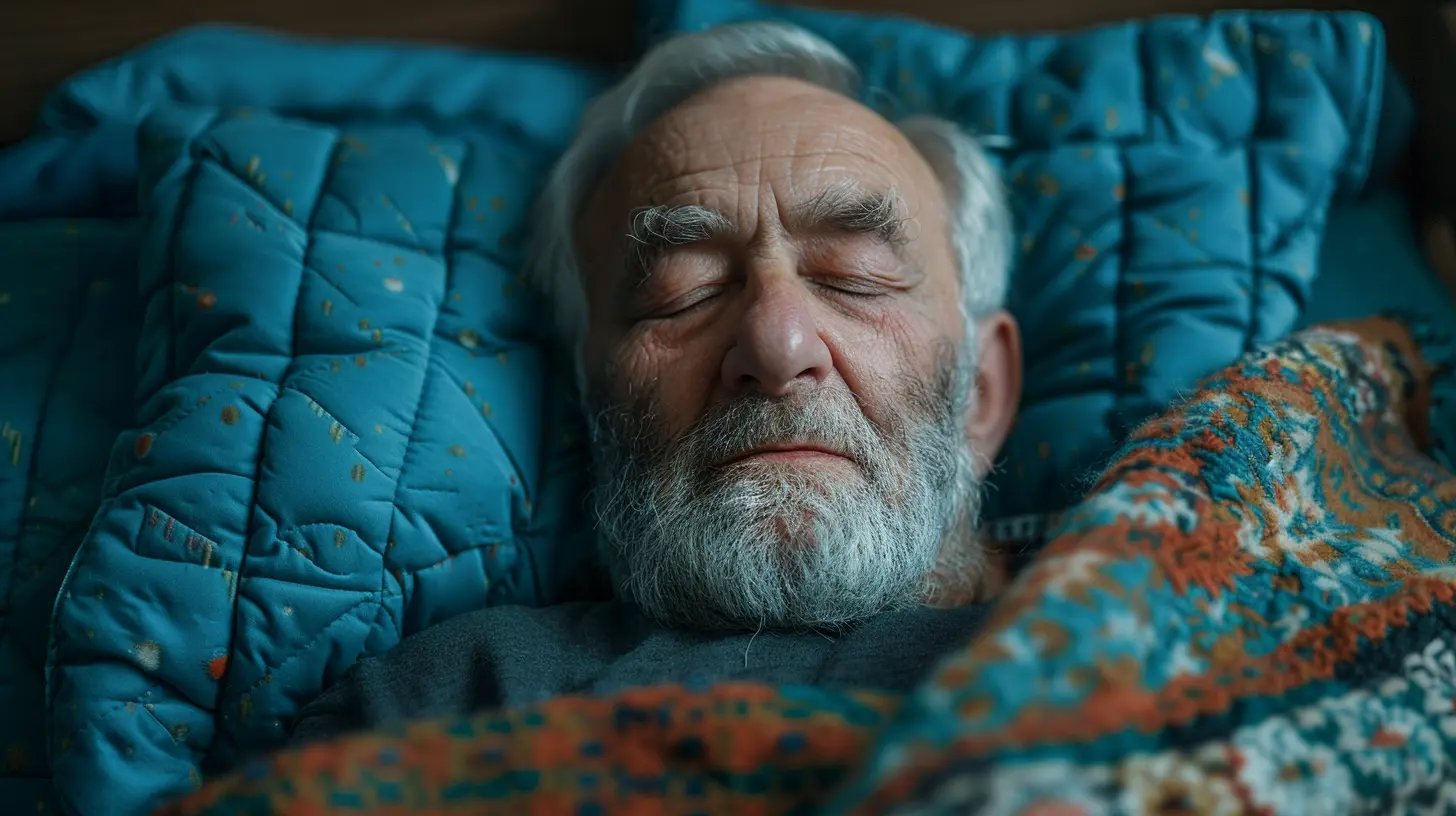
Aging and Sleep: A Love-Hate Relationship
As you age, your body goes through changes that even your coffee addiction can’t fix. One of those changes affects the good ol’ sleep-wake cycle—also known by its fancy name: the circadian rhythm. Think of it as your body’s internal clock. And guess what? That clock starts to get a little... glitchy.Your Built-In Clock Starts Losing Battery
Just like your grandpa’s wristwatch that needs winding every three days, your circadian rhythm becomes less reliable over time. Older adults tend to get sleepy earlier in the evening and wake up earlier in the morning—often before the sun even clocks in.Why? Because the brain's "suprachiasmatic nucleus" (say that five times fast) loses some of its pep, affecting melatonin production. Melatonin is your body’s natural sleepy juice. Less melatonin? Good luck staying asleep past 5 AM.
Sleep Architecture Turns into a Jenga Tower
Your sleep isn’t just about “falling asleep” and “waking up.” It's made up of different stages: light sleep, deep sleep, and REM (the dream factory). As we get older, deep sleep and REM sleep decrease, so there's less restorative sleep happening.Translation? You wake up feeling like you wrestled a raccoon in your dreams—even if you were in bed for eight hours.
Common Sleep Struggles as You Age (Yawn... Literally)
Let’s break down the nighttime inconveniences that tend to show up uninvited in your golden years.1. Insomnia – The Party Crasher
Insomnia is like that one relative who overstays their welcome. More than 50% of older adults report symptoms of insomnia. Whether it’s trouble falling asleep, staying asleep, or waking up too early, insomnia makes you a grumpy panda the next day.2. Waking Up Too Early – Hello 4:30 AM!
Who needs an alarm clock when your bladder and body conspire to wake you up at an absurd hour? Older folks often wake up way before they want to. And unfortunately, once you’re up, it’s tough to drift back to dreamland.3. Frequent Nighttime Bathroom Trips – The Midnight Urine March
Let’s be honest—nothing says “you’re getting older” like waking up 2–3 times a night to go pee. A shrinking bladder, prostate issues (for men), or hormonal shifts (hello, menopause) can all mean your bathroom becomes your second bedroom.4. Sleep Apnea – Snore Wars
Ever feel like you're choking in your sleep? Or maybe your partner says you snore like a freight train? Sleep apnea is more common with age and can really mess with your oxygen levels, quality of sleep, and overall health. It’s no joke—even if your snores sound like a grizzly bear with a cold.5. Restless Leg Syndrome – The Twitchy Tango
Imagine trying to fall asleep while your legs turn into interpretive dancers. That’s Restless Leg Syndrome (RLS) for you—a condition that gets more common as you age and makes relaxing at bedtime feel like a struggle on "So You Think You Can Dance?"
Why Does This Happen? (Besides The Universe Having a Sense of Humor)
So what’s really behind all these bizarre bedtime changes?- Hormonal shifts – Melatonin and growth hormone decline with age.
- Chronic health conditions – Diabetes, arthritis, heart disease—all of these can mess with sleep.
- Medications – Blood pressure meds, antidepressants, even allergy tablets — they all have side effects that can disrupt sleep.
- Lifestyle habits – Less movement, more naps, and inconsistent bedtimes can throw your rhythm off.
- Stress – Aging comes with big life changes. Retirement, loss, caregiving... it all adds up.
Bottom line: It’s not your fault. But it is your responsibility (yeah, adulting never ends) to make some intentional tweaks.
What to Do About It: Reclaiming Your Sleep Like a Total Boss
Okay, now that we’ve aired out the sleep laundry, let’s talk solutions. Here’s how to outsmart the sleep snatchers and get back to dreaming sweet, glorious dreams.1. Set a Consistent Sleep Schedule
If your body was a pet, it would need a routine. Go to bed and wake up at the same times every day, even on weekends. Yes, even if Netflix just dropped a new season of your favorite show.2. Ditch the Afternoon Nap-a-thon
A 20-minute power nap? Totally fine. A two-hour snooze fest at 5 PM? That’s a recipe for staring at your ceiling till 2 AM. Keep naps short and early in the day.3. Embrace the Darkness (No, Not Emotionally)
Light is your circadian rhythm's best friend—and worst enemy. In the evening, dim the lights, avoid screens before bed, and maybe invest in blackout curtains. Melatonin hates bright lights. It's basically a vampire.4. Move That Booty
Daily exercise can improve sleep quality, especially if it's earlier in the day. Even a brisk walk counts. Get your steps in—your bed will thank you later.5. Create a Sleep Sanctuary
Make your bedroom a place of peace. Keep it cool, quiet, and clutter-free. If your room looks like a garage sale exploded, your brain won't know it's time to chill.6. Cut the Caffeine, Sherlock
Avoid stimulants like caffeine and nicotine late in the day. That includes chocolate. (I know, I’m sorry. I didn’t make the rules—your brain chemistry did.)7. Try Natural Sleep Aids (But Wisely)
Melatonin supplements, magnesium, valerian root—they’re like lullabies for your nervous system. But always check with your doc first. You don't want your sleep aid creating more problems than it solves.8. Cognitive Behavioral Therapy for Insomnia (CBT-I)
If your sleep issues are serious and long-term, CBT-I is kind of like a boot camp for better sleep hygiene. Stats say it works better than pills—and you don’t risk getting addicted to anything except feeling rested.When to See a Doctor (AKA: Don't Just Google It)
If you're finding yourself regularly groggy, irritable, or falling asleep in places you really shouldn’t (like Zoom calls or during games of Scrabble), it’s time to talk to your doctor.You might need a sleep study or medication adjustment—or just some expert advice on sleep hygiene. There's no shame in asking for help. Even superheroes need a sidekick.
Sleep and Aging: Not a Lost Cause
So here's the good news: Aging doesn’t have to mean surrendering your quality sleep. Just like we adapt in other areas of life—wearing reading glasses, using the GPS for literally everything, learning how to open pickle jars with grip pads—we can adjust how we approach sleep.It won’t happen overnight (pun totally intended), but with some tweaks, patience, and maybe fewer late-night burritos, you can absolutely improve your sleep game.
So the next time your 2 AM self is staring at the ceiling wondering if you’ve accidentally joined the Vampire Society, just remember: You're not alone, you’re not broken, and there’s a snooze-filled silver lining just waiting for you.
Now go fluff those pillows like a champ. 💤
Final Tips (Rapid-Fire Style!)
- Keep pets out of your bed (sorry, Mr. Fluffykins)- Avoid alcohol too close to bedtime—it wrecks your REM
- Try white noise or calming sleep music
- Stay hydrated, but taper water intake toward evening
- Get some morning sunlight every day (nature’s coffee!)
One Last Thing…
Sleep may change as we age, but that doesn't mean it's doomed. With a little humor, a lot of patience, and some solid strategies, you can still tuck yourself in and get some serious rest.Just remember: It’s not about sleeping like a teenager again—it’s about sleeping well for where you’re at now.
And hey—if you wind up waking up at 5 AM, at least you’ll be first in line at the breakfast joint!
all images in this post were generated using AI tools
Category:
Sleep HealthAuthor:

Tiffany Foster
Discussion
rate this article
2 comments
Priscilla Forbes
Ah, aging and sleep—the perfect combo! Who wouldn’t want to trade in a cozy night’s rest for endless bathroom trips and pondering life's mysteries at 3 a.m.? Thanks for the tips on how to embrace this delightful chaos!
March 14, 2026 at 4:43 PM
Tiffany Foster
Thank you for your witty take! Embracing the chaos of aging can indeed bring its own unique charm. Happy snoozing!
Bennett Moses
As we age, sleep can feel like a distant memory rather than a nightly retreat. This article unveils the science behind those restless nights and offers practical strategies to reclaim your Zs. Embrace these insights to turn back the clock on your sleep — because everyone deserves sweet dreams!
March 2, 2026 at 3:44 AM
Tiffany Foster
Thank you for your thoughtful comment! I'm glad you found the article helpful in understanding and addressing sleep challenges as we age. Sweet dreams await!