Heart Health in Women: Unique Risks and Prevention
16 August 2026
Heart disease isn't just a men's issue—it's the leading cause of death for women worldwide. Yet, for years, heart health discussions have largely centered around men. Women experience heart disease differently, from symptoms to risk factors, and sadly, they're often underdiagnosed and undertreated.
If you're a woman (or someone who loves a woman), understanding these differences isn't just helpful—it could be lifesaving. Let's break down the unique risks women face and what you can do to protect your heart.
Why Women Need to Pay Extra Attention to Heart Health
Many people assume heart disease mainly affects men, but statistics paint a different picture. According to the CDC, heart disease is responsible for one in every five female deaths in the U.S. alone. Still, the signs and symptoms in women often go unnoticed or misinterpreted.Why? Because heart disease in women doesn’t always show up like it does in men. Women are more likely to experience subtler symptoms instead of the classic "Hollywood-style" chest pain and clutching the heart. That means many women delay seeking treatment—sometimes with fatal consequences.
Unique Heart Disease Risks for Women
So, what makes women's hearts more vulnerable? While traditional risk factors like high blood pressure, obesity, and smoking apply to both genders, women have additional risks that men don't face:1. Hormonal Changes & Menopause
Estrogen plays a protective role in heart health by keeping blood vessels flexible and promoting good cholesterol (HDL). When estrogen levels drop after menopause, women lose this natural defense, increasing the likelihood of heart disease.2. Pregnancy-Related Complications
Issues like gestational diabetes, preeclampsia, and high blood pressure during pregnancy aren’t just temporary concerns. They can increase the risk of developing heart disease later in life. If you've had pregnancy complications, your heart health should be monitored closely.3. Autoimmune Diseases
Women are more prone to autoimmune diseases like lupus and rheumatoid arthritis, which can increase inflammation in the body. Chronic inflammation damages blood vessels and raises the risk of heart disease.4. Stress and Depression
Mental health plays a huge role in heart health, and women are more likely than men to experience depression or chronic stress. These conditions can lead to high blood pressure, increased cortisol levels, and unhealthy coping mechanisms like emotional eating or smoking—all of which strain the heart.5. Smoking and Birth Control Pills
Smoking is bad for everyone, but when combined with birth control pills, it significantly increases the risk of blood clots and heart attacks in women under 40. If you smoke and use hormonal contraceptives, it's time to reconsider those habits.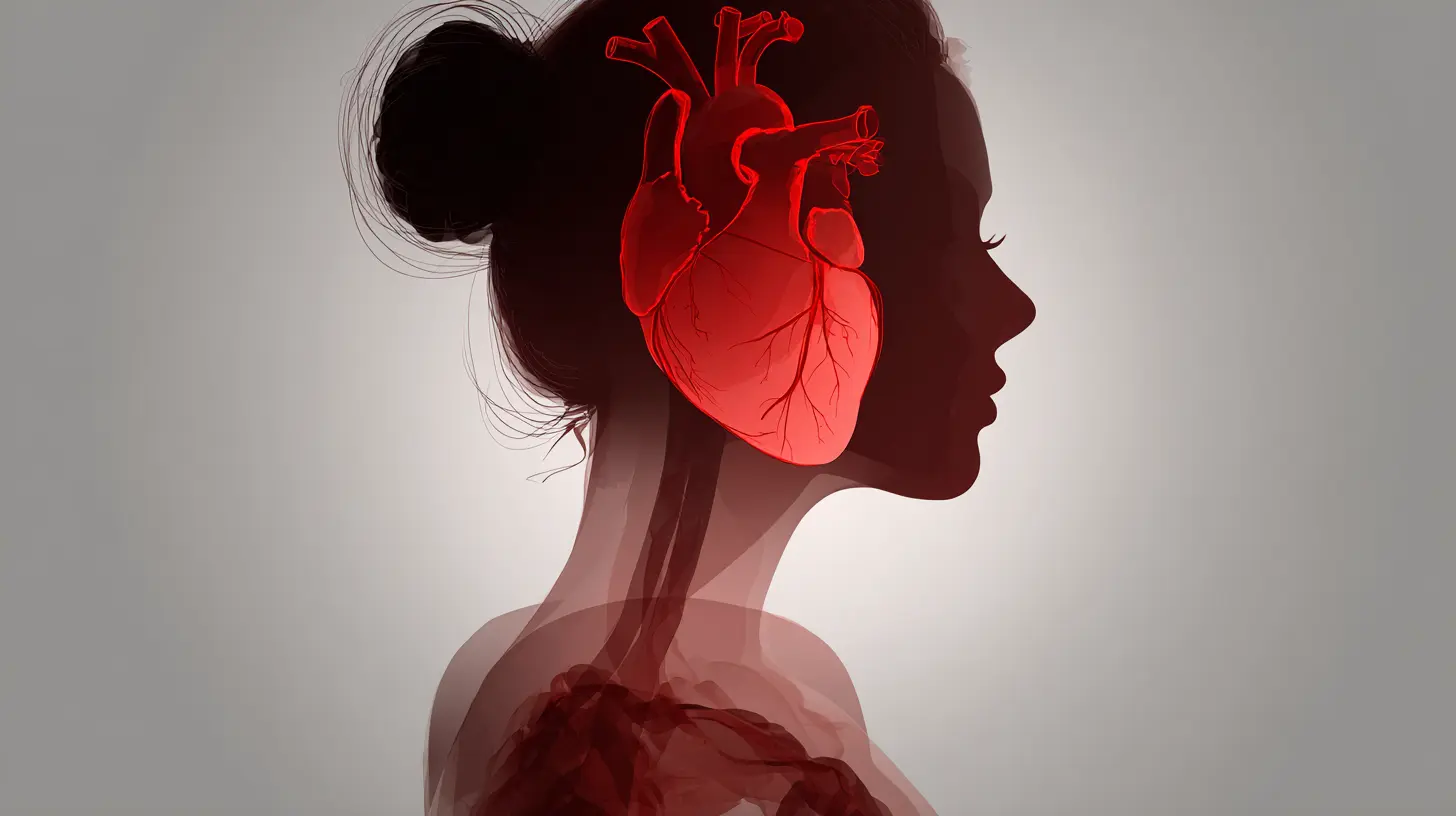
Signs of a Heart Attack in Women
When you think of a heart attack, you probably picture a crushing chest pain. But for women, the signs can be much more subtle. Many women experience symptoms that don’t seem heart-related at all, which is why heart attacks are often missed or misdiagnosed.Here’s what to watch out for:
- Unusual Fatigue – Feeling extremely drained, even without exertion.
- Shortness of Breath – Especially if it occurs suddenly or while resting.
- Nausea or Vomiting – Women often mistake a heart attack for indigestion.
- Dizziness or Lightheadedness – A sudden wave of dizziness can be a warning sign.
- Sharp Pain in the Neck, Jaw, Shoulder, or Back – This is more common in women than men.
- Chest Discomfort – It may feel more like pressure, squeezing, or burning rather than outright pain.
Many women dismiss these symptoms, thinking they’re just stress or exhaustion. But if something feels off, don’t ignore it. Trust your instincts and get medical attention right away.

How to Protect Your Heart: Prevention Tips
Now, the good news—heart disease is largely preventable! Small changes in your daily routine can make a huge difference. Here’s how to give your heart the care it deserves:1. Keep an Eye on Your Numbers
Knowledge is power. Regularly check your:- Blood pressure (High blood pressure is a silent killer)
- Cholesterol levels (LDL = bad, HDL = good)
- Blood sugar levels (High sugar can lead to diabetes and heart disease)
2. Eat a Heart-Healthy Diet
What you put on your plate affects your heart. Focus on:✅ More: Fruits, vegetables, whole grains, lean proteins, nuts, and healthy fats (like olive oil and avocados).
❌ Less: Processed foods, trans fats, sugary drinks, and excessive salt.
A Mediterranean-style diet—rich in fish, nuts, and olive oil—is considered one of the best for heart health.
3. Stay Active
Your heart is a muscle—it needs exercise to stay strong. Aim for at least 150 minutes of moderate exercise per week (think brisk walking, swimming, yoga, or dancing). If the idea of working out feels overwhelming, just move more. Take the stairs, park farther away, do a little dance while cooking—every bit counts!4. Manage Stress
Chronic stress can wreak havoc on your heart. Find healthy ways to unwind:- Meditation or deep breathing exercises
- Journaling
- Spending time outdoors
- Talking to a friend or therapist
Whatever relaxes you, do more of that. Your heart will thank you.
5. Get Enough Sleep
Sleep isn’t just beauty rest—it’s heart rest. Poor sleep increases your risk of heart disease, high blood pressure, and obesity. Aim for 7-9 hours of quality sleep per night.6. Quit Smoking (or Never Start)
If you’re a smoker, quitting is the best thing you can do for your heart. Within a year of quitting, your heart disease risk drops significantly. Need help? Talk to a doctor or join a support group—there’s no shame in asking for help.7. Limit Alcohol Intake
A glass of wine here and there? Probably fine. But excessive drinking can raise blood pressure and contribute to heart disease. Keep it moderate—one drink per day for women.8. Listen to Your Body
Women have a habit of putting everyone else first—but your health matters too. If something feels off, don’t ignore it. See a doctor, ask questions, and advocate for your well-being.Final Thoughts
Heart disease in women is real, serious, and often overlooked—but it doesn’t have to be a death sentence. By understanding the unique risks and taking proactive measures, you can keep your heart strong and healthy for years to come.Your heart works hard for you every single day. Isn't it time you returned the favor?
all images in this post were generated using AI tools
Category:
Healthy HeartAuthor:

Tiffany Foster