Foods That Can Help (or Harm) Your Sleep
12 February 2026
Ever laid in bed staring at the ceiling, wondering why sleep is avoiding you like you're contagious? You're not alone. Millions of people deal with sleep issues every night, and believe it or not, what you eat could be to blame—or your secret weapon.
Yup, your dinner plate might just be sabotaging your snooze, or it could be your bedtime best friend. Let's dig into the fascinating (and surprising) ways that food directly impacts your sleep—how some make you feel like you're floating into dreamland, while others hit the snooze button on your slumber.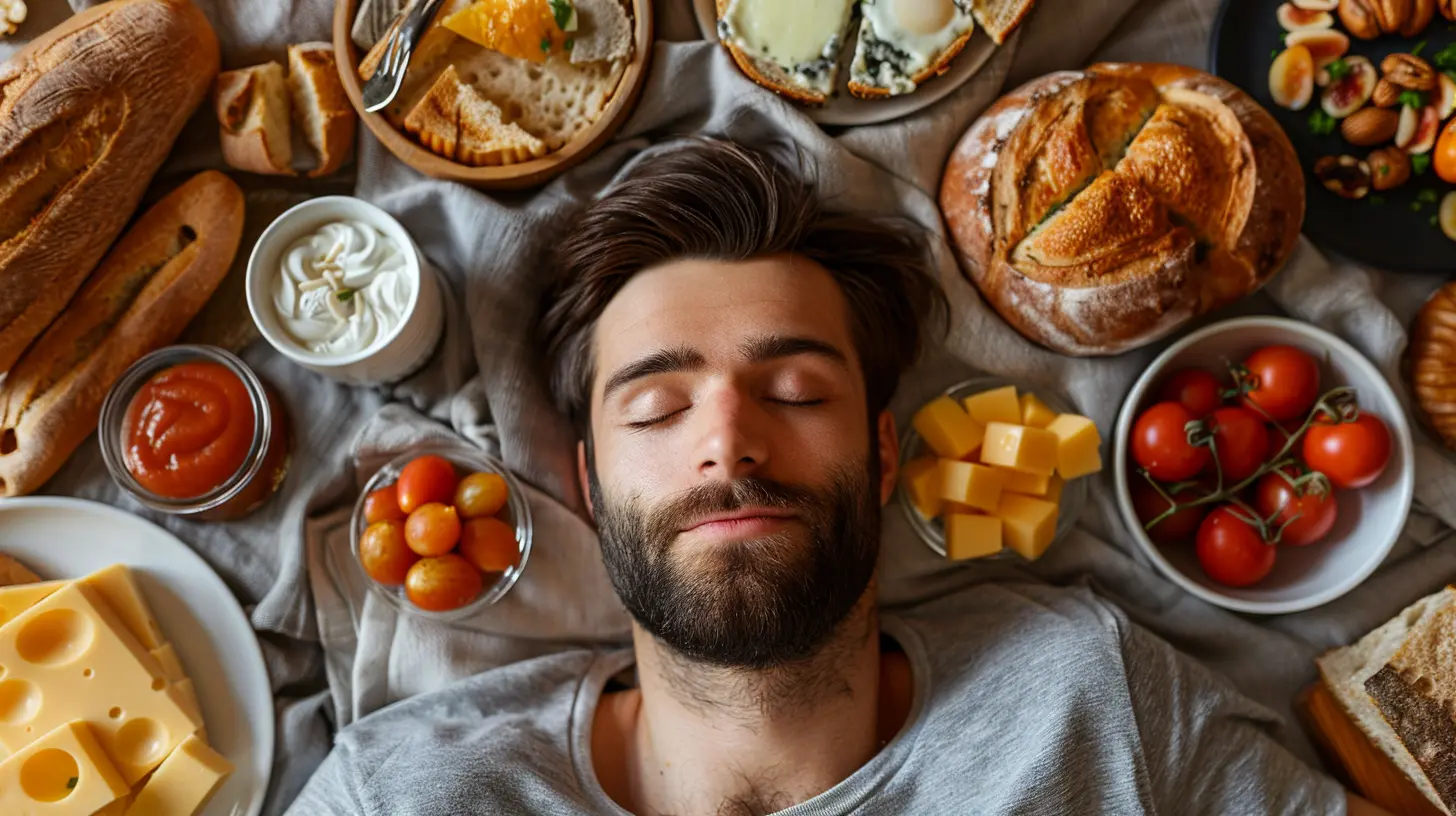
Why Food Affects Sleep (More Than You Think)
Before we dive into the good and the bad list, let’s get one thing straight—your body is wired to respond to nutrients in specific ways. Certain foods trigger brain chemicals like serotonin and melatonin, which regulate your sleep-wake cycle. Others stimulate cortisol, insulin spikes, and digestive activity that keep your system buzzing when it should be winding down.Think of it like your car engine. When you fuel it right, it runs smooth and quiet. Feed it junk, and it sputters, stalls, and overheats. Your body’s not much different.
Sleep-Friendly Nutrients to Know
So, what exactly should you be loading up on for better sleep? These superstar nutrients are key players when it comes to encouraging restful nights:- Melatonin – This hormone manages your natural sleep cycle. Some foods help your body produce it, others contain it directly.
- Magnesium – The ultimate chill pill. Helps relax your muscles and calm down your nervous system.
- Tryptophan – An amino acid that helps your body make serotonin (the feel-good, sleep-promoting hormone).
- Calcium – It helps your brain use tryptophan effectively. Think of it as tryptophan’s wingman.
- Vitamin B6 – Essential for converting tryptophan into melatonin and serotonin.
- Potassium – Keeps muscle cramps and nighttime wakeups in check.
Armed with this info, let’s jump into the foods that can either send you straight to dreamland—or keep you wide-eyed at 2 a.m.
Foods That Can Help You Sleep
You won't need sleeping pills if you work some of these foods into your routine. (Okay, maybe you still will for now—but trust the process and give it a shot!)1. Cherries
Yes, cherries. These tiny red gems are one of the very few natural sources of melatonin. Having a small bowl of fresh cherries or a glass of tart cherry juice an hour before bed can work wonders for your sleep.Pro tip: Tart cherry juice is more potent than sweet ones when it comes to boosting melatonin.
2. Almonds
Almonds are loaded with magnesium and healthy fats. Magnesium is especially important because low levels have been directly linked to insomnia. A handful of almonds in the evening might just do the trick.3. Bananas
This fruit is like a bedtime cocktail of magnesium and potassium. Both help your muscles relax, making it easier for your body to ease into sleep. Plus, there's some tryptophan in there too.4. Turkey
Ever felt sleepy after a big Thanksgiving dinner? Thank the turkey! It's high in tryptophan, which your body uses to make serotonin and melatonin.5. Oatmeal
Wait—oatmeal at night? Absolutely. It's a complex carb that helps with melatonin production, and it's soothing, warm, and comforting. Add a drizzle of honey and some almond milk? Boom—bedtime bliss.6. Yogurt
Calcium-rich foods like yogurt help the brain make the most out of tryptophan. Plus, the probiotics in yogurt keep your gut happy—and a healthy gut has been linked to better sleep (and better mood).7. Herbal Teas
Chamomile, valerian root, and lemon balm tea have long been used to calm the nervous system and promote sleep. Think of them as nature’s NyQuil, minus the grogginess.8. Kiwi
Small but mighty! Kiwi is rich in serotonin and antioxidants, which are both linked to improved sleep duration and quality. Some studies suggest that eating two kiwis before bed can help you fall asleep faster and stay asleep longer.
Foods That Can Seriously Mess With Your Sleep
Alright, now let’s talk about the culprits—the sleep stealers. These might be harder to cut back on (we’re looking at you, coffee), but knowledge is power. Once you see the impact they have, dialing them down starts to make sense.1. Caffeine (Not Just Coffee!)
We all know coffee is a stimulant, but did you know caffeine hides in way more than just your espresso shot? Chocolate, green tea, sodas, pre-workouts—they can all be sneaky saboteurs.Caffeine can stay in your system for up to 8 hours. So if you’re sipping coffee at 4 p.m., don’t be surprised if you're still counting sheep at midnight.
2. Alcohol
It might make you feel drowsy at first, but alcohol actually disrupts your sleep cycle. You may fall asleep fast, but the quality of your sleep will be trash—and you’ll likely wake up in the middle of the night feeling dehydrated and restless.3. Spicy Foods
Chili lovers, beware. Spicy food can raise your body temperature, which messes with your ability to fall into a deep sleep. It can also trigger acid reflux, especially if you eat close to bedtime. Heartburn + pillow = no thank you.4. Heavy or Fatty Meals
Your digestive system works overtime to process high-fat meals, slowing down your body's ability to rest. Think burgers, pizza, and creamy pasta late at night. Not a good combo with sleep.5. Sugary Treats
Sugar spikes your blood sugar and then drops it like a rollercoaster—which can cause your body to wake up in the middle of the night. Plus, high sugar intake is linked to more frequent nightmares and restless sleep.6. Processed Foods
Highly processed foods (like packaged snacks, instant noodles, and most fast food) tend to be high in sodium and additives. Sodium leads to water retention and high blood pressure, which can mess with your rest.The Timing Matters Too
It’s not just what you eat—it’s when you eat. Eating a huge meal 30 minutes before bed? Not a great idea. Try to finish eating at least 2–3 hours before you hit the hay so your body isn’t stuck digesting when it should be powering down.Small snack? Go for it. Just keep it balanced—something like a banana with almond butter or a slice of whole grain toast with turkey or hummus.
Build Your Sleep-Friendly Night Routine (With Food!)
Want to turn your diet into a sleep-enhancing superpower? Try this:- Dinner: Grilled salmon (omega-3s help boost melatonin) with roasted sweet potatoes and steamed spinach (full of magnesium and tryptophan)
- Evening snack: A bowl of Greek yogurt with a drizzle of honey and a few almonds
- Before bed: A hot cup of chamomile tea and maybe a kiwi if you're feeling fancy
Do this consistently, and watch how your body starts to naturally wind down easier each night.
Other Tips for Better Sleep (Besides Food)
Eating right is a big piece, but don’t forget the bigger picture. You’ll get the best results if you combine proper nutrition with a few healthy habits:- Stick to a consistent sleep schedule
- Limit screen time at least 30 minutes before bed
- Keep your bedroom cool, dark, and quiet
- Exercise regularly (but not right before bed)
- Get early morning sunlight whenever you can
Final Thoughts
Sleep is one of the most underrated health boosters out there—and what you eat can either become your secret sleep weapon or your insomnia enabler. The good news? You’ve got full control over what goes in your mouth.So next time you're tossing and turning, maybe it’s not stress or your mattress. Maybe it was the spicy nachos you ate at 10 p.m. Or maybe you forgot your bedtime banana-almond combo.
Food is powerful. Use it to your advantage.
all images in this post were generated using AI tools
Category:
Sleep HealthAuthor:

Tiffany Foster
Discussion
rate this article
2 comments
Sawyer Kelly
Forget counting sheep! If you’re munching on a midnight snack, make sure it’s not a spicy burrito—unless you want your dreams to be a wild fiesta!
March 10, 2026 at 5:12 AM
Tiffany Foster
Great point! Spicy foods like burritos can disrupt sleep, so it's best to opt for calming snacks instead.
Yvonne Frye
This article provides valuable insights on the relationship between food and sleep. It's essential to be mindful of what we eat before bedtime, as the right choices can significantly enhance sleep quality and overall well-being.
February 12, 2026 at 5:11 AM
Tiffany Foster
Thank you! I'm glad you found the insights helpful. Mindful food choices can indeed make a big difference in our sleep quality.