Encouraging Self-Care Habits in Children
31 July 2026
Let’s face it—getting kids to brush their teeth, eat veggies, or wash their hands without a battle can feel like trying to tame a wild dragon. You might be asking yourself, _“How do I get my child to care about taking care of themselves without turning into a nagging machine?”_ The answer isn’t as mysterious as it might seem. It’s all about building habits early, making it fun, and most importantly—being consistent.
Self-care isn’t just about hygiene. It’s about nurturing their mental, emotional, and physical well-being. When kids learn these habits young, they’re better equipped to handle stress, make healthy choices, and grow into confident, balanced adults. Think of self-care like teaching them to charge their internal battery—except instead of plugging into a wall, they plug into restful sleep, clean hands, and mindful moments.
So, let’s peel back the layers of this self-care onion and get to the juicy bits. Ready? Let’s go on this parenting adventure together.
Why Self-Care in Kids Is a Big Deal
Children aren't just small adults. Their brains are still cooking, their emotions are like untrained puppies, and they’re constantly learning from their surroundings. Building self-care routines now sets the foundation for how they treat themselves later in life.When kids learn to value self-care, they're unconsciously saying, "Hey, I'm worth taking care of." That one mindset shift can ripple into everything—from improved school performance to healthier relationships and higher self-esteem.
It's not just about teaching them to clean behind their ears (though that's important too). It's about creating a lifelong mindset of self-respect.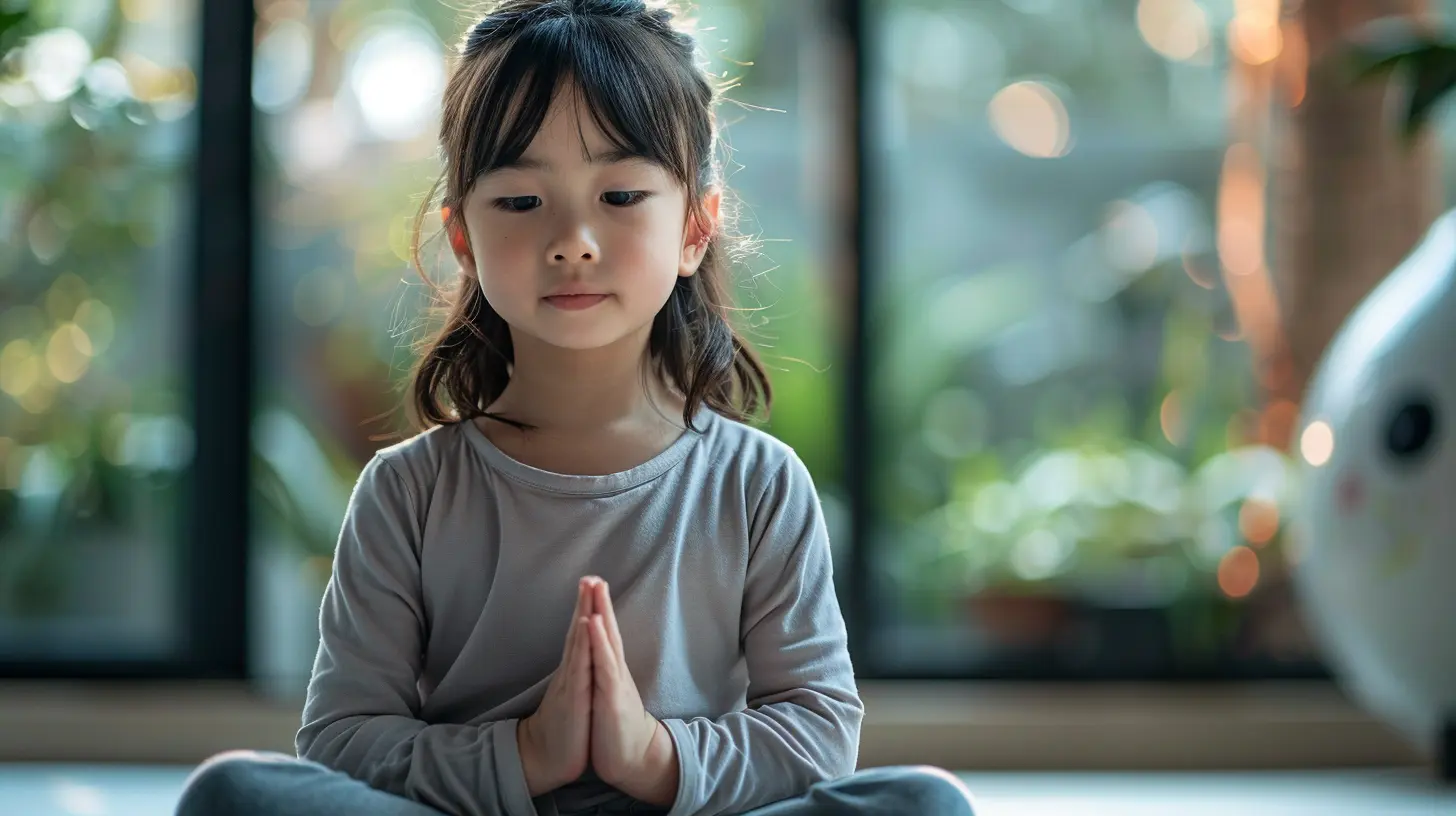
Start Early, Start Simple
Would you expect a toddler to meditate for 20 minutes with zen-like calm? Probably not. But you _can_ teach them to take deep breaths when they're upset or to wash their hands after coming in from playtime.The earlier you introduce self-care habits, the more naturally they become part of your child’s daily rhythm. Start with the basics:
- Brushing teeth twice daily
- Establishing a bedtime routine
- Washing hands before meals
- Drinking water regularly
- Getting daily physical activity
These are the building blocks—like the ABCs of self-care.
Make It Fun or Forget It
If it feels like a chore, kids will avoid it. Plain and simple.So, how do we avoid moans and groans? We make it fun! Turn brushing teeth into a dance party. Use bath time for silly games. Choose superhero-themed hand wash. Want them to journal? Buy them the coolest notebook and sparkly pens money can buy.
Here’s a parent hack: Turn routines into games. Like this one—
The “Bedtime Bingo” Challenge:
Make a simple bingo card with all their nighttime tasks—brush teeth, pajamas, pick a story, etc. Each night they complete one, they get to cover it up. Fill the card? Hello, reward time!
Lead By Example (They’re Watching You!)
Ever notice how your kid mimics your sighs, your hand gestures, even your expressions? It’s because children are born copycats.If you’re running on fumes, skipping meals, and glued to a screen all day—guess what? They’re learning that this is normal adult behavior.
One of the best ways to encourage self-care habits in children is by modeling it yourself. Show them how you take care of your body and mind. Say things like, “I’m taking a five-minute break to breathe,” or “I’m drinking this smoothie because it makes me feel strong.”
Your actions speak louder than your lectures.
Teaching Mindfulness Without the Woo-Woo
Mindfulness doesn’t have to be all incense and mantras—especially not for kids. It's really about helping them be aware of how they feel in the moment.Try introducing the “Color Game.” Ask your child to find 5 things they can see that are red, 4 that are blue, 3 they can feel, 2 they can hear, and 1 they can taste. It’s sneaky mindfulness wrapped up as a scavenger hunt!
Keep things simple and sensory-focused. Sometimes, asking a child how their day went is too broad. Instead, ask, “What was the best-smelling thing you smelled today?” or “What color felt the happiest today?”
Mindfulness gives kids emotional check-in tools they'll carry for life.
The Role of Routine
There’s something magical about routine. It’s like the unsung hero of parenting. Routines bring structure, security, and predictability. For kids, that means less anxiety and more confidence.Create a basic self-care schedule together with your child. Let them have a say. Should bath time be before or after story time? Do they want to pick their clothes the night before or in the morning?
Giving them a voice in the routine makes them more likely to stick to it. And once it becomes second nature? Boom—one less thing to nag about.
Encouraging Emotional Hygiene
Yep, emotional hygiene is a real thing. Just like brushing teeth prevents cavities, checking in on feelings prevents emotional buildup.Here’s how you can sneak emotional self-care into their daily habits:
- Name the feeling: “You seem frustrated. Is that what you’re feeling?”
- Normalize emotions: “It’s okay to feel sad or angry sometimes.”
- Offer tools: Deep breaths, squeeze balls, coloring, a walk outside, or quiet time in a cozy corner.
You’re helping your child build a toolkit they’ll dip into when life gets overwhelming.
Nutrition Is Self-Care Too (But Keep It Chill)
Food is fuel, but try telling that to a kid who only wants mac and cheese. Instead of forcing kale down their throat, get them involved in the process. Let them choose recipes, help with cooking, or name new food creations ("Superhero Salad," anyone?).Use food as an opportunity to talk about how it makes their bodies feel.
“Does that smoothie give you energy?”
“How does your tummy feel after eating those fries?”
Over time, they'll start noticing how food affects their mood, focus, and energy—and that's a major self-care win.
Sleep: The Original Recharge Button
If we could bottle and sell the power of good sleep, we’d all be billionaires. Kids need WAY more sleep than we think (some up to 12 hours a night!). Lack of sleep messes with behavior, focus, immune function, and mood.Make bedtime special, not stressful. Think dim lights, favorite stuffed animals, lavender spray, and a no-screens policy at least 30 minutes before sleep.
Tuck them in with consistent rituals. A song. A story. A goodnight mantra like, “You’re safe, you’re loved, and tomorrow is a new day.”
Let Them Fail—It's Part of the Process
Here’s a truth bomb: Kids won’t always get it right. And that’s okay.Skipped brushing teeth one night? Didn’t wash hands before dinner? Missed breakfast? Instead of swooping in like a helicopter, let them feel the natural consequences when safe to do so.
For example:
“Oof, your breath is stinky this morning. Brushing really helps with that!”
Mistakes are part of learning. Instead of shaming, guide them back with curiosity and compassion.
Celebrate Small Wins Like They're Huge
Progress is sneaky. It happens little by little.So, celebrate when they remember to do something on their own. Acknowledge their effort, not just the outcome.
“Wow, you remembered to wash your face without me asking. That’s awesome!”
Positive reinforcement creates motivation. And motivation? That’s the fuel for consistency.
Plug Into Tech (Strategically)
Who says screens are the enemy? Use technology to your advantage.There are tons of apps, videos, and games that teach meditation, hygiene, nutrition, and emotional skills in a fun, interactive way. Try apps like:
- Headspace for Kids
- Smiling Mind
- Moshi: Sleep and Mindfulness App
Just keep tabs on screen time limits and make sure technology is supporting their growth—not replacing connection.
Let’s Get Real—This Takes Time
You’re not going to see a Pinterest-perfect child with flawless self-care routines overnight. (And if you do, I need to meet this unicorn.)We’re aiming for progress, not perfection. Some days will go smooth. Others will be total disasters. But over time, those little habits add up. They become part of who your child is.
And years down the line, when they’re adults making smart choices about their well-being? That’s when you’ll know it was all worth it.
So take a deep breath, pat yourself on the back, and remember—every small step you take today plants the seed for a healthier, happier tomorrow.
Final Thoughts: You’re Raising More Than Just a Kid
You’re raising someone’s best friend. Someone’s coworker. Someone’s future self.Teaching children to prioritize themselves now means they’ll grow up rooted in self-respect, and that’s a gift that keeps on giving.
So, whether it’s tying shoes, brushing teeth, breathing through big feelings, or learning to rest—keep showing up. Keep encouraging. You got this.
And remember: Dragons are pretty wild… until someone teaches them how to fly.
all images in this post were generated using AI tools
Category:
Childrens HealthAuthor:

Tiffany Foster