Childhood Cough and Cold Care: What Works and What Doesn’t
10 August 2026
When your little one starts sniffling and coughing, it can be tough to know what actually helps and what’s just old wives' tales. As parents, we want to do everything in our power to make our children feel better, but with so much conflicting advice out there, separating fact from fiction isn’t always easy. So, what really works when it comes to treating childhood coughs and colds? And what should you avoid? Let’s break it down.
Understanding the Common Cold and Cough
Before tackling remedies, it's essential to understand the basics. The common cold is caused by viruses—over 200 different ones, in fact! Among them, rhinoviruses are the biggest culprits. A cold usually brings along symptoms like a runny nose, sneezing, congestion, mild fever, and, of course, that pesky cough.Childhood coughs are typically triggered by postnasal drip or irritation in the throat. While they can be frustrating (for both you and your child), they usually go away on their own within a week or two. But during that time, what can actually help? 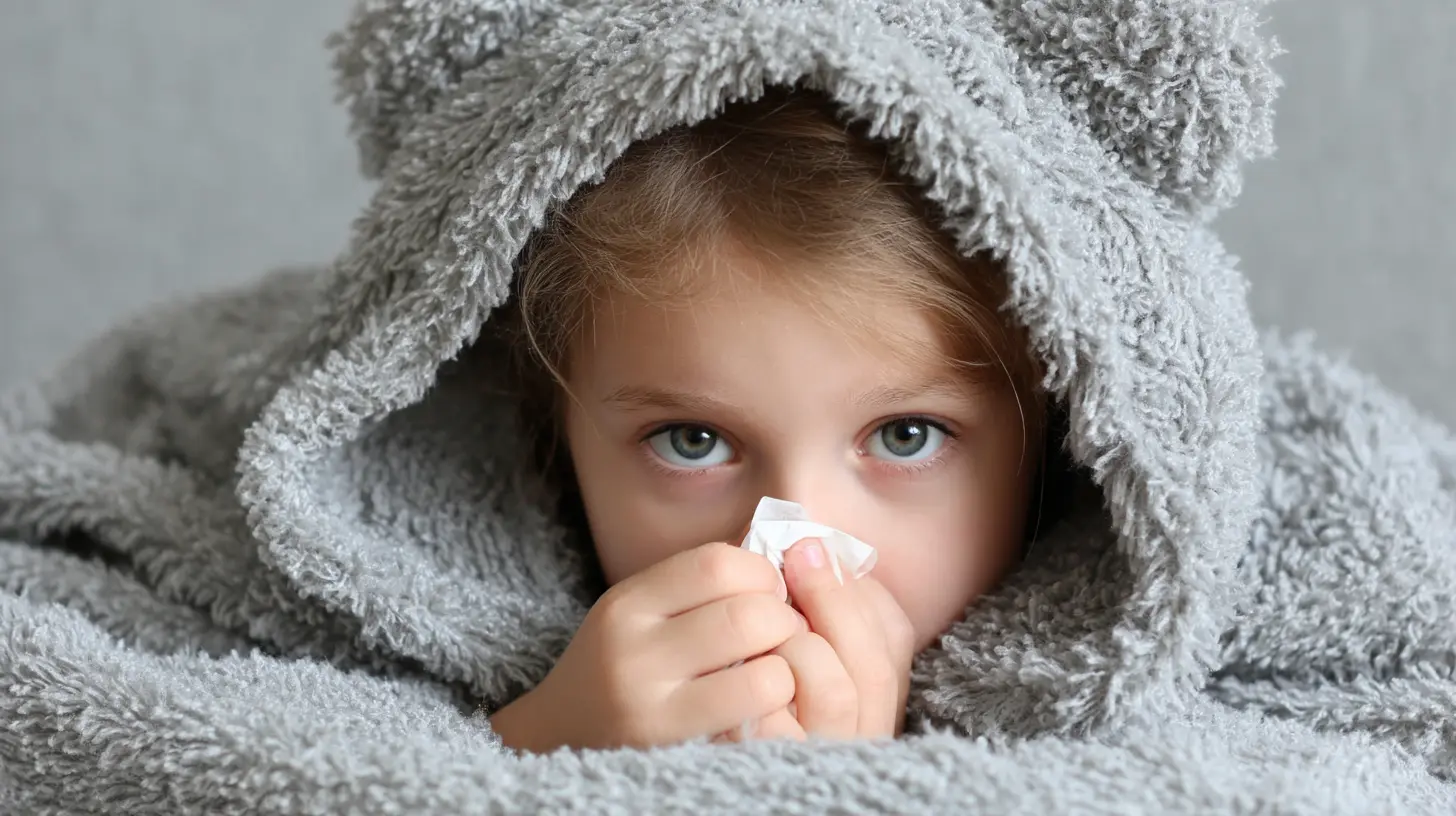
What Works for Childhood Coughs and Colds?
Let’s get straight to the point—some remedies can truly help your child feel better. Here are the ones worth trying:1. Plenty of Rest and Comfort
It sounds simple, but rest is one of the most powerful tools for recovery. When kids are sick, their bodies need extra energy to fight off the virus. So, let them sleep in, nap during the day, and take it easy.2. Hydration Is Key
Fluids help thin mucus, preventing congestion from getting worse. Water, warm soups, and herbal teas (safe for kids) can soothe their throat and keep them hydrated. If your child resists plain water, offer diluted fruit juice or electrolyte drinks.3. Honey (For Kids Over 1 Year Old)
Honey is one of the best natural cough remedies—it coats the throat, reduces irritation, and even has antimicrobial properties. A teaspoon before bed can work wonders for cough relief. However, never give honey to babies under one year old due to the risk of botulism.4. Saline Nasal Drops and Spray
Saline drops help flush out mucus, making it easier for kids to breathe. For younger children, you can follow it up with a bulb syringe to gently remove excess mucus.5. A Humidifier or Steam
Dry air can make congestion and coughing worse. Running a cool-mist humidifier in your child’s room adds moisture to the air, soothing their airways. Alternatively, a warm shower or steam inhalation can help break up mucus.6. Warm Liquids (Like Chicken Soup)
Grandma was onto something! Chicken soup isn’t just comfort food—it has anti-inflammatory properties that help ease cold symptoms and keep your child hydrated. Warm broths, herbal teas (caffeine-free), and warm water with lemon can also be beneficial.7. Elevate the Head During Sleep
For older kids who can safely sleep with extra pillows, slightly elevating their head can help reduce postnasal drip and nighttime coughing. For younger babies, you can slightly elevate the crib mattress by placing a rolled towel under one side—but always follow safe sleep guidelines.
What Doesn’t Work (And Might Even Be Harmful)
Not all remedies are effective, and some can even be dangerous. Here’s what to avoid:1. Over-the-Counter (OTC) Cough and Cold Medicines for Young Kids
The FDA and pediatricians strongly advise against giving OTC cough and cold medications to children under 4 years old (and recommend caution up to age 6). These meds don’t work well in young kids and can cause serious side effects, including drowsiness, dizziness, or even life-threatening complications like slowed breathing.2. Antibiotics (Unless There’s a Bacterial Infection)
Colds and most coughs are caused by viruses, meaning antibiotics won’t help. They only work against bacterial infections, like strep throat or pneumonia. Using antibiotics unnecessarily can lead to antibiotic resistance, making infections harder to treat in the future.3. Cough Suppressants for Wet Coughs
Suppressing a wet cough isn’t always a good idea—it prevents mucus from being cleared out of the lungs. Instead of stopping the cough, focus on remedies that make the mucus thinner and easier to expel.4. Essential Oils Used Improperly
Although some essential oils have potential benefits, they can be dangerous for young children if not used correctly. Oils like eucalyptus and peppermint should never be applied directly to a child’s skin or near their nose, as they can cause breathing problems. Always dilute and use caution.5. Vitamin C and Zinc as a Cure
Many parents turn to vitamin C or zinc supplements in hopes of shortening colds. While these nutrients are essential for immune health, studies show they don’t significantly reduce how long a cold lasts. That said, a diet rich in fruits and vegetables naturally provides these vitamins, which help maintain a strong immune system.6. Alcohol or Menthol Rubs
Some believe that rubbing alcohol or menthol-based products on a child's chest or feet clears congestion. Unfortunately, not only is this ineffective, but menthol can also irritate young children’s airways, potentially making breathing more difficult!
When to Call the Doctor
Most childhood colds and coughs are harmless and go away on their own. However, some symptoms require medical attention. Here’s when you should call your pediatrician:- High fever (above 102°F) that lasts more than a couple of days
- Rapid or labored breathing
- Wheezing or persistent cough that lasts more than three weeks
- Refusal to drink fluids, leading to dehydration
- Ear pain or tugging at ears, which could indicate an ear infection
- Green or yellow mucus that lasts longer than 10 days (it might indicate a bacterial infection)
Trust your parental instincts—if something feels off, don’t hesitate to check with your doctor.
Final Thoughts
Caring for a child with a cough or cold can be exhausting, but patience is key. The good news? Most colds resolve on their own within 7 to 10 days. Stick to remedies that actually work—like hydration, honey, rest, and humidifiers—while avoiding unnecessary medicines or ineffective treatments.At the end of the day, there’s no magic cure for the common cold, but with a little TLC, your child will be back to their energetic self in no time. And remember, the best way to handle frequent colds is prevention—encourage good handwashing habits, keep their immune system strong with a healthy diet, and make sure they get plenty of sleep.
Got any go-to remedies that have worked wonders for your child? Share them with other parents in the comments below!
all images in this post were generated using AI tools
Category:
Childrens HealthAuthor:

Tiffany Foster