Busting Common Myths About Organic Farming Practices
11 May 2026
Organic farming has gained immense popularity over the years, but with that popularity comes a wave of misconceptions. Some people believe organic farms are inefficient, while others think they don’t use any pesticides at all. The internet is flooded with conflicting information, making it difficult to separate fact from fiction.
In this article, we will bust some of the most common myths about organic farming practices and establish the truth behind them. Ready? Let’s dive in!
Myth #1: Organic Farming Doesn’t Use Pesticides
One of the biggest misconceptions about organic farming is that it’s completely pesticide-free. While it’s true that organic farmers avoid synthetic pesticides, this doesn’t mean they don't use pest control methods.The Truth
Organic farmers use natural pesticides derived from plants, minerals, or microorganisms. These include substances like neem oil, pyrethrin, and diatomaceous earth. While these pesticides are generally considered safer than synthetic ones, they are still regulated to ensure they don’t harm the environment or consumers.In fact, even conventional farmers use some of these organic-approved pesticides. The key difference? Organic farming focuses on integrated pest management (IPM)—a holistic approach that minimizes the need for chemical interventions by promoting biodiversity and natural predators to control pests.
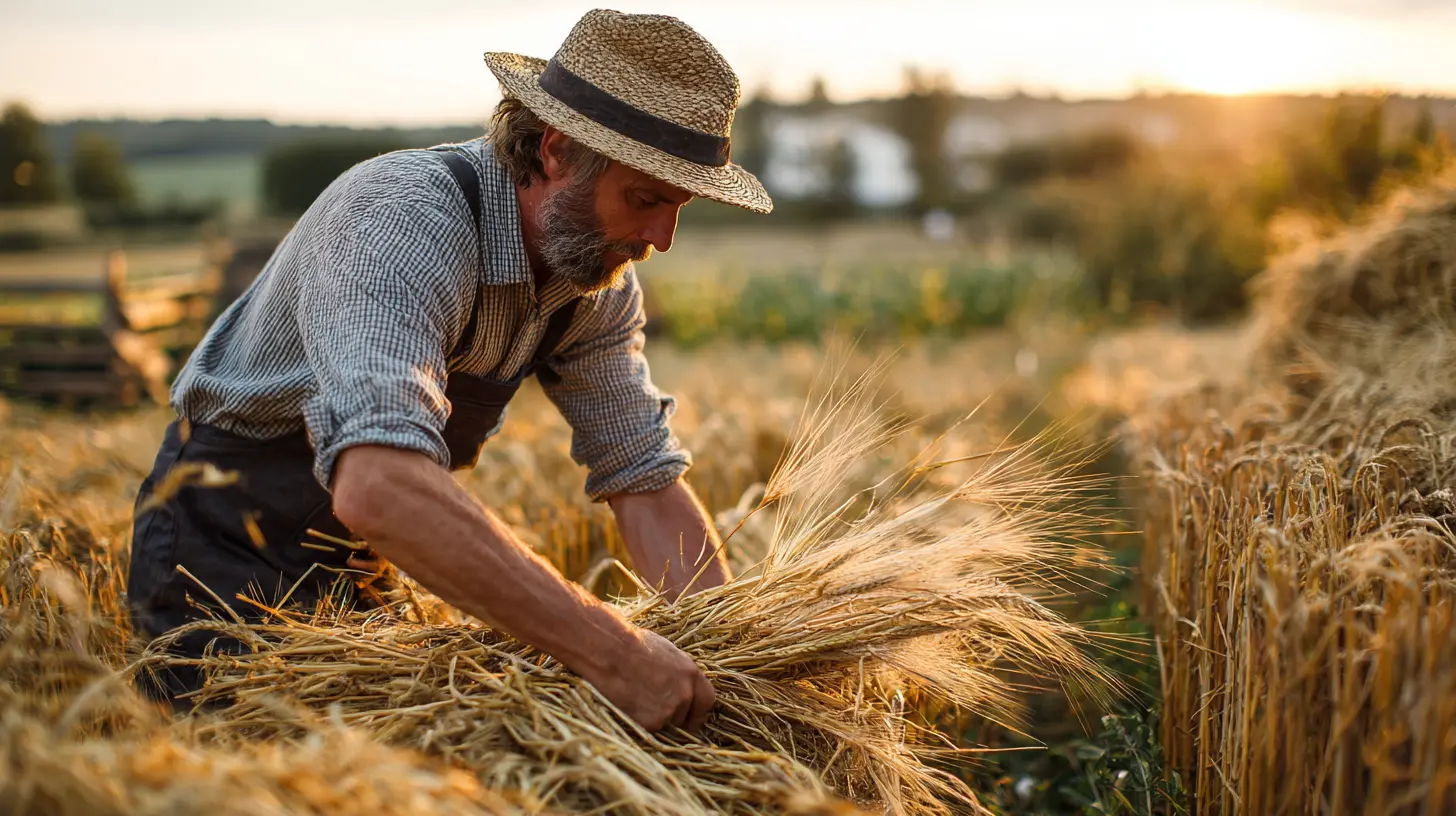
Myth #2: Organic Farming Can’t Feed the World
A common argument against organic farming is that it produces lower yields compared to conventional farming, making it unable to feed the world’s growing population. But is this really true?The Truth
While organic farming may not always match the high yields of conventional farming, it prioritizes long-term soil health and sustainability. Studies have shown that in drought conditions, organic farms can actually outperform conventional farms due to their healthier, water-retentive soils.Additionally, focusing only on yield ignores other critical factors, such as:
- Food Waste: Nearly 30-40% of food produced globally goes to waste. If we reduce food waste, our food supply automatically becomes more sufficient.
- Sustainable Practices: Conventional farming depletes soil nutrients over time, leading to a decline in productivity. Organic methods improve soil fertility, ensuring future generations can continue farming the same land.
- Diversified Farming: Organic farms often grow multiple crops, reducing the risk of total crop failure and increasing overall food availability.
In short, organic farming alone may not “feed the world,” but when combined with better food distribution and waste reduction, it plays a vital role in global food security.
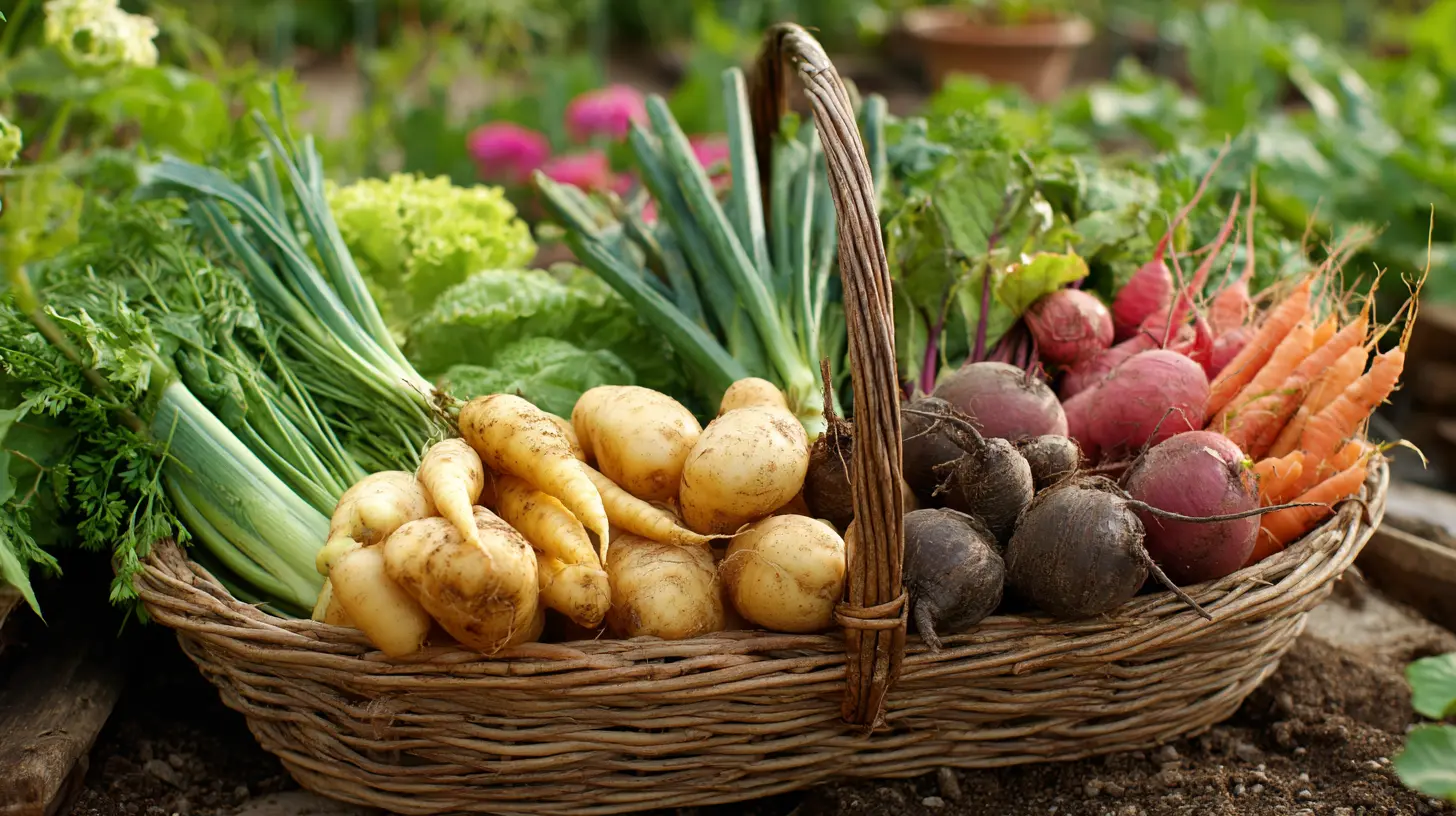
Myth #3: Organic Food Is No Healthier Than Conventional Food
You’ve probably heard people say, “Organic food isn’t any better for you.” Some critics argue that organic food has the same nutritional value as conventionally grown food. But is that the full picture?The Truth
While macro-nutrients (carbohydrates, proteins, and fats) remain similar, the quality of nutrients in organic food is often higher. Here’s why:- Fewer Pesticide Residues: Organic food contains significantly lower pesticide levels, reducing long-term exposure to harmful chemicals.
- Higher Antioxidant Levels: Studies suggest that organic crops have higher levels of antioxidants, which help fight diseases.
- Better Fat Composition in Animal Products: Organic dairy and meat products tend to have more omega-3 fatty acids, which are essential for heart health.
So while an organic apple may not have more vitamin C than a conventional apple, it comes with fewer chemical residues and potentially more beneficial compounds.
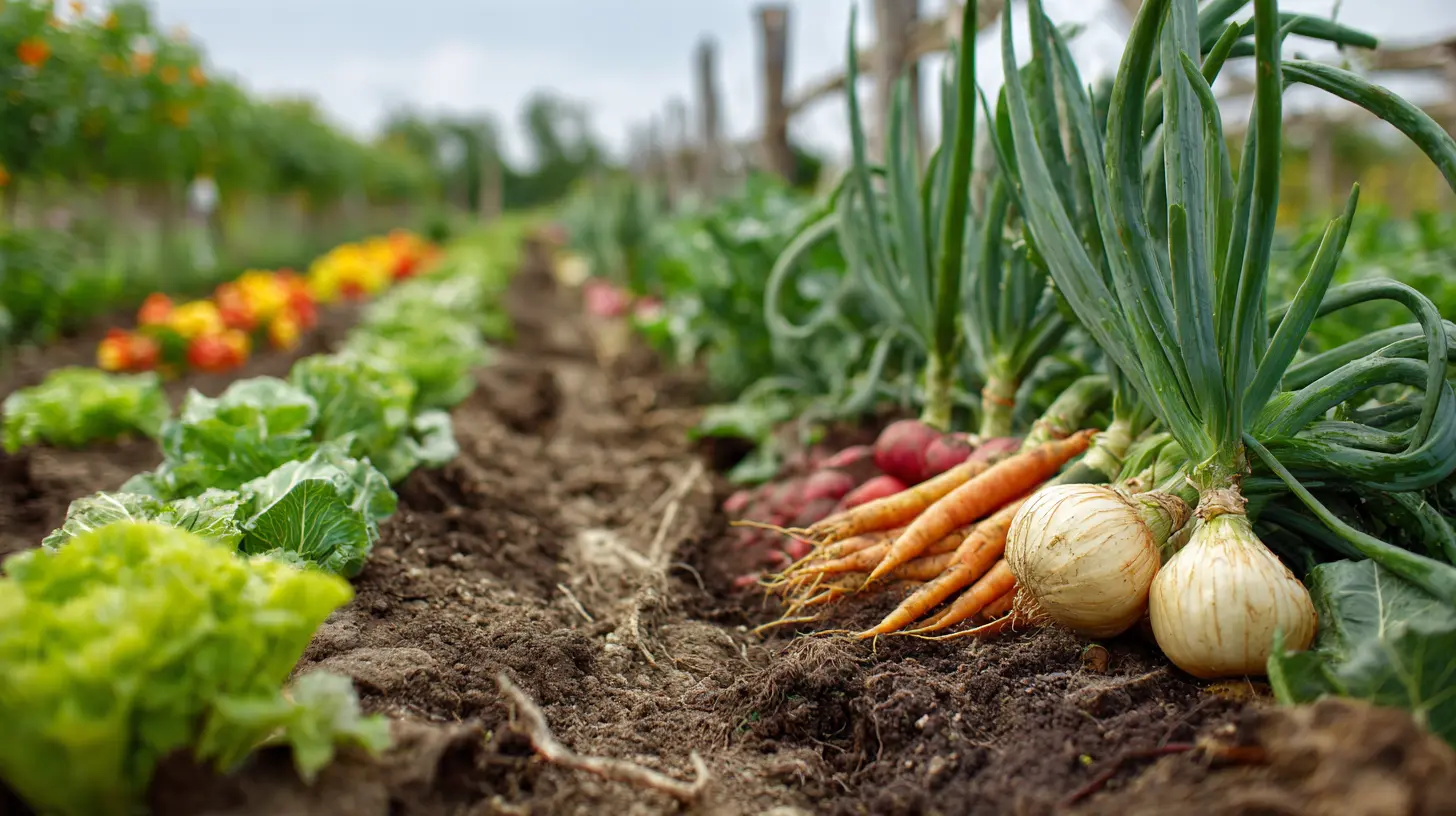
Myth #4: Organic Farming Is Just a Marketing Gimmick
Some people believe that organic farming is nothing more than a trendy marketing scheme designed to charge higher prices for the same food.The Truth
Organic certification is not just a label slapped on food items—it involves strict regulations and third-party inspections. Farmers must follow specific guidelines to maintain their organic status, including:- Avoiding synthetic fertilizers and pesticides
- Encouraging biodiversity and crop rotation
- Using organic feed for livestock
- Abstaining from genetically modified organisms (GMOs)
Yes, organic food is often more expensive, but that’s because organic farming requires more labor-intensive practices, lower yields, and higher certification costs. It’s not just a marketing ploy—it’s a commitment to sustainable and ethical farming.
Myth #5: Organic Farming Is Bad for the Environment Because It Uses More Land
Critics argue that organic farming requires more land to produce the same amount of food as conventional farming, making it worse for the environment.The Truth
While organic farming may require more land per yield, this argument ignores its long-term environmental benefits:- Better Soil Health: Organic methods enhance soil fertility, reducing the need for synthetic fertilizers that contribute to climate change.
- Less Water Pollution: Conventional fertilizers often cause water contamination, leading to problems like algal blooms. Organic farms use natural composts, preventing such issues.
- Lower Carbon Footprint: Organic farming reduces greenhouse gas emissions by minimizing synthetic inputs and improving carbon sequestration in the soil.
Rather than looking at just yield per acre, we should consider the big picture: unsustainable farming practices will degrade land in the long run, making future food production even harder.
Myth #6: Organic Farming Only Benefits the Rich
Many people think organic food is a luxury that only the wealthy can afford. While organic products do cost more, does that mean organic farming is only serving the privileged?The Truth
Organic farming isn't just about high-end grocery stores and fancy restaurants—it’s also about empowering local farmers and ensuring food security.- Small-Scale Farmers Benefit: Many small-scale farmers around the world rely on organic practices because they can’t afford expensive synthetic fertilizers or pesticides.
- Community-Supported Agriculture (CSA): CSAs and local farmers' markets make organic food more affordable and accessible.
- Long-Term Cost Savings: While organic food may cost more upfront, healthier soils and reduced chemical use lower farming expenses over time.
Instead of seeing organic farming as a luxury, let’s recognize it as a step towards a more sustainable food system for all.
Myth #7: Organic Farmers Don’t Use Technology
Some people assume organic farming is just old-school, anti-technology farming. They picture farmers using only hand tools and avoiding modern advancements.The Truth
Organic farming is not about rejecting technology—it’s about using the right kind of technology to promote sustainability.- Drones & AI: Many organic farms use drones to monitor crops and detect pest infestations early.
- Soil Health Monitoring: Advanced soil testing helps farmers optimize nutrient levels naturally.
- Automation: Organic farmers use mechanized equipment for planting, harvesting, and composting.
Organic farmers embrace technology where it aligns with sustainable principles—they just avoid technologies that harm soil health, biodiversity, or human health.
Conclusion
Organic farming is often misunderstood, with myths making it seem unrealistic, ineffective, or just a marketing gimmick. But the truth is, organic farming plays a crucial role in sustainable agriculture, offering long-term benefits for our health, environment, and future food security.Is organic farming perfect? No. But by busting these myths, we take a step toward making informed choices about the food we eat and the farms we support.
all images in this post were generated using AI tools
Category:
Organic FoodsAuthor:

Tiffany Foster
Discussion
rate this article
2 comments
Alexa West
This article effectively challenges misconceptions about organic farming, highlighting its environmental benefits and sustainable practices. Understanding these facts helps consumers make informed choices and supports a healthier planet for all.
July 2, 2026 at 2:35 AM
Tiffany Foster
Thank you for your thoughtful comment! I'm glad the article resonated with you and helped clarify the benefits of organic farming. Making informed choices is indeed crucial for our planet's health.
Lincoln Foster
Organic farming myths are like bad hair days-unnecessary and easily fixed. If you think organic means low yield or no fun, you're missing out on a deliciously sustainable reality. Get informed!
May 14, 2026 at 5:00 AM
Tiffany Foster
You're right! Organic farming is both productive and rewarding. It's time to break those myths and embrace the benefits. Thanks for sharing your thoughts!