Balanced Nutrition: How to Keep It Simple Without Sacrificing Quality
9 August 2026
Let’s be honest. The idea of eating “healthy” feels overwhelming sometimes, right? With all the conflicting advice, trendy diets, food labels that require a degree to decipher, and social media influencers preaching the next big thing—healthy eating can start to feel anything but simple.
But here's the good news: balanced nutrition doesn’t have to be complicated. In fact, it can be easy, downright enjoyable, and—wait for it—totally delicious.
In this guide, we’re breaking it all down. No jargon. No guilt. Just practical, real-life advice for keeping your meals balanced without losing your mind (or spending your entire paycheck at the grocery store). Ready to simplify your nutrition without sacrificing quality? Let’s dive in.
What Does “Balanced Nutrition” Really Mean?
Before we start chopping veggies and meal planning, we need to understand what balanced nutrition is.In basic terms, balanced nutrition means you're giving your body the nutrients it needs in the right proportions. It’s about feeding your body a mix of carbs, proteins, fats, vitamins, and minerals—without going overboard or leaving anything out.
Think of your body like a car. It needs fuel (calories), oil (fats), spark plugs (proteins), and all the tiny internal parts (vitamins and minerals) to run smoothly. If one part’s missing or too much, the whole system gets a bit... clunky.
Balanced nutrition keeps everything running optimally—your energy, focus, sleep, mood, and yes, even your bathroom schedule.
Why Simplicity Wins Every Time
Let’s address the elephant in the room: most of us don’t have hours to plan, prep, and perfect our meals. Life’s messy and busy—and healthy eating has to fit into real life.That’s why keeping things simple is key.
If you’ve ever tried a complicated diet, you know it only takes a bad day or a busy week to throw it out the window. The simpler your nutrition plan, the easier it is to stick with it long-term.
Simplicity doesn’t mean cutting corners on quality. It means focusing on what actually works. It means unlearning all the noise and going back to the basics.
The Core of Balanced Eating: The Big Three
Let’s introduce the VIPs of any balanced plate:1. Protein — Your Repair Crew
Protein isn’t just for bodybuilders. It’s essential for everyone. It repairs tissues, builds muscle, supports immune function, and keeps you full longer.Good, simple protein sources:
- Eggs
- Chicken or turkey
- Fish (like salmon or tuna)
- Greek yogurt
- Lentils & beans
- Tofu or tempeh
Tip: Aim to include a source of protein in every meal. It’ll help stabilize your blood sugar and keep afternoon snack attacks at bay.
2. Carbohydrates — Your Main Energy Source
Carbs get a bad rap, but they’re not your enemy. Your brain, muscles, and organs run largely on glucose—a form of sugar that comes from carbs.Focus on complex carbs over processed ones. These keep you energized without the crash:
- Whole grains (brown rice, quinoa, oats)
- Sweet potatoes
- Beans and legumes
- Fruits and vegetables
Think of carbs as the reliable fuel, like the gas in your tank.
3. Healthy Fats — Your Brain’s Best Friend
Fats are vital (yes, even when trying to lose weight). They support brain health, hormone production, and help your body absorb fat-soluble vitamins like A, D, E, and K.Go for:
- Avocados
- Olive oil
- Nuts and seeds
- Fatty fish (salmon, mackerel)
- Nut butters
Just be mindful with portions. Fats are calorie-dense, but they’re oh-so-satisfying.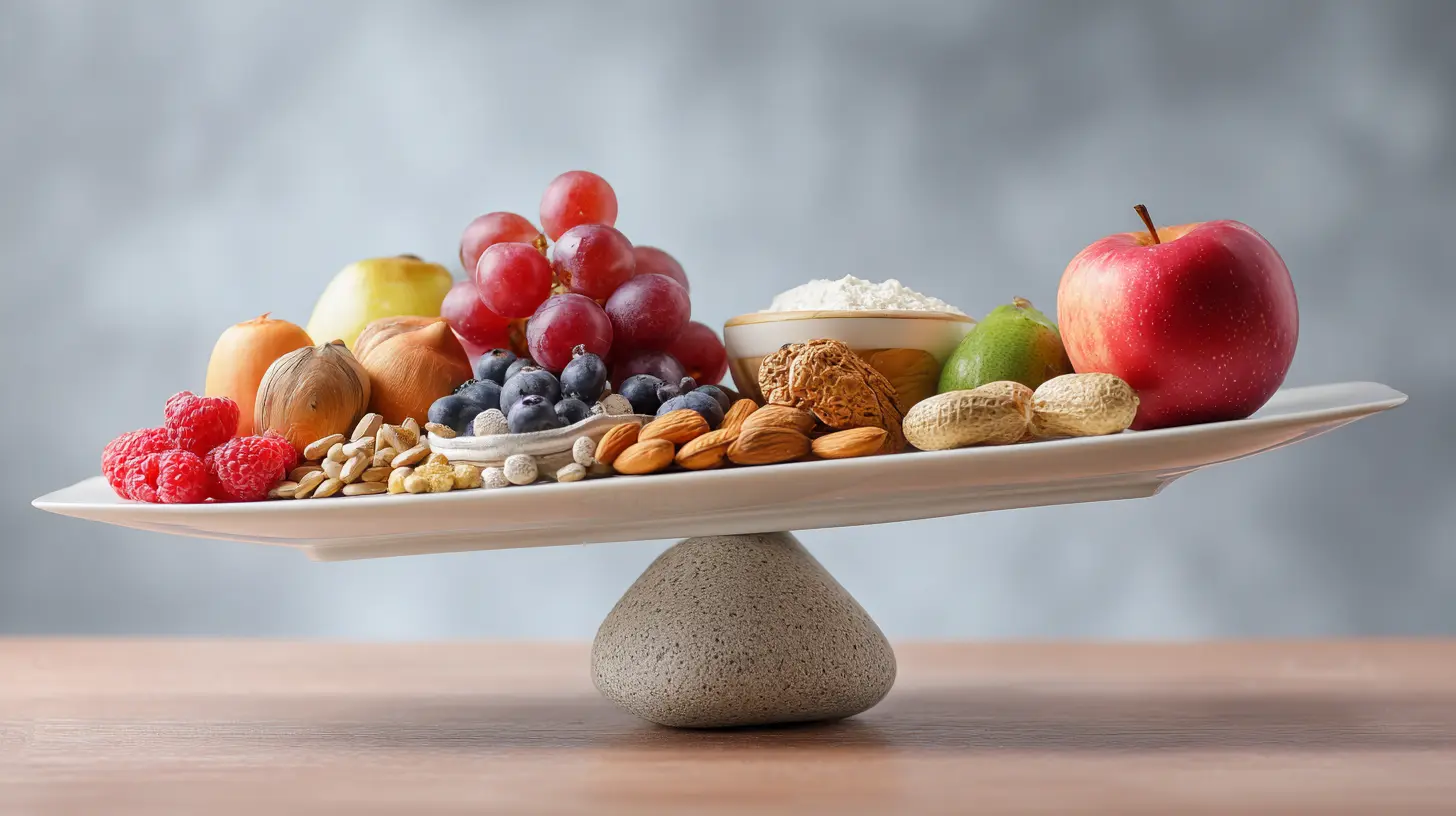
Building a Balanced Plate (Made Easy)
Here’s an easy hack: use the “Balanced Plate Formula”.? Half your plate = veggies & some fruit
? One-quarter = protein
? One-quarter = whole grains or starchy carbs
? A drizzle or handful = healthy fat
Visualize your meal like a pie chart. This method works whether you're cooking at home, ordering takeout, or fixing a salad at the work cafeteria.
Keep it visual. Keep it simple.
Eat the Rainbow (And No, Not Skittles)
You’ve probably heard the "eat the rainbow" advice. Why’s that important?Because colorful fruits and veggies each bring different nutrients and antioxidants to the table.
? Red (like tomatoes, watermelon): great for heart and skin health
? Orange (carrots, sweet potatoes): high in beta-carotene for eye health
? Yellow (bell peppers, corn): immune boosters
? Green (spinach, broccoli): loaded with calcium, iron, fiber
? Blue/Purple (berries, eggplant): packed with antioxidants for brain health
Nature designed this for a reason. A colorful plate means you’re covering more nutritional ground—without tracking every vitamin manually.
How to Keep Quality High Without Going Broke
Healthy eating isn’t just for people with Whole Foods budgets (bless them). You can eat well on a tight budget—it just takes a little strategy.Budget-Friendly Tips:
- Buy frozen veggies & fruits: Just as nutritious and cheaper than fresh.- Meal prep staples: Cook large batches of rice, beans, or lean proteins for the week.
- Shop sales & stock up: When your favorite healthy items are on sale, freeze or store them.
- Choose store brands: They’re often the same product—just cheaper.
- Don’t fear canned goods (beans, tomatoes, tuna): Just look for low-sodium versions.
Quality isn’t always about price. It’s about choosing whole foods most of the time—and making peace with convenience foods when life gets nuts.
Listen to Your Body (Seriously)
Ever eat a meal that should be healthy but leaves you feeling bloated, tired, or just “meh”? That’s your body talking.Balanced nutrition doesn’t just come from a chart. It comes from tuning in.
Pay Attention To:
- How you feel after eating (energized? sluggish?)- Your hunger and fullness cues (are you eating mindfully or on autopilot?)
- How certain foods affect your sleep, skin, digestion, and mood
Intuitive eating is part of balanced nutrition. It’s about eating with awareness, not rules.
Keep Meals Interesting (Without Overcomplicating)
Even simple meals can get boring if you eat the same thing every day. Spice things up with:- Seasonings and herbs: Fresh garlic, basil, cumin, turmeric can transform a dish
- Mixing up textures: Crunchy nuts on creamy yogurt or roasted veggies with quinoa
- Trying new combos: Ever had peanut butter on a sweet potato? Game changer.
Eating well doesn’t mean punishing your taste buds. Food is meant to be enjoyed.
Don’t Let Perfect Be the Enemy of Good
Let’s get one thing straight: every meal doesn’t have to be picture perfect.Balanced nutrition isn’t an all-or-nothing game. It’s a long-term relationship, not a one-night stand.
You’ll have days where you eat veggies, drink water, and feel like a nutrition rockstar. You’ll also have days with drive-thru dinners and late-night cookies.
Both are okay.
Progress over perfection. Always.
Simple Swaps That Make a Big Difference
Want a super easy way to boost your nutrition without missing out on flavor or comfort?Try these:
- White rice → Brown rice or quinoa
- Sugary cereal → Oats with berries and nuts
- Soda → Sparkling water with lemon or lime
- Regular chips → Roasted chickpeas or air-popped popcorn
- Ice cream → Frozen banana “nice cream” with peanut butter
These swaps aren’t about restriction—they’re about upgrading.
The Truth? Consistency Beats Perfection
You don’t need to eat perfectly to be healthy. You just need to eat well most of the time.Tiny habits add up: drinking enough water, adding one extra veggie each day, prepping some meals ahead, or choosing whole grain over white bread.
It's the small, consistent steps that lead to lasting change.
Final Thoughts: Keep It Simple, Keep It Real
Balanced nutrition isn’t a finish line—it’s more like a lifelong adventure. And just like any journey, it’s so much better when you cut the drama and enjoy the ride.Let food be fuel, nourishment, and joy—not stress. Don’t overthink every bite. Start with small changes. Celebrate your wins.
You’ve got this.
all images in this post were generated using AI tools
Category:
Healthy RoutineAuthor:

Tiffany Foster