Are Plant-Based Alternatives to Dairy and Meat Healthier?
7 May 2026
In recent years, plant-based diets have taken the world by storm. Whether it's for ethical reasons, environmental concerns, or health benefits, many people are swapping out traditional dairy and meat for plant-based alternatives. But are these substitutes actually healthier? Or are they just another food trend? Let's dive deep into the facts and uncover the truth. 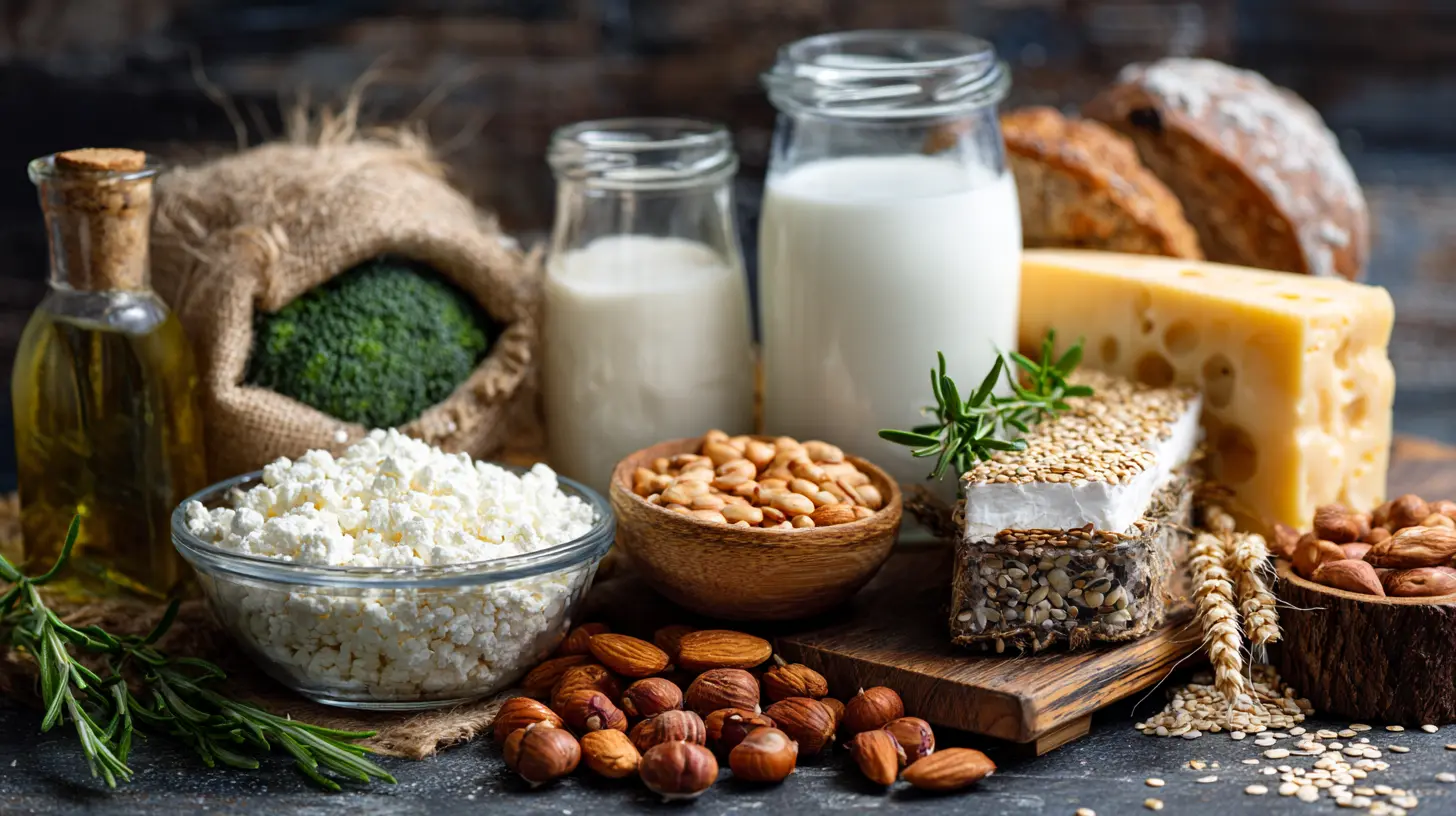
The Rise of Plant-Based Alternatives
Plant-based milk, burgers, cheese, and even eggs are popping up on grocery shelves and restaurant menus everywhere. From almond milk in your morning coffee to a juicy Beyond Burger at your favorite fast-food joint, it's easier than ever to go plant-based.But this movement isn’t just about variety—it's fueled by health-conscious individuals looking for better options. The billion-dollar question is: do plant-based alternatives truly offer superior health benefits over traditional dairy and meat? 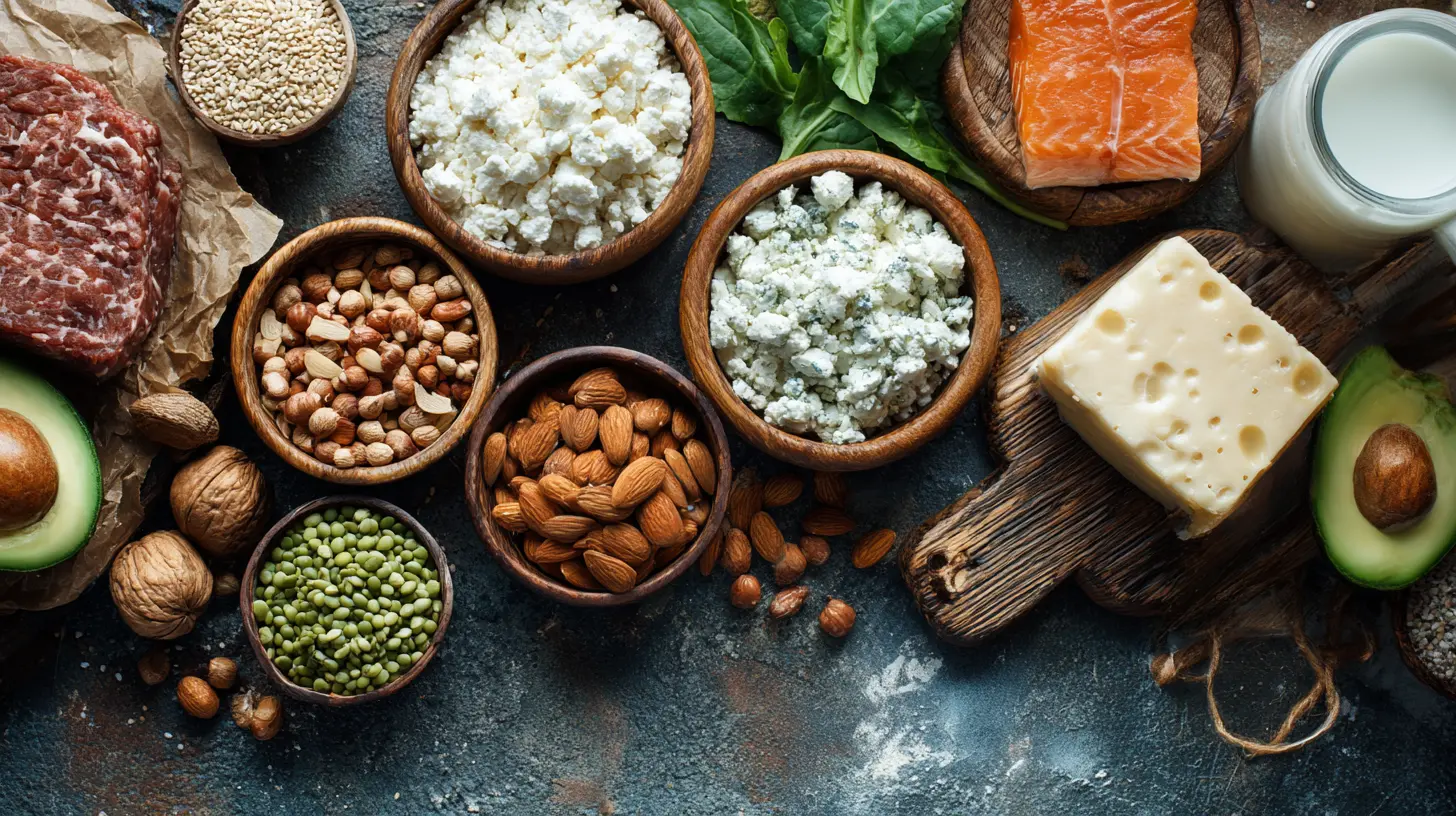
Nutritional Comparison: Plant-Based vs. Animal Products
1. Protein Content: Are Plants Enough?
One major concern with plant-based alternatives is protein. Traditional meat and dairy are packed with high-quality protein, providing all essential amino acids our body needs.- Meat vs. Plant-Based Burgers: While beef contains 25-30g of protein per serving, plant-based burgers typically have 15-20g. Some brands add pea or soy protein to boost the protein levels, but they don't always match the amino acid profile of real meat.
- Cow’s Milk vs. Plant-Based Milk: Regular cow’s milk is naturally rich in protein (about 8g per cup), while most plant-based milks contain only 1-2g unless fortified. Soy milk is the exception, offering a comparable protein level.
? Bottom Line: If you're replacing animal products with plant-based alternatives, be mindful of your protein intake and choose enriched options.
2. Vitamins and Minerals: Are You Missing Out?
Traditional meat and dairy are nutrient powerhouses. They provide essential vitamins and minerals our bodies rely on, such as:- Vitamin B12 – Found naturally in meat and dairy, crucial for brain and nerve function. Most plant-based foods lack B12, requiring supplements or fortified products.
- Iron – Meat contains heme iron, which is more easily absorbed by the body than the non-heme iron found in plants.
- Calcium – Dairy products are packed with calcium (30% of your daily needs per cup of milk). Some plant-based milks are fortified with calcium, but check the label to be sure.
? Bottom Line: While plant-based alternatives can offer some nutrients, they may lack essential ones like B12 and heme iron. Supplementation or choosing enriched products is crucial for a balanced diet.
3. Saturated Fats and Heart Health
One of the biggest reasons people switch to plant-based alternatives is the belief that they’re better for heart health. Traditional meat and dairy can be high in saturated fats, which have been linked to heart disease when consumed in excess.- Plant-based burgers and dairy alternatives tend to be lower in saturated fat—especially if they rely on nuts or legumes. However, many processed alternatives contain coconut oil or palm oil, which can be high in saturated fats, negating some of the health benefits.
? Bottom Line: If heart health is your priority, choose plant-based options that are low in saturated fat. 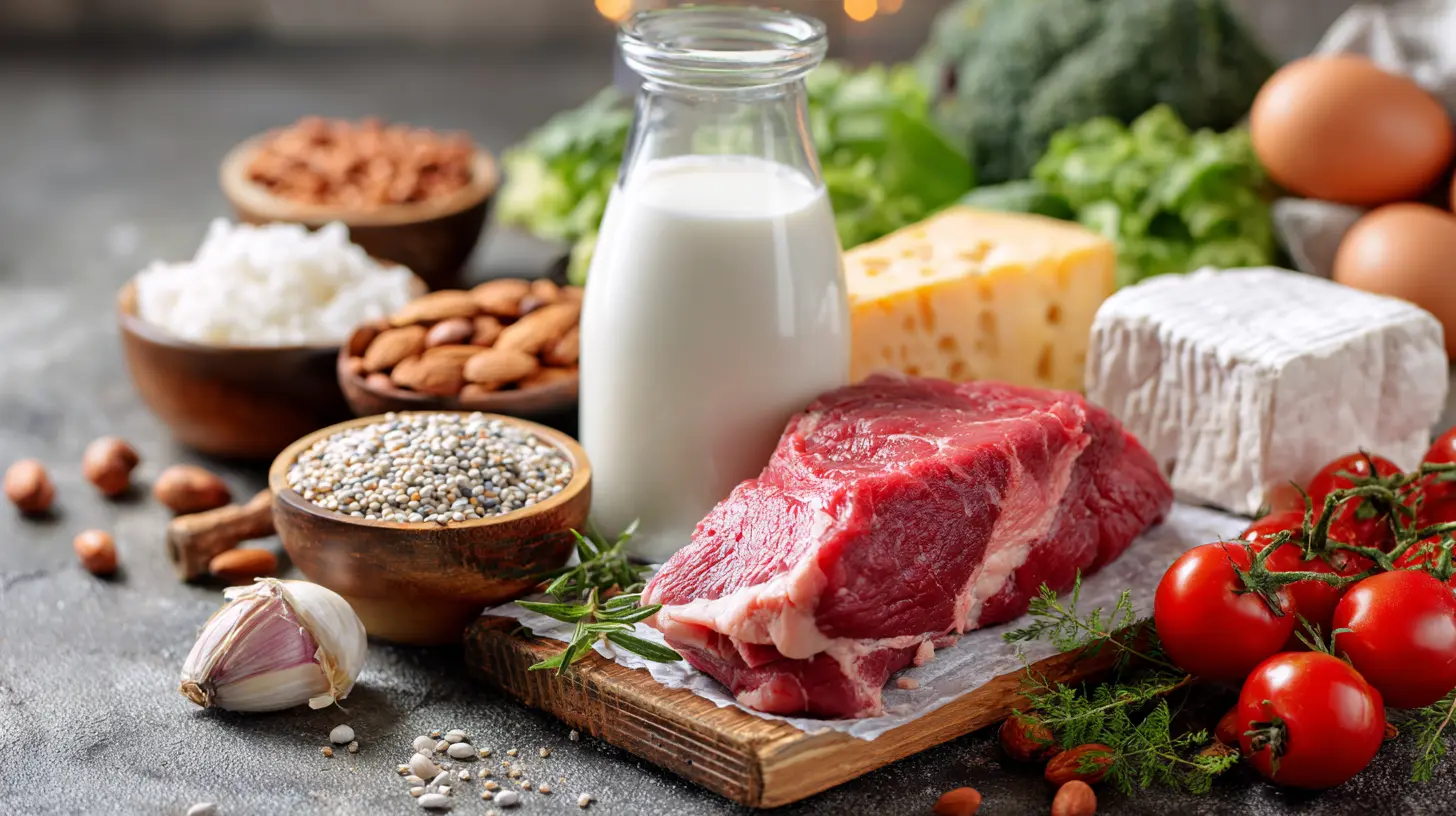
The Processed Food Factor
Here's where things get tricky—many plant-based alternatives are highly processed. Take a look at the ingredient list on a typical plant-based burger or dairy-free cheese, and you’ll find a long list of additives, stabilizers, and artificial ingredients.- Added preservatives and flavorings: Some plant-based products contain artificial ingredients to mimic the taste and texture of animal products.
- High sodium content: Many meat substitutes contain more sodium than regular meat to enhance flavor. Excessive sodium can lead to high blood pressure over time.
- Refined oils and gums: Some dairy alternatives contain refined vegetable oils and thickeners that may cause digestive discomfort or inflammation.
? Bottom Line: Just because it's plant-based doesn’t mean it’s automatically healthy. Avoid highly processed alternatives and opt for whole food-based options when possible. 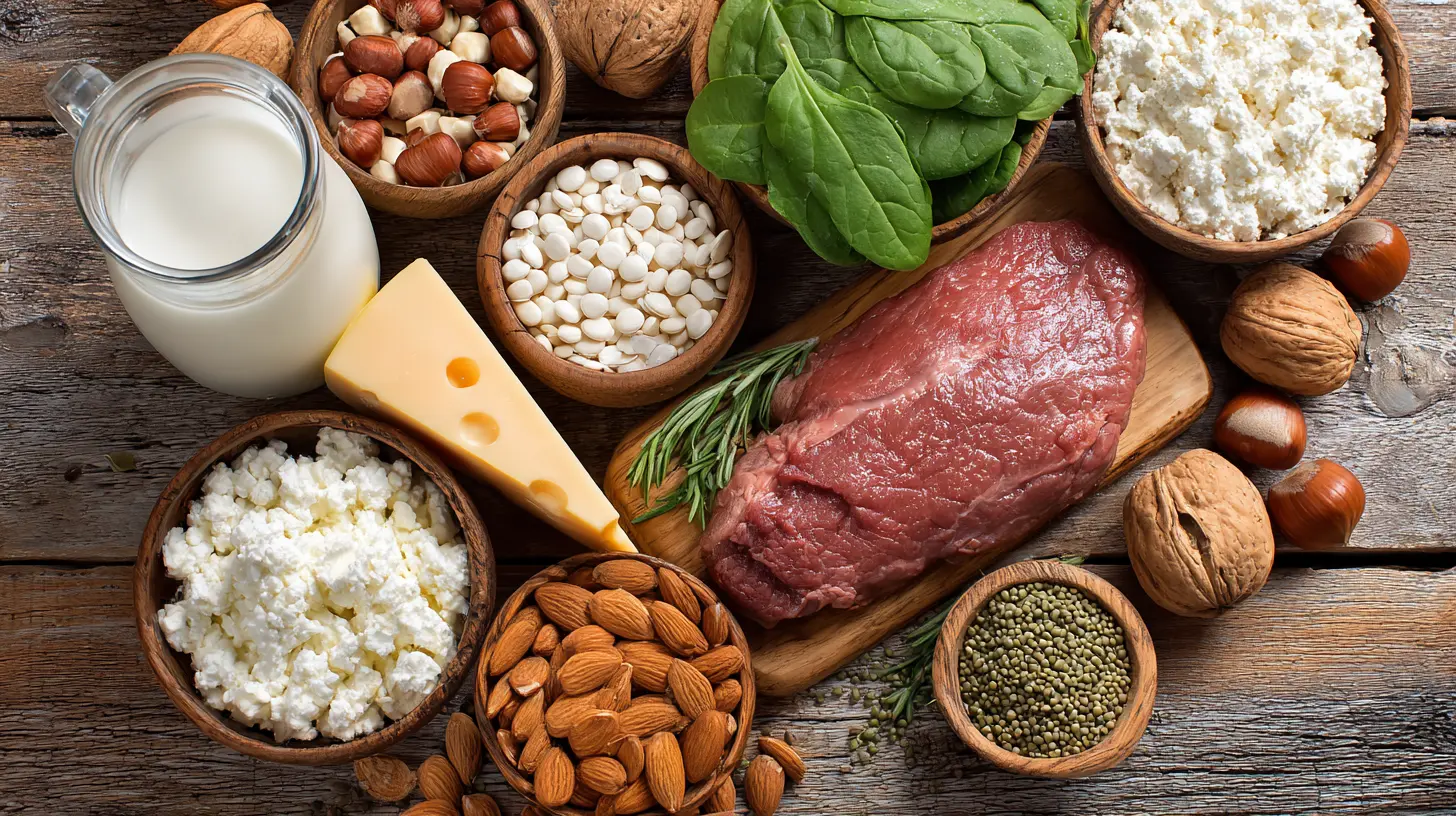
The Benefits of Going Plant-Based
Despite these concerns, plant-based alternatives can still be a healthy addition to your diet—when chosen wisely. Here are some undeniable benefits:1. Lower Risk of Chronic Diseases
Studies have linked plant-based diets to a lower risk of conditions like heart disease, diabetes, and certain cancers. Replacing red meat and processed dairy with healthier plant-based options can support long-term wellness.2. Better Digestion and Gut Health
Dairy can be difficult to digest for many people, causing bloating, gas, and discomfort. Plant-based milks, especially those made from almonds or oats, can be gentler on the digestive system.3. Environmental Impact
Reducing reliance on animal products helps lower greenhouse gas emissions, conserve water, and reduce deforestation. A plant-based diet is undeniably more sustainable for the planet.? Bottom Line: While plant-based alternatives aren’t perfect, choosing minimally processed options can support both your health and the environment.
So, Are Plant-Based Alternatives Healthier?
The truth is—not all plant-based alternatives are created equal. While they offer benefits like lower cholesterol, better digestion, and a smaller environmental footprint, they can also lack important nutrients and be highly processed.If you're making the switch, keep these golden rules in mind:
✅ Choose whole food-based alternatives (think tofu, lentils, tempeh, homemade nut milk).
✅ Look for fortified versions to ensure adequate nutrients.
✅ Keep an eye on sodium and saturated fats in processed versions.
✅ Balance your diet with a variety of plant-based proteins, veggies, and whole grains.
At the end of the day, the healthiest diet is one that includes a balance of whole, unprocessed foods, whether plant-based or not. Instead of fixating on labels, focus on what makes you feel your best. Your body knows best—listen to it!
Final Thoughts
Switching to plant-based dairy and meat alternatives can be a great way to improve your health if done right. While these substitutes can provide lower cholesterol and better digestion, they also come with potential downsides like nutrient deficiencies and processed ingredients.The key? Making informed choices. By opting for whole, minimally processed options and paying attention to labels, you can enjoy the benefits of plant-based living without compromising nutrition. So, if you're considering making the switch, do it smartly and mindfully. Your health (and the planet) will thank you!
all images in this post were generated using AI tools
Category:
Plant Based DietAuthor:

Tiffany Foster
Discussion
rate this article
2 comments
Bellamy Sharp
While plant-based alternatives offer a fresh take on health, not all are created equal. Some are packed with additives, while others lack essential nutrients. It's vital to read labels and remember that a balanced diet, whether plant or animal-based, remains key to true wellness.
June 3, 2026 at 4:29 PM
Tiffany Foster
You make a great point. It's crucial to choose wisely and focus on whole foods for a balanced diet. Labels matter.
Kennedy Smith
If plants could talk, they'd probably say, "We're just as cool as dairy and meat, minus the moo and the cluck!" So why not give them a try? Your taste buds may thank you!
May 20, 2026 at 4:32 AM
Tiffany Foster
Great point! Plants have so much to offer, and exploring plant-based options can be both delicious and healthy. I encourage everyone to give them a shot!