A Parent’s Guide to Childhood Vaccinations
21 July 2026
When your little one enters the world, their immune system is like a blank slate—fresh, new, and vulnerable. That’s where vaccines come in, acting like tiny superheroes that train the immune system to recognize and fight off dangerous diseases. But as a parent, you might have questions, concerns, or even a little anxiety about the whole vaccination process.
Are vaccines safe? Do kids really need all of them? What about side effects? If these questions have crossed your mind, you’re not alone. Let’s break it all down in a simple, no-frills guide to childhood vaccinations—because when it comes to protecting our kids, knowledge is power.

Why Vaccines Matter
Imagine sending your child out into the world without any protection—no jacket in the cold, no sunscreen in the scorching heat. That’s what skipping vaccines is like. Vaccines equip your child’s body with the tools it needs to fight off serious diseases.How Do Vaccines Work?
Vaccines work by introducing a tiny, weakened, or inactive part of a virus or bacteria into the body. This doesn’t make your child sick; instead, it helps their immune system recognize and attack these invaders in the future. Think of it like a practice round—a trial run that helps their body build defenses before facing the real enemy.When enough people in a community are vaccinated, it creates herd immunity, reducing the spread of disease and protecting those who can’t get vaccinated, like newborns or individuals with weakened immune systems.

The Childhood Vaccine Schedule
Ever looked at the vaccine schedule and felt overwhelmed? It’s a lot to take in, but there’s a reason for it. Experts design the schedule to protect kids at the most vulnerable stages of their development.Here’s a breakdown of the most essential vaccines your child will get:
Birth – 6 Months
At this stage, babies are just beginning to build their defenses. The first vaccines they receive include:- Hepatitis B (HepB) – Protects against liver infections.
- Rotavirus (RV) – Guards against severe diarrhea and dehydration.
- Diphtheria, Tetanus, and Pertussis (DTaP) – A triple defense against three deadly diseases.
- Haemophilus influenzae type B (Hib) – Prevents bacterial infections leading to meningitis.
- Pneumococcal (PCV13) – Protects against pneumonia and other serious infections.
- Polio (IPV) – Keeps this once-devastating disease at bay.
6 Months – 18 Months
At this point, boosters reinforce previous vaccines, plus a few new ones:- Flu vaccine (annually) – Because the flu changes every year, so should the protection.
- MMR (Measles, Mumps, Rubella) – Three in one, preventing serious viral infections.
- Varicella (Chickenpox) – No one likes itchy misery; this vaccine keeps chickenpox away.
- Hepatitis A (HepA) – Protects against liver disease caused by the virus.
4 – 6 Years
Before heading to school, kids get their final doses of:- DTaP, IPV, MMR, and Varicella – Strengthening their immunity for the long haul.
Pre-Teen & Teen Vaccines (11-18 Years)
Even though they’re not babies anymore, older kids still need protection:- HPV (Human Papillomavirus) – Prevents cancers linked to HPV.
- Meningococcal (MenACWY & MenB) – Helps prevent bacterial meningitis.
- Tdap Booster – Keeps tetanus, diphtheria, and pertussis in check.
Are Vaccines Safe?
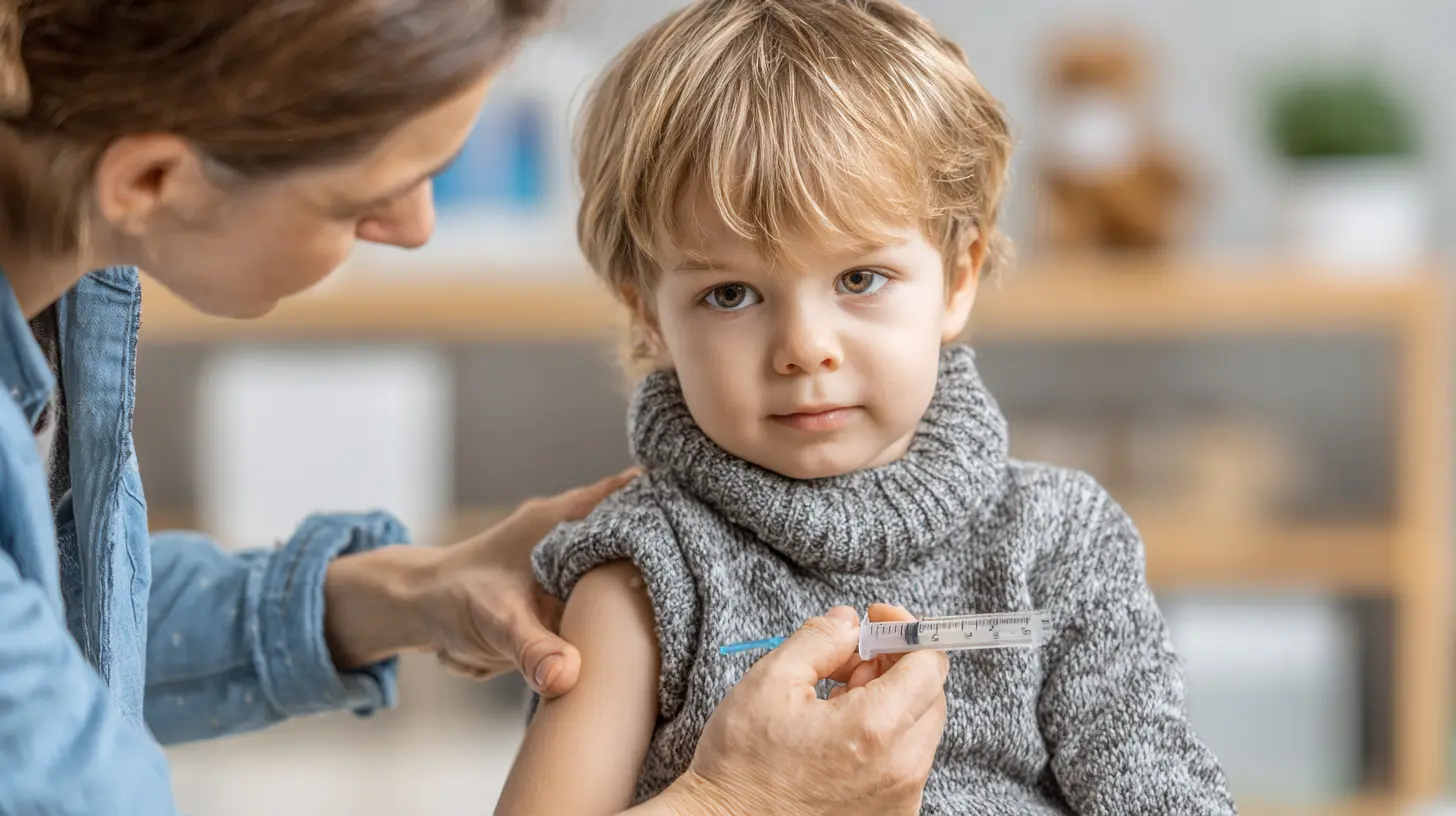
This is one of the biggest concerns among parents, and rightfully so. You want the best for your child, and safety is always a top priority.Here’s the deal—vaccines undergo rigorous testing before they’re ever given to the public. They are reviewed by scientists, doctors, and health organizations like the CDC and WHO. Side effects, if any, are usually mild—think soreness, low fever, or fussiness for a day. Serious side effects are extremely rare, and the risks of skipping vaccines far outweigh any potential risks.
Common Vaccine Myths—Busted
Let’s tackle a few common myths that often cause parents to hesitate:1. "Vaccines Cause Autism"
This myth started with a now-debunked study from the ‘90s. Numerous studies have since proven there is no link between vaccines and autism. The real causes of autism are still being studied, but vaccines are not one of them.2. "Natural Immunity Is Better"
Yes, when you recover from an illness, your immune system learns how to fight it off. But catching diseases like measles or pertussis can be dangerous and even deadly. Vaccines give protection without putting a child at risk.3. "Too Many Vaccines Overload the Immune System"
Babies encounter thousands of germs every day just by crawling, touching things, and putting objects in their mouths. The small amount in vaccines is nothing compared to what their immune system already handles daily.What About Side Effects?
Most vaccines cause mild effects like soreness at the injection site or a slight fever—signs that the immune system is doing its job. Severe reactions are rare, but if you ever notice anything unusual, contact your doctor right away.
Hesitant About Vaccines? Here’s What You Can Do
If you’re still on the fence, that’s okay—it’s natural to have concerns. Here’s how to get the most trustworthy information:1. Talk to Your Pediatrician
Your child’s doctor is the best person to answer your specific concerns. They can explain the risks and benefits based on science, not fear.2. Stick to Reliable Sources
Look for information from the CDC, WHO, and the American Academy of Pediatrics—not social media posts or conspiracy theories.3. Connect With Other Parents
Sometimes, hearing from other parents who’ve gone through the same worries can be reassuring. Parenthood is a team sport!Final Thoughts
At the end of the day, childhood vaccinations aren’t just about individual protection—they’re about safeguarding entire communities. When you vaccinate your child, you’re giving them the best chance at a healthy, disease-free life.Parenting comes with a million decisions, and this one is crucial. Understanding the science behind vaccines can help ease fears and give you confidence in your choice. So, when it’s time for that next doctor’s visit, you’ll know you’re doing something amazing—arming your child with lifelong protection.
all images in this post were generated using AI tools
Category:
Childrens HealthAuthor:

Tiffany Foster